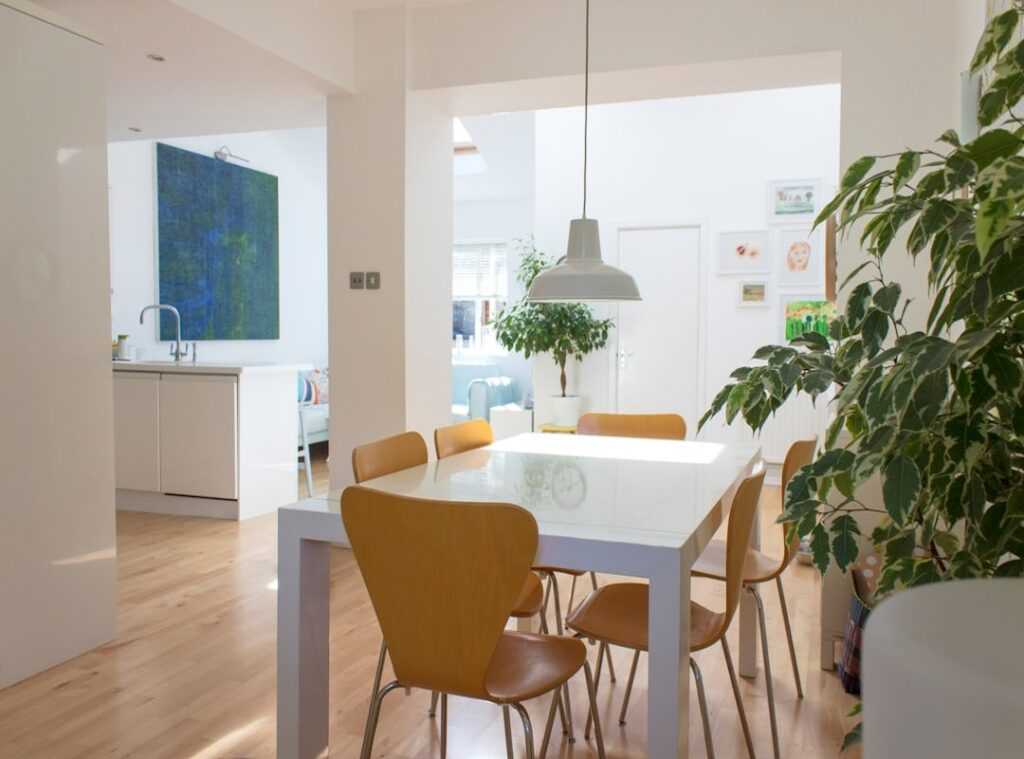
Scrolling through gorgeous home photos, wondering why your space feels flat? You’re not alone. Many homes lack depth and warmth.
Not because of color, but due to missing texture. Trust me, I’ve spent years transforming spaces, and I’ve seen firsthand how texture is the secret sauce that designers use to turn a house into a home.
You want your space to be inviting, right? texture home interiors come into play. Texture adds personality and coziness. It’s like giving your home a warm hug.
In this guide, we’re going to break down how to add texture without overthinking it. No need to worry about a list of materials. I promise you’ll leave with a simple, actionable system for layering textures.
Ready to make your home fabulous? !
Why Your Home’s Begging for Texture (Not Just Looks)
When I walk into a room, it’s not just about the visuals. It’s about how a space feels. Texture home interiors go beyond what meets the eye. Texture is like a secret ingredient that brings comfort and depth.
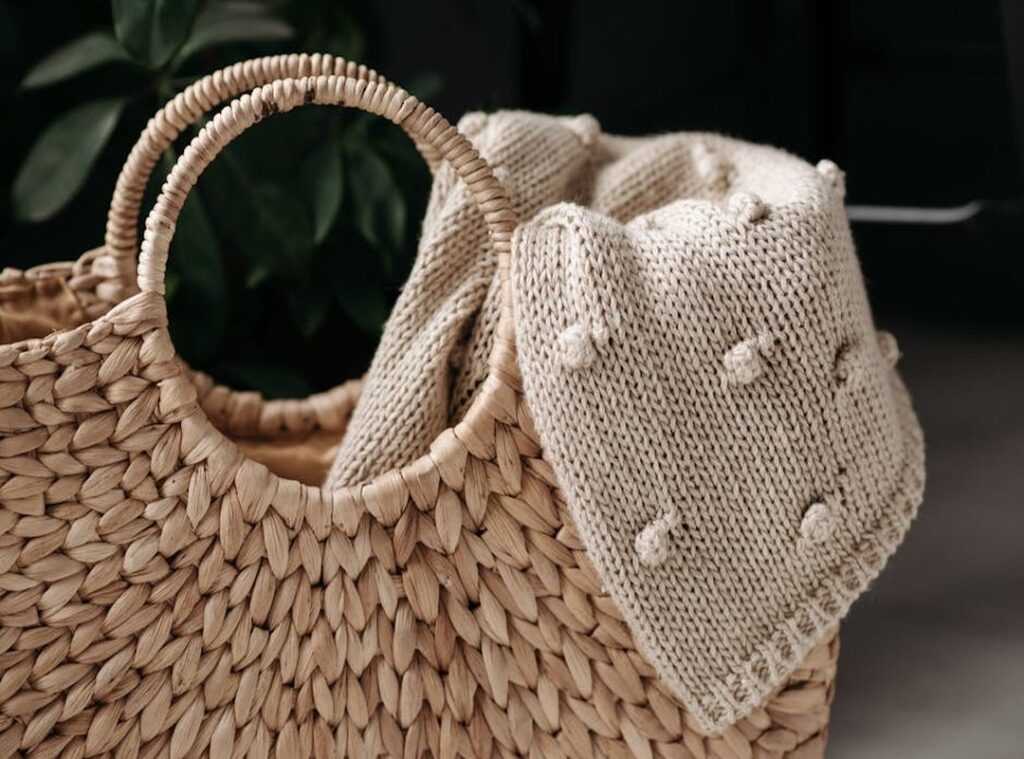
Have you ever touched a chunky knit blanket? Soft textures like that wrap you in a hug, making you feel safe and cozy. Natural textures, like wood and stone, ground us.
They remind us of the outside world, which we all need more of these days.
Think of a room without texture as a painting with no shadows. Technically, it’s all there, but where’s the emotion? It’s flat, lifeless.
You don’t want your home to feel like a showroom, do you? Textures give a space its soul. It’s what makes a room feel personal, lived-in, and full of stories.
And there’s more. Texture affects light and sound. A plush rug doesn’t just look good.
It softens echoes, making a space quieter. Ever noticed how some rooms just feel loud? That’s often the culprit.
For those diving into design, consider incorporating art deco elements space. It’s another way to add flavor and richness to your interiors.
So, next time you’re redecorating, think about how you can mix textures. Don’t settle for flat. Give your home the depth it deserves.
Texture Toolkit: Your Home’s Secret Weapon
When it comes to creating a cozy home environment, texture is everything. It’s not just about what you see, but what you feel. Let’s talk about building a toolkit of textures for your space.
We’ll dive into the essentials you need to know.
Soft & Cozy materials are your best friends when you’re looking to create comfort. Think boucle, shearling, velvet, and those chunky knits that are practically begging to be touched. Throw these onto your sofas or chairs, and suddenly, you’ve got a corner that feels like a warm hug. Who doesn’t want that? Pillows and throws in these materials make excellent additions, turning any cold room into a cozy retreat.
For a more Natural & Grounding vibe, you’ve got jute, rattan, wicker, and linen. These materials speak the language of nature. They bring an organic, laid-back feeling into your home.
They’re perfect for rugs, baskets, and even light fixtures. It’s all about creating an atmosphere that’s effortless, yet grounded. You might feel like you’re walking through a serene oasis.
Now, let’s not forget Sleek & Modern textures like marble, glass, and polished metal. These elements are all about contrast. They add sophistication and a crisp edge to any room.
With smooth surfaces, they provide that modern touch that says you’ve got style and taste. They make everything look just a bit more intentional. Like you’ve planned every detail (because you probably have).
Finally, there’s a world of Rough & Rustic. Think reclaimed wood, concrete, and aged leather. These materials tell a story.
They add character and history, giving your home depth and a grounding weight. It’s like having a piece of history right in your living room. Check out what textures interior styling & design has to offer for more inspiration.
So, when you’re thinking about texture home interiors, remember: it’s not just a detail. It’s THE detail. A well-chosen texture can transform your space from flat to fabulous, instantly.
Consider it your secret weapon in home design.
The 3-Layer Rule: Textures Without the Chaos
Ever look at a room and wonder why it feels so cozy or cohesive? It’s all about texture, my friend. Welcome to the 3-Layer Rule.
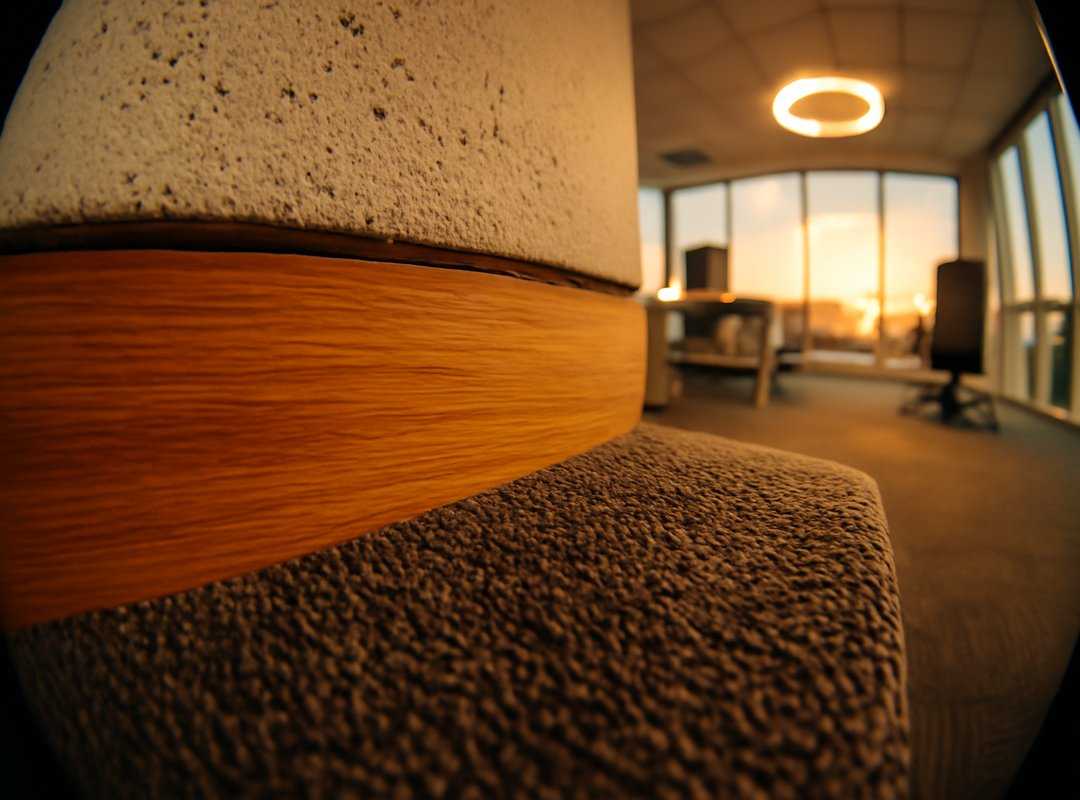
This isn’t just another trick; it’s the game-changer for anyone (like you and me) wanting to master texture in home interiors.
Layer 1 is your foundation. Think big surfaces like your sofa, wall finish, or area rug. These are your anchors, setting the dominant texture tone.
Imagine a limewash wall paired with a plush, neutral sofa. That’s your base. It’s where the room’s texture story begins.
Layer 2 is about the mid-ground. Functional pieces come in here. Curtains, accent chairs, coffee tables.
Linen curtains add a breezy feel; velvet makes it luxe. Leather chairs offer sophistication, while boucle screams “touch me.” The key is contrast or complement. Too much of one and your room falls flat.
Layer 3 is where you can let loose. Think throw pillows, vases, trays, plants. Go wild with weaves and ceramics.
This is your playground. These little touches can transform the vibe. A wool pillow, a ceramic vase, a pop of greenery.
Suddenly, your space sings.
Let’s break it down with an example. Start with that limewash wall and neutral sofa. Add a leather chair for depth, maybe a marble coffee table for elegance.
Finally, finish with a mix of wool pillows, a ceramic vase, and a few plants. Voilà! You’ve got a living room that’s not just a space but an experience.
Want to take it further? Consider how textures can create a Creating Zen Atmosphere Minimal Decor. Imagine a space that feels both sophisticated and serene.
That’s the power of using texture the right way.
Easy Texture Pairings: No Fail Match-Ups
Feeling lost in the maze of “texture home interiors”? I’ve got your back. to some foolproof pairings, starting with the Classic Combo: Smooth & Rough. Why does it work?
Picture this: a smooth leather sofa with a rough-woven wool pillow. It’s like a classic movie duo (think Batman and Robin).
Next up, the Classic Combo: Natural & Soft. This pairing creates a serene balance. Imagine your feet on a jute rug while lounging in a soft, upholstered armchair.
It’s the peace we crave after a long day. You can almost hear the sigh of relief.
Feeling bold? Try Shiny & Matte for a modern punch. A matte black coffee table paired with a shiny brass object adds drama, like a Hollywood twist that keeps things interesting.
Who doesn’t want a little showbiz in their living room?
Pro tip: the ‘Rule of Three’. When in doubt, toss in three distinct textures. It’s magic for visual interest.
Ever noticed how a movie looks more lively with a busy scene? Same goes for interiors. Mix it up and see what feels right for you.
Keep experimenting, because fear of mistakes is your worst enemy.
Transform Your Space with Textures
Ever felt your home looks good but lacks soul? It’s like a magazine photo, perfect but lifeless. The fix?
Layering textures. It’s not magic; it’s common sense. The texture home interiors approach brings depth and warmth.
Remember the ‘3-Layer Rule’ I mentioned? That’s your guide now. Start small.
Pick a room. Add a linen pillow or a ceramic vase this week. Feel the change.
It’s simple, yet solid. Stop overthinking and start doing. You deserve a home that reflects your personality.
Check out kdarchistyle.net for more takeaways. Ready to make your home feel like you? Dive in!
 Founder & Creative Director
Fendric Thorvale has opinions about unique finds. Informed ones, backed by real experience — but opinions nonetheless, and they doesn't try to disguise them as neutral observation. They thinks a lot of what gets written about Unique Finds, Lifestyle Decor Inspirations, KD-Inspired Architectural Layouts is either too cautious to be useful or too confident to be credible, and they's work tends to sit deliberately in the space between those two failure modes.
Reading Fendric's pieces, you get the sense of someone who has thought about this stuff seriously and arrived at actual conclusions — not just collected a range of perspectives and declined to pick one. That can be uncomfortable when they lands on something you disagree with. It's also why the writing is worth engaging with. Fendric isn't interested in telling people what they want to hear. They is interested in telling them what they actually thinks, with enough reasoning behind it that you can push back if you want to. That kind of intellectual honesty is rarer than it should be.
What Fendric is best at is the moment when a familiar topic reveals something unexpected — when the conventional wisdom turns out to be slightly off, or when a small shift in framing changes everything. They finds those moments consistently, which is why they's work tends to generate real discussion rather than just passive agreement.
Founder & Creative Director
Fendric Thorvale has opinions about unique finds. Informed ones, backed by real experience — but opinions nonetheless, and they doesn't try to disguise them as neutral observation. They thinks a lot of what gets written about Unique Finds, Lifestyle Decor Inspirations, KD-Inspired Architectural Layouts is either too cautious to be useful or too confident to be credible, and they's work tends to sit deliberately in the space between those two failure modes.
Reading Fendric's pieces, you get the sense of someone who has thought about this stuff seriously and arrived at actual conclusions — not just collected a range of perspectives and declined to pick one. That can be uncomfortable when they lands on something you disagree with. It's also why the writing is worth engaging with. Fendric isn't interested in telling people what they want to hear. They is interested in telling them what they actually thinks, with enough reasoning behind it that you can push back if you want to. That kind of intellectual honesty is rarer than it should be.
What Fendric is best at is the moment when a familiar topic reveals something unexpected — when the conventional wisdom turns out to be slightly off, or when a small shift in framing changes everything. They finds those moments consistently, which is why they's work tends to generate real discussion rather than just passive agreement.