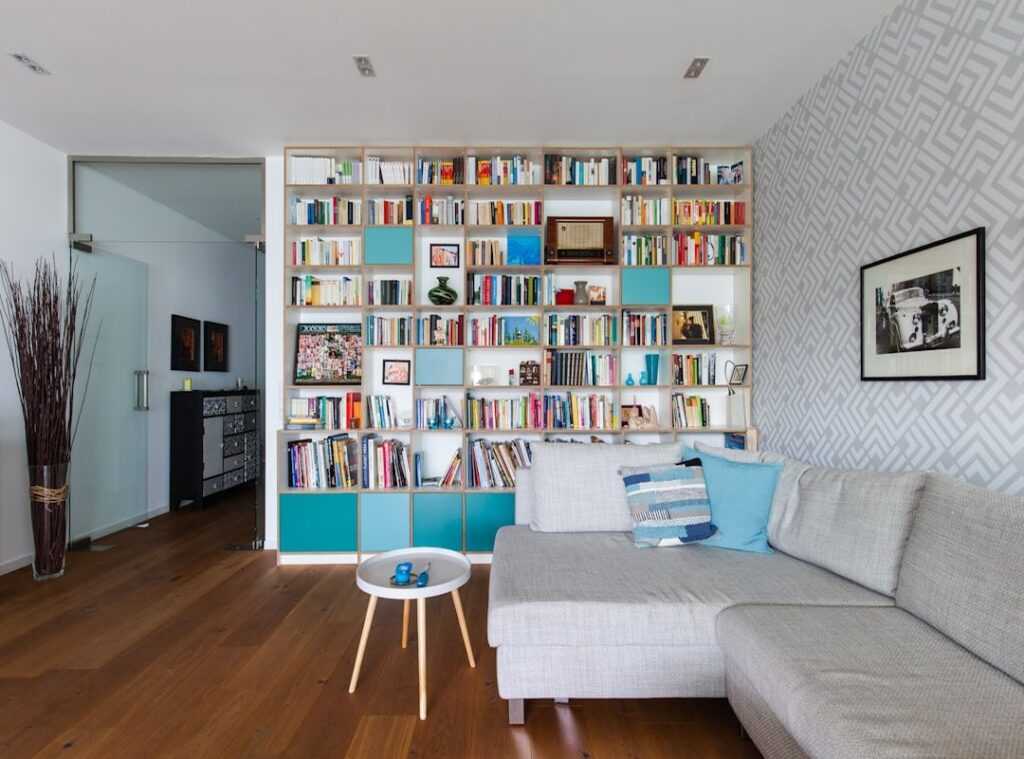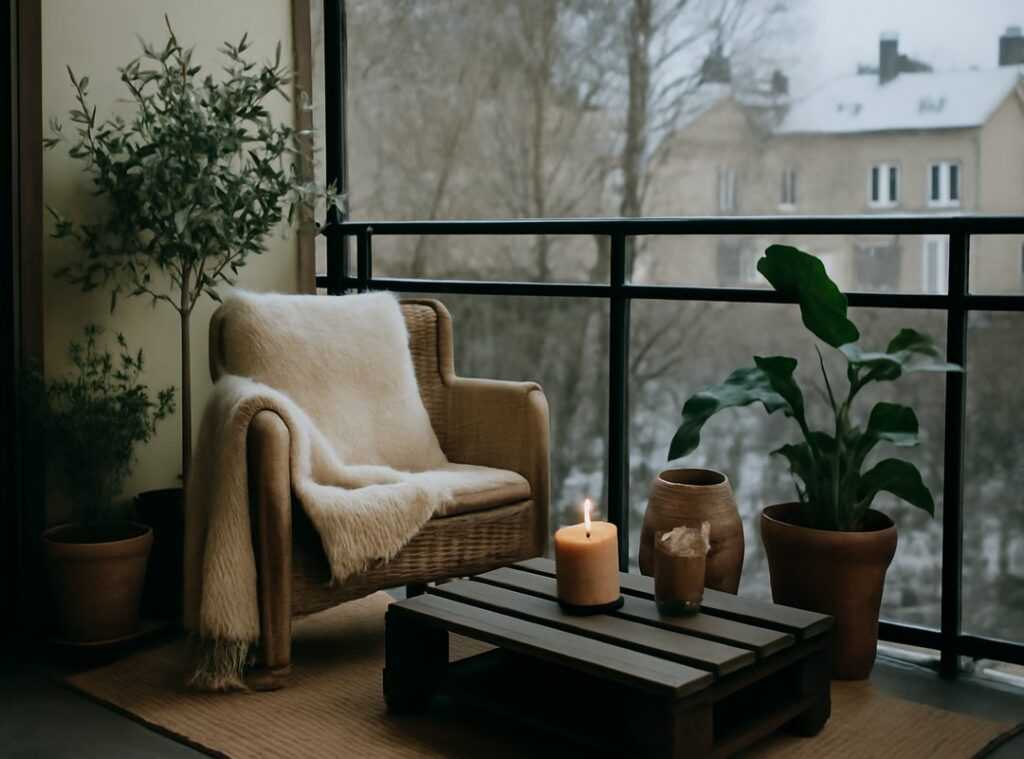

Creating a home that feels both beautiful and functional is no longer a luxury—it’s an expectation. If you’re searching for fresh interior design concepts, lifestyle décor inspiration, or practical ways to elevate your space, this article is designed to guide you step by step. From KD-inspired architectural layouts to smart home styling tips, we focus on ideas that are visually compelling and realistically achievable.
Many homeowners struggle to bring together aesthetics and everyday comfort. The challenge isn’t finding inspiration—it’s knowing how to apply it in a way that creates a balanced home environment that supports your lifestyle. Here, you’ll discover thoughtfully curated design approaches, layout strategies that enhance flow and functionality, and décor insights that blend trend with timeless appeal.
Our guidance draws from proven interior styling principles, spatial design expertise, and carefully analyzed architectural concepts to ensure every recommendation is both practical and refined. Whether you’re refreshing a single room or reimagining your entire living space, this article will help you transform ideas into a cohesive, welcoming home.
The Breath of Fresh Air: Mastering Light and Air Quality
I remember walking into my first dim apartment and feeling instantly drained (even after two coffees). The windows were small, the walls were beige-gray, and the air felt stale. That experience taught me how deeply light and air shape mood, focus, and comfort.
Maximizing Natural Light starts with simple shifts. Sheer curtains diffuse sunlight without blocking it, while mirrors placed opposite windows reflect light deeper into a room. Light paint colors—think soft whites or warm neutrals—bounce illumination instead of absorbing it. (Pro tip: choose finishes with a slight eggshell sheen to enhance reflection.) These changes can make even compact spaces feel expansive.
Layering Artificial Light is where design becomes intentional. Ambient lighting provides overall illumination (like ceiling fixtures). Task lighting focuses on activities—reading lamps or under-cabinet lights. Accent lighting highlights features such as artwork or textured walls. Together, they create flexibility from productive mornings to relaxed evenings. Think of it as building a lighting playlist that adapts throughout the day.
Improving Indoor Air Quality completes a balanced home environment. Snake Plants and Spider Plants are known for filtering certain indoor pollutants (NASA Clean Air Study). HEPA filters—high-efficiency particulate air filters that trap fine particles—reduce dust and allergens. Switching to non-toxic cleaning products minimizes volatile organic compounds (VOCs), chemicals that off-gas into indoor air.
Light brightens. Clean air restores. And together, they quietly transform how a home feels every single day.
The Architecture of Flow: Designing for Effortless Living
Great design isn’t about filling a room; it’s about directing energy. Think of your layout as a map. Zones (clearly defined areas for specific activities) reduce decision fatigue, while pathways (unobstructed routes between zones) minimize what designers call “mental friction.” A reading nook tucked by a window versus a reading chair floating in a walkway: A feels intentional, B feels accidental. One invites calm; the other invites toe-stubbing (and regret).
Compare open-plan chaos to purposeful zoning. In Scenario A, the sofa faces everywhere and nowhere. In Scenario B, seating subtly frames a conversation circle, with a clear path to the kitchen. The difference? A balanced home environment that supports movement instead of interrupting it.
The Power of Furniture Placement lies in scale and proximity. Oversized sectionals in compact rooms dominate; appropriately scaled loveseats paired with accent chairs create intimacy. Place seats within 8 feet of each other to encourage conversation (design studies show closer seating increases interaction frequency, Hall, 1966). Pro tip: float furniture slightly off walls to avoid a “waiting room” effect.
KD-inspired layouts emphasize rugs as anchors. A rug defines territory; without it, furniture drifts visually. Equally vital is negative space—intentional emptiness that prevents visual overload. Compare a crowded room to one with breathing room. One feels frantic; the other feels curated (think less storage unit, more art gallery).
For more layout inspiration, explore design principles.
A Symphony of Senses: Using Color and Texture for Harmony

Color is more than decoration; it’s emotional architecture. The psychology of color shows that hues influence mood and behavior (Kaya & Epps, 2004). For instance, blues and soft greens are linked to calmness and lower stress levels—perfect for bedrooms where rest is the goal. Earthy tones like warm taupe or clay create grounding comfort (think spa retreat, not sterile showroom). On the other hand, energizing shades like mustard, coral, or bright teal can spark creativity in studios or home offices—like giving your walls a double espresso.
So what’s in it for you? A thoughtfully chosen palette helps you:
- Feel more relaxed or focused, depending on the room’s purpose
- Create visual flow from one space to another
- Design a more balanced home environment that supports daily life
To keep everything cohesive, try the 60-30-10 rule—a simple framework designers swear by. Use 60% as your dominant color (walls), 30% as a secondary tone (furniture), and 10% as an accent (pillows or art). This balance prevents color overload while still adding personality.
However, some argue neutral spaces are safer and more timeless. True—but without texture, even the chicest palette can fall flat. Mixing wood, linen, velvet, or stone adds sensory richness and warmth. Texture creates depth, making a room feel curated rather than catalog-perfect.
If you’re working with limited square footage, explore small space living smart ideas to maximize every room for even more harmony-enhancing strategies.
Curated Calm: The Art of Intentional Organization
First, rethink decluttering. Instead of tossing items at random, curate your space. Ask: Does this serve a purpose or spark genuine joy? If not, thank it and let it go. Then apply the “one in, one out” rule—when a new item enters, another leaves. This simple habit prevents buildup over time.
Next, create a home for everything. Use vertical shelving, under-bed bins, and multi-functional furniture like ottomans with storage. Concealed baskets reduce visual noise and support a balanced home environment.
Finally, personalize with structure. Design a gallery wall with matching frames, or dedicate one shelf for rotating photos and art. In other words, edit your displays regularly to keep personality without chaos. Small tweaks make lasting impact daily.
Create Your Balanced, Beautiful Space Today
You came here looking for clarity on how to design a home that feels cohesive, functional, and inspiring. Now you have the ideas, layout strategies, and styling direction to move forward with confidence.
A thoughtfully planned space isn’t just about aesthetics—it’s about creating a balanced home environment that supports your daily routines and reflects your personality. When rooms feel disconnected, cluttered, or uninspired, it impacts your focus, comfort, and overall well-being. You don’t have to settle for a home that feels “almost right.”
Start by choosing one room and applying the principles you’ve just learned—refine the layout, adjust lighting, layer textures, and edit unnecessary decor. Small, intentional updates create powerful transformations.
If you’re ready to eliminate design guesswork and finally achieve a polished, harmonious space, explore more expert-backed styling guides and architectural inspirations today. Join thousands of decor enthusiasts who are already transforming their homes with proven, practical design insights—start your next room refresh now.
 Architectural Layout & Styling Consultant
There is a specific skill involved in explaining something clearly — one that is completely separate from actually knowing the subject. Charles Townsendenios has both. They has spent years working with practical home styling tips in a hands-on capacity, and an equal amount of time figuring out how to translate that experience into writing that people with different backgrounds can actually absorb and use.
Charles tends to approach complex subjects — Practical Home Styling Tips, Home Living Highlights, Unique Finds being good examples — by starting with what the reader already knows, then building outward from there rather than dropping them in the deep end. It sounds like a small thing. In practice it makes a significant difference in whether someone finishes the article or abandons it halfway through. They is also good at knowing when to stop — a surprisingly underrated skill. Some writers bury useful information under so many caveats and qualifications that the point disappears. Charles knows where the point is and gets there without too many detours.
The practical effect of all this is that people who read Charles's work tend to come away actually capable of doing something with it. Not just vaguely informed — actually capable. For a writer working in practical home styling tips, that is probably the best possible outcome, and it's the standard Charles holds they's own work to.
Architectural Layout & Styling Consultant
There is a specific skill involved in explaining something clearly — one that is completely separate from actually knowing the subject. Charles Townsendenios has both. They has spent years working with practical home styling tips in a hands-on capacity, and an equal amount of time figuring out how to translate that experience into writing that people with different backgrounds can actually absorb and use.
Charles tends to approach complex subjects — Practical Home Styling Tips, Home Living Highlights, Unique Finds being good examples — by starting with what the reader already knows, then building outward from there rather than dropping them in the deep end. It sounds like a small thing. In practice it makes a significant difference in whether someone finishes the article or abandons it halfway through. They is also good at knowing when to stop — a surprisingly underrated skill. Some writers bury useful information under so many caveats and qualifications that the point disappears. Charles knows where the point is and gets there without too many detours.
The practical effect of all this is that people who read Charles's work tend to come away actually capable of doing something with it. Not just vaguely informed — actually capable. For a writer working in practical home styling tips, that is probably the best possible outcome, and it's the standard Charles holds they's own work to.