
If you’re searching for fresh inspiration to transform your home, you’re likely looking for ideas that are both beautiful and practical. This article is designed to deliver exactly that—thoughtfully curated interior design concepts, lifestyle decor inspirations, and smart architectural layouts that elevate everyday living. Whether you’re refreshing a single room or reimagining your entire space, you’ll find guidance that blends style with functionality.
We’ve analyzed emerging design trends, studied timeless styling principles, and referenced insights from experienced interior designers to ensure every recommendation is both inspiring and achievable. From statement pieces that anchor a room to clever small space living ideas that maximize every square foot, this guide focuses on solutions that work in real homes.
By the end, you’ll have clear, actionable ideas to create a space that reflects your personality while remaining comfortable, efficient, and effortlessly stylish.
Reclaiming Your Space: A New Philosophy for Small Living
To truly maximize every room in your small space, consider how the right lighting can enhance functionality and ambiance, making even the coziest corners feel more inviting—just as we explore in our article on choosing the perfect lighting for every room in your home – for more details, check out our Choosing the Right Lighting for Every Room in Your Home.
Cramped rooms don’t fail you; spatial strategy does. Think function-first design versus furniture-first decorating. The former treats “circulation paths” (the invisible walkways you move through) as sacred; the latter crams in pieces and hopes for magic.
For example, a wall-mounted desk plus vertical shelving opens floor area, whereas a bulky executive desk swallows it. Likewise, light-reflective paint expands perception more than dark statement walls.
Some argue maximalism adds personality. True—but intentional editing creates calm and control. Pro tip: measure sightlines before buying. These small space living ideas prioritize flow over filler.
The Power of Smart Furniture: Your First Line of Defense
“Your space isn’t small,” a designer once told a frustrated client. “Your furniture just isn’t pulling its weight.” That single sentence reframes everything.
Embrace Multi-Functionality
Smart furniture earns its footprint. An ottoman bed, for example, functions as seating by day and concealed storage by night. Expandable dining tables shift from cozy weeknight dinners to hosting six guests without demanding permanent square footage. Coffee tables with hidden compartments swallow remotes, blankets, even board games (goodbye, visual clutter).
Some critics argue that multi-purpose pieces feel gimmicky or less durable. Fair point—cheap mechanisms fail. But well-built transformable furniture is engineered for repeated use, much like a sofa bed in a boutique hotel. The key is quality hardware and smooth transitions. Pro tip: test hinges and extension tracks in-store; if they wobble, walk away.
Think Vertically: The Untapped Real Estate
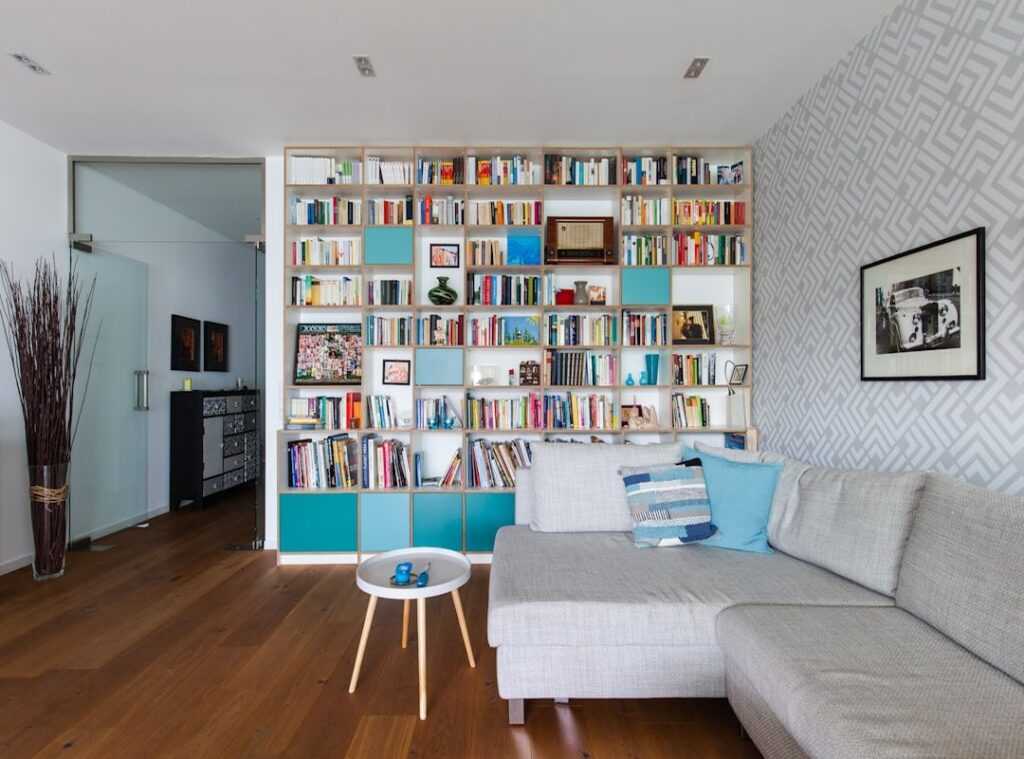
“I never thought to look up,” a homeowner admitted during a consult. Walls are prime real estate. Tall, narrow bookcases and ladder shelves guide the eye upward, making ceilings appear higher. Wall-mounted units free floor space, which instantly improves circulation. Designers often call this creating “visual lift”—the illusion of airiness through vertical emphasis.
Choose ‘Lightweight’ Pieces
Visually lightweight furniture doesn’t mean fragile. It refers to pieces with slender legs (hello, mid-century modern), acrylic ghost chairs, or glass waterfall tables that allow light to pass through. Because you can see more floor, the room feels open. It’s a subtle optical trick—like stage design for everyday living.
In the world of small space living ideas, smart furniture isn’t optional. It’s strategy.
Creating the Illusion of Depth: Visual Tricks That Work
I once moved into a studio apartment that felt more like a hallway than a home. The bed nearly touched the opposite wall. At first, I thought I needed less furniture. Instead, I needed better visual strategy.
Strategic Mirror Placement changed everything. Not just “hang a mirror,” but place it opposite a window so it reflects natural light and doubles the perceived brightness. Light reflection, in design terms, increases visual volume (the sense of spatial openness). In my apartment, a tall floor mirror leaned against the narrowest wall created a false corridor effect—suddenly the room felt like it continued beyond its limits. Some people argue mirrors are overused or cliché. Fair. But when positioned intentionally, they’re architectural illusions, not decoration.
Next, I tested the Monochromatic Color Palette approach. Instead of mixing bold contrasts, I layered soft whites, warm beiges, and pale gray textiles. By minimizing sharp color transitions (visual boundaries that define edges), the walls seemed to blur outward. Critics say all-light rooms feel sterile. They can—unless you vary texture: linen curtains, matte paint, plush rugs. The sameness creates flow; the textures create warmth.
Finally, Layered Lighting is Key. Ambient lighting (ceiling fixtures) sets overall brightness. Task lighting (reading lamps) supports function. Accent lighting (picture lights) highlights features. When I added all three, shadows softened and corners disappeared. A well-lit room feels larger because dark voids shrink perception.
If you’re experimenting, start small—Use small space living ideas in the section once exactly as it is given—and observe how light and color shift your space. Pro tip: dimmers give you flexibility without adding clutter.
The Art of Strategic Organization: A Place for Everything

Clutter rarely happens overnight. It creeps in—one impulse buy, one “I’ll deal with it later” pile at a time. That’s where the One In, One Out rule comes in. The concept is simple: for every new item you bring home, one existing item must leave. It creates a natural boundary against accumulation (and yes, that includes throw pillows).
Weekend Decluttering Plan:
- Start with one room.
- Remove obvious trash or broken items.
- Sort remaining items into keep, donate, relocate.
- Assign a clear “home” for everything you keep.
- Finish by applying the One In, One Out rule moving forward.
If you think strict rules feel limiting, that’s fair. But structure actually creates freedom—less time searching, more time living.
Next, look for hidden storage. Under-bed containers are perfect for seasonal clothing. Over-the-door organizers maximize vertical space in closets or pantries. Decorative boxes on shelves conceal cords, paperwork, or small electronics (visual calm matters).
Finally, create intentional zones. Use rugs to define a reading nook, group furniture to frame a workspace, or add a contrasting paint color to signal function. This approach pairs beautifully with small space living ideas and even complements insights from the rise of multi functional furniture in contemporary homes.
Organization isn’t about perfection—it’s about purpose.
Advanced Layouts: Thinking Like a Designer
Floating furniture is magic. When desks, nightstands, or media consoles are wall-mounted, the exposed floor tricks the eye into reading the room as bigger. I swear by this approach; it’s one of my favorite small space living ideas because visible flooring equals visual breathing room (yes, it’s that simple).
However, layout isn’t just about illusion. Traffic flow matters. Leave 30–36 inches for main walkways so movement feels natural, not like squeezing past airplane seats. In my opinion, if you can glide through a room without sidestepping, you’ve nailed it. Clutter kills good design fast.
Your blueprint for a larger-feeling home starts with action. First, choose one focus: furniture, color, or decluttering. For example, swap a bulky sofa for a raised-leg loveseat so light flows underneath (yes, those inches matter). Next, paint adjoining walls and trim the same soft hue to reduce visual breaks; designers call this color continuity, a technique backed by studies on spatial perception (University of Minnesota). Finally, edit surfaces: clear countertops, corral cords, and use baskets to zone clutter. Although some argue square footage rules, smart small space living ideas prove layout trumps size. Pro tip: schedule a 20-minute weekly reset.
Bring Your Space to Life
You came here looking for practical ways to transform your home with style, function, and personality. Now you have design direction you can actually use — from layout adjustments to decor layering and small space living ideas that make every square foot count.
The frustration of cramped rooms, awkward layouts, or uninspired decor doesn’t have to define your home any longer. With the right architectural flow and intentional styling choices, even the most compact or outdated space can feel open, balanced, and beautifully curated.
The key is action. Start by choosing one room that feels the most challenging. Rework the layout, simplify the color palette, and introduce purposeful design elements that maximize space and light. Small, strategic updates create powerful visual impact.
If you’re ready to stop feeling limited by your space and start living in a home that reflects your vision, explore more expert-backed design inspirations and practical styling guides today. Join thousands of design enthusiasts who are already elevating their homes with proven, space-smart concepts — and take the first step toward a home that truly works for you.
 Founder & Creative Director
Fendric Thorvale has opinions about unique finds. Informed ones, backed by real experience — but opinions nonetheless, and they doesn't try to disguise them as neutral observation. They thinks a lot of what gets written about Unique Finds, Lifestyle Decor Inspirations, KD-Inspired Architectural Layouts is either too cautious to be useful or too confident to be credible, and they's work tends to sit deliberately in the space between those two failure modes.
Reading Fendric's pieces, you get the sense of someone who has thought about this stuff seriously and arrived at actual conclusions — not just collected a range of perspectives and declined to pick one. That can be uncomfortable when they lands on something you disagree with. It's also why the writing is worth engaging with. Fendric isn't interested in telling people what they want to hear. They is interested in telling them what they actually thinks, with enough reasoning behind it that you can push back if you want to. That kind of intellectual honesty is rarer than it should be.
What Fendric is best at is the moment when a familiar topic reveals something unexpected — when the conventional wisdom turns out to be slightly off, or when a small shift in framing changes everything. They finds those moments consistently, which is why they's work tends to generate real discussion rather than just passive agreement.
Founder & Creative Director
Fendric Thorvale has opinions about unique finds. Informed ones, backed by real experience — but opinions nonetheless, and they doesn't try to disguise them as neutral observation. They thinks a lot of what gets written about Unique Finds, Lifestyle Decor Inspirations, KD-Inspired Architectural Layouts is either too cautious to be useful or too confident to be credible, and they's work tends to sit deliberately in the space between those two failure modes.
Reading Fendric's pieces, you get the sense of someone who has thought about this stuff seriously and arrived at actual conclusions — not just collected a range of perspectives and declined to pick one. That can be uncomfortable when they lands on something you disagree with. It's also why the writing is worth engaging with. Fendric isn't interested in telling people what they want to hear. They is interested in telling them what they actually thinks, with enough reasoning behind it that you can push back if you want to. That kind of intellectual honesty is rarer than it should be.
What Fendric is best at is the moment when a familiar topic reveals something unexpected — when the conventional wisdom turns out to be slightly off, or when a small shift in framing changes everything. They finds those moments consistently, which is why they's work tends to generate real discussion rather than just passive agreement.