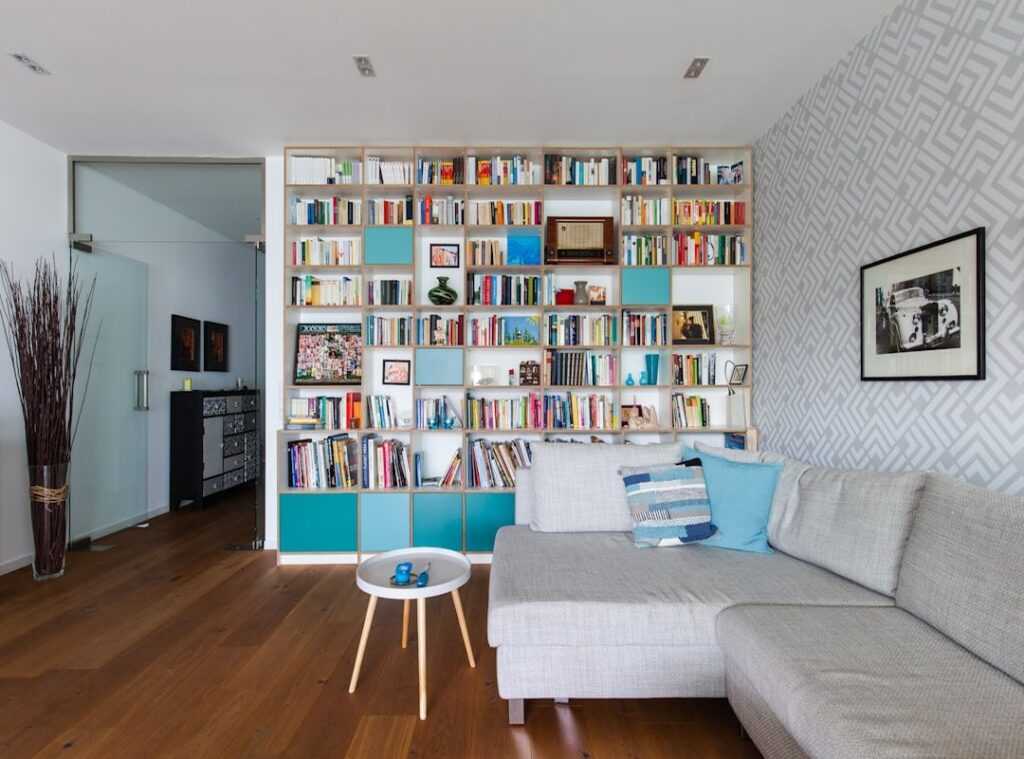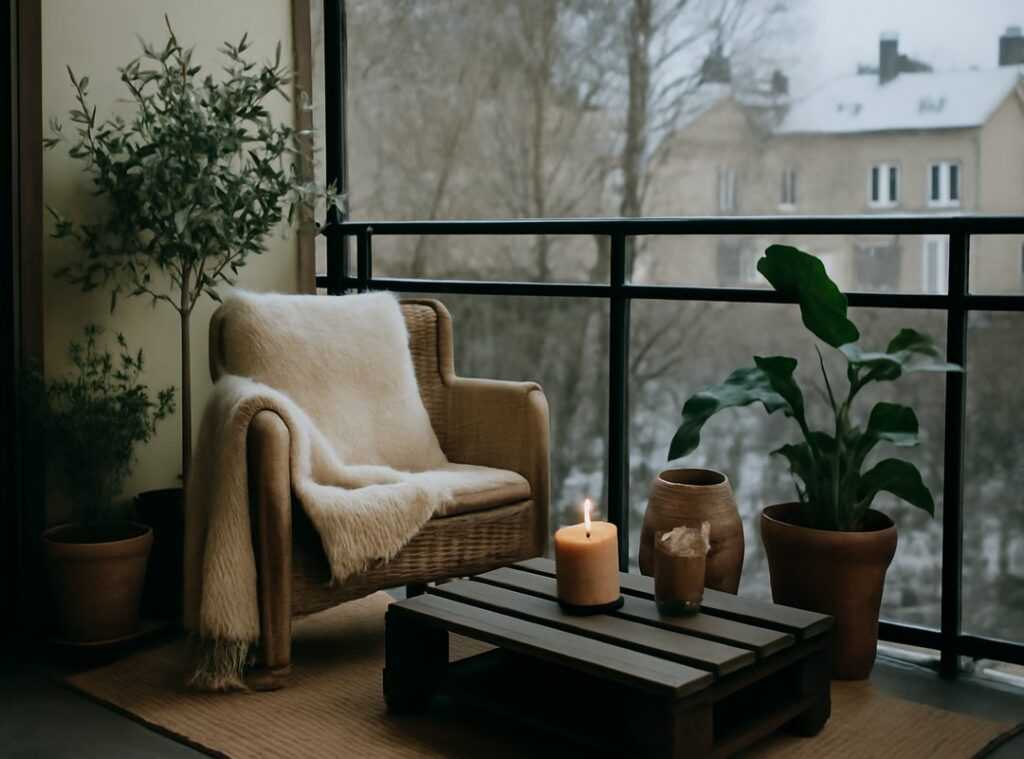
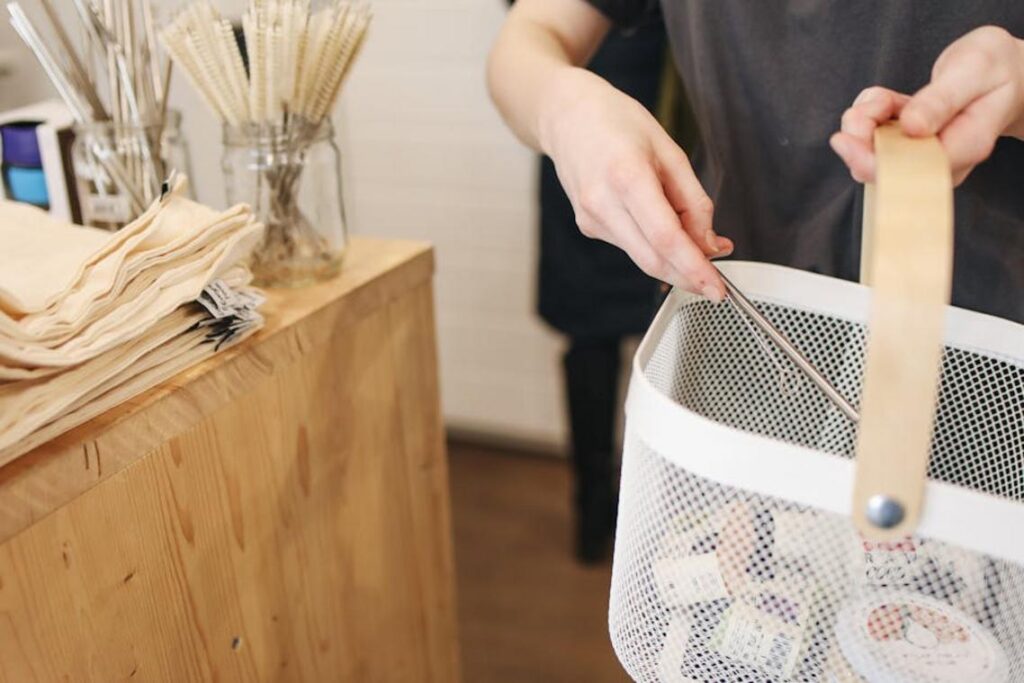
Creating a beautiful home shouldn’t come at the expense of the planet. Yet many homeowners hesitate to embrace eco-conscious choices because they fear sacrificing style. This guide shows you how to blend elegance and environmental responsibility seamlessly. By combining proven interior design principles with thoughtful architectural planning, we’ll explore sustainable home living practices that elevate your space rather than limit it. From curated materials and energy-smart layouts to everyday habits that reduce waste, you’ll discover practical, design-forward steps to transform your home into a chic, environmentally friendly sanctuary—where sustainability and sophistication coexist effortlessly.
The Foundation: Starting with a Conscious Home Audit
A few years ago, I flipped on every light in my apartment during a late-night cleaning spree and didn’t think twice about it—until the utility bill arrived. That was my wake-up call. I realized I wasn’t just living in a home; I was operating a small ecosystem.
That mindset shift changes everything. When you see your space as interconnected—energy, water, materials—you start noticing patterns. The kitchen trash affects landfill waste. Bathroom leaks impact water use. Even standby power (often called “energy vampires,” devices that draw electricity while turned off) quietly inflates your footprint.
Start with a room-by-room “greenprint.” In the kitchen, check for food waste and single-use plastics. In the bathroom, look for inefficient fixtures. In living areas, unplug idle electronics. (Yes, the blinking cable box counts.)
If you’ve explored top home living trends transforming modern spaces in 2026, you’ll notice efficiency and intention are central themes.
Prioritize low-hanging fruit. Swap bulbs for LEDs. Fix minor leaks. Use smart power strips. Small wins build momentum.
Instead of a total overhaul, set milestones: a zero-waste kitchen corner or one fully energy-efficient room. Sustainable home living practices work best when they feel doable—not drastic. Start small, adjust, and let progress compound.
The Art of Conscious Decor: Materials That Make a Difference
Design trends come and go, but materials define legacy. While many guides praise eco-friendly aesthetics, few discuss how material choice impacts resale value, maintenance cycles, and long-term durability. That’s where conscious decor stands apart.
1. Furniture with a Future
Reclaimed wood isn’t just charming—it’s structurally stable because it has already expanded and contracted over decades. Bamboo, technically a fast-growing grass, regenerates in 3–5 years (compared to 20+ for hardwoods, per WWF). Recycled metal reduces mining demand and adds industrial edge without the carbon footprint.
When sourcing vintage pieces, check joinery (dovetail joints signal craftsmanship) and solid frames beneath upholstery. A 1970s sideboard, refinished, often outlasts mass-produced alternatives (yes, even the trendy flat-pack ones).
2. Sustainable Textiles
Organic cotton avoids synthetic pesticides, linen comes from resilient flax plants requiring minimal irrigation, and hemp naturally enriches soil (FAO data). Beyond sustainability, these fibers breathe better—meaning fewer allergens and improved comfort. Layering textured linen curtains with hemp cushions introduces warmth without visual clutter.
3. Healthier Walls and Surfaces
Low-VOC and zero-VOC paints reduce volatile organic compounds that affect indoor air quality (EPA findings). Choose warm neutrals or soft mineral tones to amplify natural light, reducing reliance on artificial fixtures. (Your electricity bill may thank you.)
4. Flooring for Life
Cork regenerates from bark without harming trees, reclaimed hardwood prevents landfill waste, and ethically sourced tile ensures fair labor standards. Durable floors mean fewer replacements—central to sustainable home living practices.
Homeowners considering energy-efficient heating options can also explore how radiant heat and hardwood floors can work together when the flooring and heating system are properly selected and installed.
The advantage? Thoughtful materials don’t just look good—they perform better, last longer, and quietly elevate everyday living.
Smart & Stylish: Reducing Your Home’s Energy and Water Footprint

Lighting as a Design Element
First, swap out incandescent bulbs for LEDs. LEDs (light‑emitting diodes, which convert more energy into light rather than heat) use at least 75% less energy and last up to 25 times longer than traditional bulbs (U.S. Department of Energy). Some argue LEDs feel “too harsh.” Fair point—unless you layer them. Combine ambient lighting (overall glow), task lighting (focused light for reading or cooking), and accent lighting (highlighting art or textures). For example, install warm 2700K LEDs in living rooms and cooler 4000K tones in kitchens. Instantly cozier, instantly cheaper to run.
Elegant & Efficient Water Fixtures
Next, install low-flow showerheads (using under 2.0 gallons per minute) and WaterSense-labeled faucets. Critics claim low-flow means low pressure. Modern aerators—small devices that mix air with water—solve that (EPA). Try a rainfall-style low-flow showerhead for spa vibes without the guilt.
The Invisible Upgrade
Then, add smart thermostats and plugs. A smart thermostat learns your schedule and adjusts heating automatically. Set it 7–10°F lower while asleep to save up to 10% annually (Energy.gov). It’s automation, not sacrifice.
Window Treatments with a Purpose
Finally, hang thermal curtains. They reduce heat loss by up to 25% (DOE) while elevating your décor. Stylish insulation? That’s sustainable home living practices in action.
Beyond the Recycling Bin: Integrating Low-Waste Habits Beautifully
The Curated Kitchen
A cluttered pantry stuffed with crinkled plastic (A) versus uniform glass jars with handwritten labels (B). The difference isn’t just visual—it’s functional. Clear containers reduce food waste because you see what you have, cutting spoilage by up to 20% (NRDC). Beeswax wraps replace single-use plastic wrap, and stackable reusable containers turn chaos into calm. It’s Marie Kondo meets mindful consumption (yes, sparks joy).
- Glass jars over plastic bags
- Beeswax wraps over cling film
- Bulk bins over individually packaged snacks
The Minimalist Bathroom Sanctuary
Disposable razors and neon bottles (A) feel temporary. Refillable soap dispensers, bamboo toothbrushes, and reusable cotton rounds (B) create a spa-like ritual. One study found refill systems can reduce plastic use by 70% (Ellen MacArthur Foundation).
Composting with Class
Open trash can (A) versus sleek, charcoal-filter compost bin (B). Modern indoor systems are compact, odor-free, and aligned with sustainable home living practices—proof that style and responsibility can share the same countertop.
By embracing sustainable home living practices, you not only reduce your environmental footprint but also enhance the overall harmony of your space, which can be beautifully complemented by incorporating dynamic flow into your residential floor plans – for more details, check out our How to Incorporate Dynamic Flow Into Residential Floor Plans.
Creating a Lasting Legacy of Sustainable Style
You set out to discover how refined design and environmental responsibility can truly coexist—and now you have a clear path forward. A beautiful home doesn’t require compromise; it thrives on intentional choices that align aesthetics with values. By embracing sustainable home living practices, selecting mindful materials, reducing waste, and conserving energy, you create a space that nurtures both your lifestyle and the planet.
The real transformation begins with one simple step. Choose a single change today—swap materials, rethink lighting, or repurpose décor—and build momentum from there. Start now and experience how effortless it can be to design a home that’s timeless, elegant, and consciously crafted.
 Architectural Layout & Styling Consultant
There is a specific skill involved in explaining something clearly — one that is completely separate from actually knowing the subject. Charles Townsendenios has both. They has spent years working with practical home styling tips in a hands-on capacity, and an equal amount of time figuring out how to translate that experience into writing that people with different backgrounds can actually absorb and use.
Charles tends to approach complex subjects — Practical Home Styling Tips, Home Living Highlights, Unique Finds being good examples — by starting with what the reader already knows, then building outward from there rather than dropping them in the deep end. It sounds like a small thing. In practice it makes a significant difference in whether someone finishes the article or abandons it halfway through. They is also good at knowing when to stop — a surprisingly underrated skill. Some writers bury useful information under so many caveats and qualifications that the point disappears. Charles knows where the point is and gets there without too many detours.
The practical effect of all this is that people who read Charles's work tend to come away actually capable of doing something with it. Not just vaguely informed — actually capable. For a writer working in practical home styling tips, that is probably the best possible outcome, and it's the standard Charles holds they's own work to.
Architectural Layout & Styling Consultant
There is a specific skill involved in explaining something clearly — one that is completely separate from actually knowing the subject. Charles Townsendenios has both. They has spent years working with practical home styling tips in a hands-on capacity, and an equal amount of time figuring out how to translate that experience into writing that people with different backgrounds can actually absorb and use.
Charles tends to approach complex subjects — Practical Home Styling Tips, Home Living Highlights, Unique Finds being good examples — by starting with what the reader already knows, then building outward from there rather than dropping them in the deep end. It sounds like a small thing. In practice it makes a significant difference in whether someone finishes the article or abandons it halfway through. They is also good at knowing when to stop — a surprisingly underrated skill. Some writers bury useful information under so many caveats and qualifications that the point disappears. Charles knows where the point is and gets there without too many detours.
The practical effect of all this is that people who read Charles's work tend to come away actually capable of doing something with it. Not just vaguely informed — actually capable. For a writer working in practical home styling tips, that is probably the best possible outcome, and it's the standard Charles holds they's own work to.