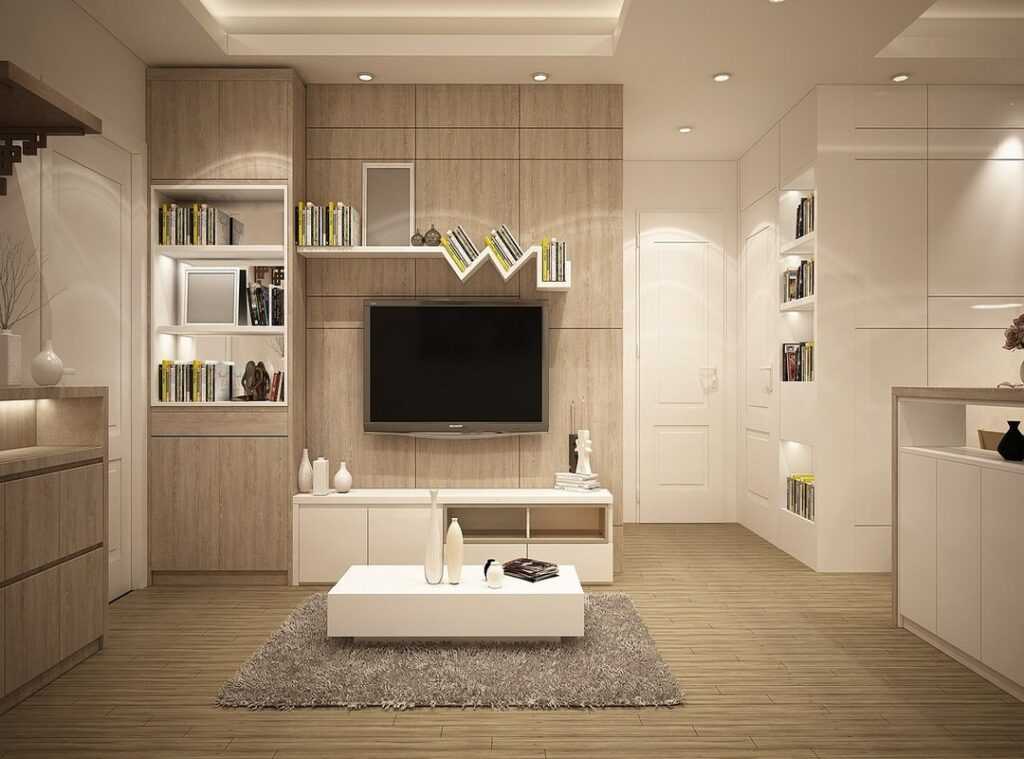

If you’re searching for clear, practical guidance on creating a calm, clutter-free home, this article is designed to give you exactly that. Minimalism isn’t about empty rooms or sacrificing comfort—it’s about intentional choices, balanced layouts, and thoughtful details that make your space both functional and beautiful. Here, we break down minimalist interior design principles into actionable steps you can apply immediately, whether you’re redesigning a single room or planning a full home refresh.
You’ll learn how to use space efficiently, choose a cohesive color palette, select purposeful furniture, and incorporate texture without overwhelming the room. Every recommendation is grounded in proven design concepts and real-world styling practices used in modern interiors today.
By the end, you’ll have a clear understanding of how to simplify your space while enhancing its character—creating a home that feels open, refined, and effortlessly livable.
Embrace Simplicity often begins with a confession: “I’m overwhelmed,” a client told me, staring at stacks of unopened boxes. A cluttered room can create a cluttered mind (science links chaos to stress, per UCLA’s Center on Lives of Families).
The fix isn’t emptiness. It’s a mindset shift toward intentional living guided by minimalist interior design principles.
Less noise. More meaning.
Here’s your framework:
- Keep what serves a purpose.
- Design for function first.
- Leave space to breathe.
“Will it feel cold?” she asked. No. It feels calm. By the end, you’ll know how to reclaim your space—and focus.
The foundation of a well-designed home starts with a shift in mindset: choose curation over accumulation. It’s not about owning less; it’s about making what you own matter more. Instead of filling rooms with fast furniture, invest in one well-crafted, “forever” piece built from solid wood, durable fabrics, and timeless lines. A single heirloom-quality table often outlasts three bargain versions (and looks better doing it).
Of course, some argue that affordable pieces allow flexibility and trend play. Fair. However, constant replacement costs more over time and adds waste. Quality pays you back in longevity and calm.
Next, adopt the “one in, one out” rule:
- Buy intentionally
- Donate promptly
- Track what you replace
In addition, apply this thinking from sofas to spoons. Use minimalist interior design principles to guide each decision, ensuring every item earns its place. Choose fewer, better things, and let your space breathe daily with calm, lasting impact.
Harnessing Color: Creating Calm with a Neutral Palette
The Power of a Limited Palette
For those seeking guidance on how to effectively implement these design principles in their own homes, our recent article ‘Wutawhelp Advice‘ offers practical tips to make the transition to minimalist living both inspiring and achievable.
Neutral tones—whites, beiges, and light grays—act as visual exhale. Compare a room painted bright red (energizing but restless) with one wrapped in warm ivory (calm, steady, expansive). A limited palette reduces visual clutter and allows the eye to rest. This restraint sits at the heart of minimalist interior design principles, where simplicity creates spaciousness rather than scarcity. Some argue neutrals feel “safe” or even dull. Yet, when done well, they’re less blank canvas and more quiet luxury.
Creating Depth with Texture
Flat color vs layered texture is the real design showdown. A beige room without variation can feel clinical. But add:
- A chunky knit throw over a linen sofa
- A smooth ceramic vase on a raw wood table
- A woven jute rug underfoot
Suddenly, the space feels curated, not cold. Texture adds story without shouting for attention.
The Role of Accent Colors
One forest green cushion vs five bold hues scattered around—clarity wins. A single terracotta artwork can anchor a room, while too many accents create noise (like five people talking at once).
Light as a Design Element
Neutral palettes amplify natural light, reflecting it instead of absorbing it. The result? Rooms feel larger, softer, and effortlessly open.
Functional Furniture: Every Piece with a Purpose
Form follows function isn’t just a slogan—it’s a filter. In a minimalist home, every item should justify its footprint. If a chair is never used or a side table only collects mail, it’s taking up visual and physical space. Be decisive. Keep what serves a daily purpose and remove what doesn’t (yes, even that “maybe someday” accent stool).
At the same time, prioritize clean lines and strong silhouettes. Choose sofas with tailored edges, tables with simple profiles, and cabinetry without ornate carvings. Busy patterns and excessive ornamentation compete for attention and disrupt calm. Instead, let materials and proportion do the talking.
Whenever possible, invest in multi-functional pieces. A storage ottoman hides blankets, a console table can double as a desk, and nesting tables adapt when guests arrive. Pro tip: before buying, list at least two practical uses for the piece.
Equally important is negative space—the intentional emptiness around objects. This breathing room prevents visual clutter and highlights what remains. In fact, many minimalist interior design principles emphasize that empty space is as powerful as furniture itself.
For added harmony, consider how nature integrates with structure, as explored in biophilic design explained bringing nature into modern interiors. Thoughtful restraint always wins.
Mastering Decluttering: A Practical System for Order

Decluttering isn’t about tossing things randomly into trash bags (we’ve all tried that and regretted it later). It’s about having a system. I swear by the Four-Box Method: Keep, Donate/Sell, Trash, Relocate. Every single item must go into one of these boxes. No “decide later” pile. That’s how clutter wins.
Here’s my opinion: most mess isn’t about having too much stuff. It’s about having no assigned home for it. A Home for Everything means exactly that. If an item doesn’t have a permanent, logical storage spot, it will live on your counters forever. Keys need a tray. Mail needs a sorter. Blankets need a basket. Simple.
And yes, concealed storage is key. Closed cabinets, deep drawers, lidded baskets—these calm a room instantly. Open shelving sounds charming, but unless you style it like a magazine shoot, it becomes visual noise. Use minimalist interior design principles and let your eye rest.
When it comes to décor, curate—don’t collect. Choose a few meaningful pieces and display them like gallery art. Give them space. Let them breathe. Your home should feel edited, not crowded.
Living with Intention: Your Clutter-Free Future
Minimalism isn’t just an aesthetic trend; it’s a decision to build a calmer, more focused life. When you remove excess, you reduce visual noise (and mental noise right along with it). The benefit? Less stress, fewer distractions, and more energy for what actually matters.
At its core, this approach is simple: choose quality over quantity, embrace a calm palette, demand function from every piece of furniture, and declutter with purpose. These minimalist interior design principles aren’t about stark emptiness—they’re about clarity. Think of it as editing your home the way a filmmaker edits a movie: cutting what doesn’t serve the story.
Some argue minimal spaces feel cold or restrictive. In reality, a thoughtfully simplified room is flexible and supportive, adapting as your life evolves.
Start small. Clear one drawer, one countertop, or one corner today. You’ll feel the shift immediately—and that momentum is where real change begins.
Bring Your Space to Life with Purpose and Clarity
You came here looking for clarity on how to create a space that feels calm, intentional, and beautifully balanced. Now you understand how minimalist interior design principles shape not just the look of a room, but the way it functions and feels every single day.
Clutter, visual noise, and poorly planned layouts can make even the most beautiful home feel overwhelming. By focusing on clean lines, thoughtful layouts, and purposeful decor, you eliminate the stress and create a home that truly supports your lifestyle.
The next step is simple: start with one room. Remove what no longer serves you, refine your layout, and apply these principles with intention. If you’re ready for expert-backed ideas, practical styling tips, and design concepts trusted by design-conscious homeowners, explore more curated inspiration now and transform your space with confidence.
 Founder & Creative Director
Fendric Thorvale has opinions about unique finds. Informed ones, backed by real experience — but opinions nonetheless, and they doesn't try to disguise them as neutral observation. They thinks a lot of what gets written about Unique Finds, Lifestyle Decor Inspirations, KD-Inspired Architectural Layouts is either too cautious to be useful or too confident to be credible, and they's work tends to sit deliberately in the space between those two failure modes.
Reading Fendric's pieces, you get the sense of someone who has thought about this stuff seriously and arrived at actual conclusions — not just collected a range of perspectives and declined to pick one. That can be uncomfortable when they lands on something you disagree with. It's also why the writing is worth engaging with. Fendric isn't interested in telling people what they want to hear. They is interested in telling them what they actually thinks, with enough reasoning behind it that you can push back if you want to. That kind of intellectual honesty is rarer than it should be.
What Fendric is best at is the moment when a familiar topic reveals something unexpected — when the conventional wisdom turns out to be slightly off, or when a small shift in framing changes everything. They finds those moments consistently, which is why they's work tends to generate real discussion rather than just passive agreement.
Founder & Creative Director
Fendric Thorvale has opinions about unique finds. Informed ones, backed by real experience — but opinions nonetheless, and they doesn't try to disguise them as neutral observation. They thinks a lot of what gets written about Unique Finds, Lifestyle Decor Inspirations, KD-Inspired Architectural Layouts is either too cautious to be useful or too confident to be credible, and they's work tends to sit deliberately in the space between those two failure modes.
Reading Fendric's pieces, you get the sense of someone who has thought about this stuff seriously and arrived at actual conclusions — not just collected a range of perspectives and declined to pick one. That can be uncomfortable when they lands on something you disagree with. It's also why the writing is worth engaging with. Fendric isn't interested in telling people what they want to hear. They is interested in telling them what they actually thinks, with enough reasoning behind it that you can push back if you want to. That kind of intellectual honesty is rarer than it should be.
What Fendric is best at is the moment when a familiar topic reveals something unexpected — when the conventional wisdom turns out to be slightly off, or when a small shift in framing changes everything. They finds those moments consistently, which is why they's work tends to generate real discussion rather than just passive agreement.