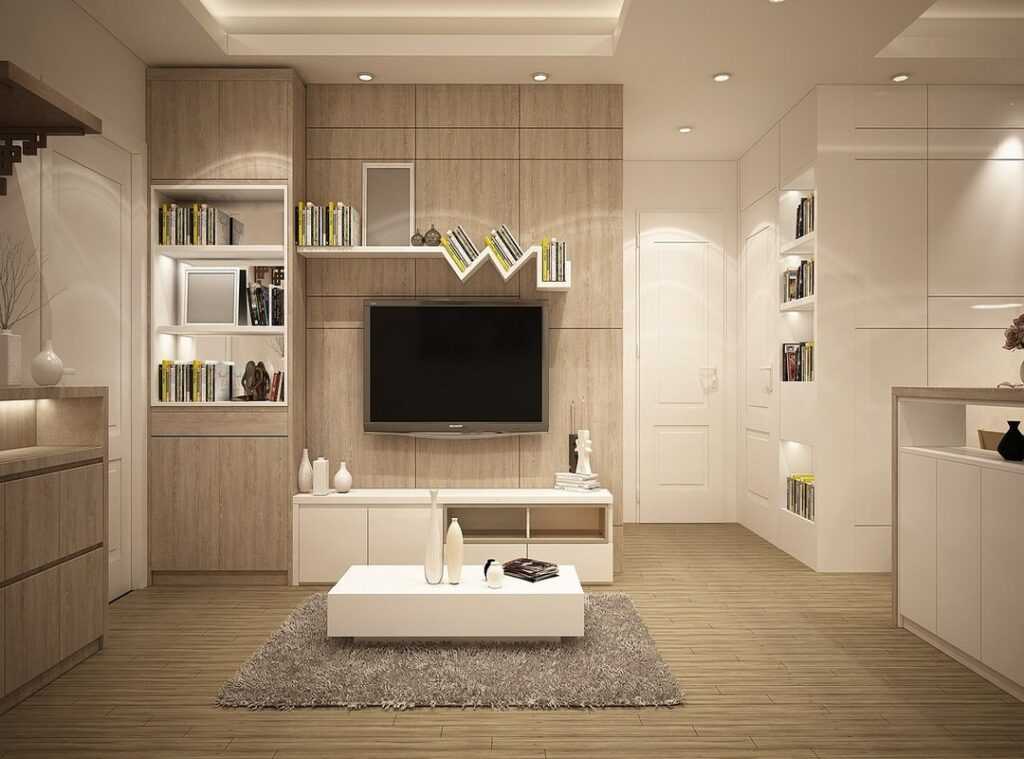

Modern homes often feel sealed off from the very thing that helps us thrive: nature. If you’re looking for practical ways to create a calmer, healthier living space, this guide will show you how to thoughtfully weave natural elements into your home’s design. Rooted in the proven principles of biophilic interior design, our approach draws on years of refining harmonious, nature-connected spaces that support well-being. You’ll discover actionable strategies to transform any room into a serene sanctuary—one that reduces stress, boosts your mood, and strengthens your everyday connection to the outdoors.
The Science of Serenity: Understanding Biophilic Design
Biophilic design is an architectural approach that weaves natural elements and processes into built spaces. In other words, it’s about designing with nature, not decorating around it. The term “biophilia” refers to our innate tendency to seek connections with the natural world, a concept popularized by biologist E.O. Wilson (1984).
More importantly, the benefits are measurable. Studies show exposure to natural light and greenery can lower cortisol, the body’s stress hormone, improve cognitive performance, and boost creativity (Journal of Environmental Psychology, 2015). I’ve believed spaces should feel like exhaling—and research backs that up.
However, it’s not just about adding a few plants and calling it a day. True biophilic interior design considers daylight, airflow, organic materials, spatial layouts, and patterns that echo forests, coastlines, or savannas. Think textures, fractals, and natural rhythms (yes, wood grain counts). When done thoughtfully, serenity isn’t staged—it’s structural.
Direct Natural Connections: Incorporating Living Elements
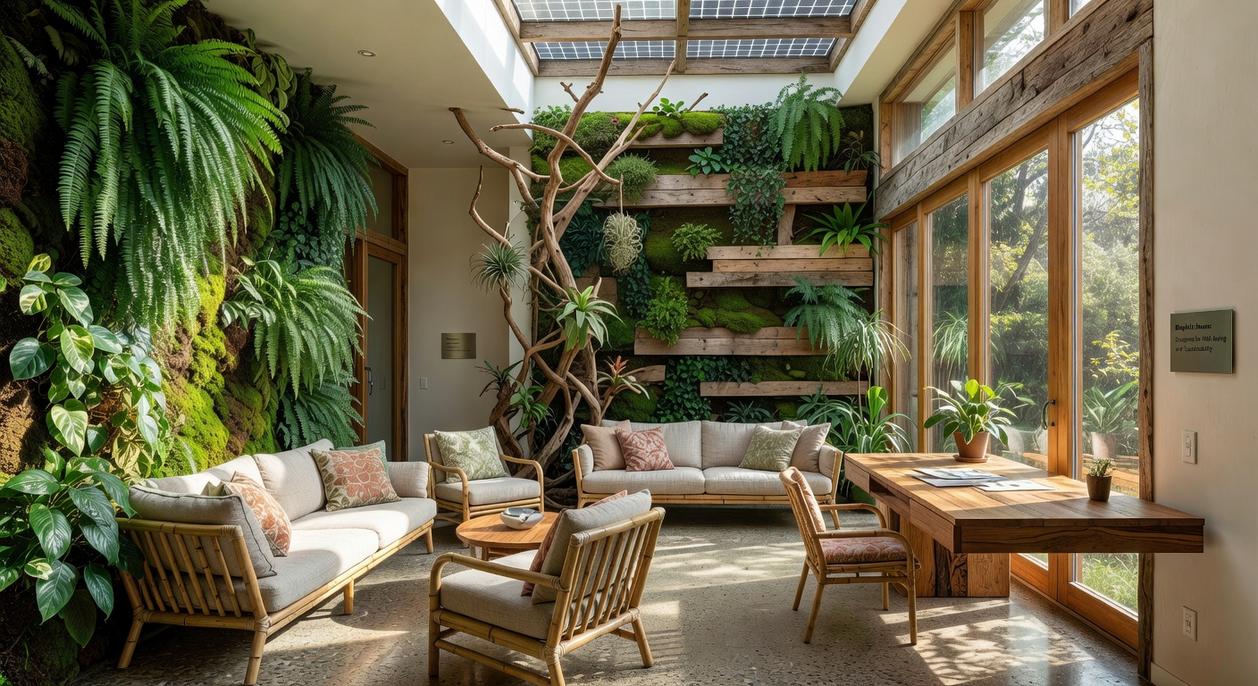
Bringing nature indoors isn’t just about style—it’s about how you feel in your space every day. Plants and greenery are the easiest starting point. Snake Plants (tough, low‑light tolerant) and Pothos (fast-growing trailing vines) help improve indoor air quality by filtering toxins like formaldehyde, according to NASA’s Clean Air Study. Ferns add softness and humidity balance, which is especially helpful in dry climates. Create plant clusters in unused corners for visual impact, or install a living wall to transform a blank surface into a breathing focal point (it’s like giving your room lungs).
The payoff? Cleaner air, reduced stress, and a subtle productivity boost—studies from the University of Exeter show plants can increase workplace well-being and output. That’s biophilic interior design in action.
Water elements amplify calm through sound and sight. A small tabletop fountain introduces gentle white noise, while a view of a pond or courtyard feature creates a grounding ritual moment (morning coffee hits differently beside water).
Finally, maximize natural light and airflow. Use sheer curtains, position mirrors to bounce sunlight, and encourage cross-ventilation. The result: brighter rooms, better sleep cycles, and a home that feels alive—not stagnant.
Indirect Connections: Using Natural Materials and Patterns
Material Palette
“Why does this room feel calmer?” a client once asked me, running her hand across an unfinished oak table. The answer was simple: texture. Materials like unfinished wood, stone, bamboo, and rattan create a tactile (touch-based) connection to the outdoors. Designers call this material authenticity—using elements in their near-natural state rather than heavily processed finishes.
• Unfinished oak or walnut for warmth
• Stone countertops for grounding weight
• Rattan or bamboo accents for lightness
Skeptics argue these materials can feel rustic or outdated. But paired with clean lines, they read timeless—think modern treehouse, not log cabin.
Colors of the Earth
Earthy tones—moss greens, clay browns, sandy beiges, sky blues—mirror landscapes our brains instinctively trust (a concept supported by environmental psychology research from the University of Minnesota). “It feels like a deep breath,” another homeowner told me after swapping gray walls for warm taupe.
If you’re hesitant, consider how color drenching the bold trend redefining room aesthetics can intensify these hues without overwhelming the space.
Biomorphic Forms & Patterns
Biomorphic means shapes that mimic living forms. Honeycomb tiles, leaf-vein textiles, or ripple-patterned rugs subtly echo nature. In biophilic interior design, these patterns create subconscious comfort (yes, your brain notices). Even critics who prefer minimalism admit: “It just feels right.”
Space and Place: Architectural Layouts Inspired by Nature
Prospect and Refuge
The concept of prospect and refuge comes from environmental psychology: humans feel safest when they can see without being seen. “Prospect” means open views; “refuge” means protected nooks. Think of a window seat tucked into an alcove or a reading corner with a high-backed chair. You get a clear sightline across the room (prospect) and a cocoon-like enclosure (refuge). I’m convinced every home needs at least one of these contrasts—it’s the architectural equivalent of having both a stage and backstage. Some argue open-concept living makes refuge unnecessary. I disagree. Without cozy pockets, large spaces feel like airport lounges (and not in a good way).
Views and Vistas
Framing outdoor views is, in my opinion, non-negotiable. Position sofas toward a garden-facing window. Let the sky become wall art. This approach, central to biophilic interior design, reinforces our connection to nature (Ulrich, 1984). Pro tip: keep window areas minimally dressed to avoid visual clutter.
Transitional Spaces
I love homes that blur boundaries—large glass doors, patios styled like living rooms, indoor-outdoor rugs. The magic happens in the threshold. Critics say it’s impractical in harsh climates. Fair—but even symbolic transitions, like layered textures and plants, can soften the divide.
Start Small, Think Natural
If you’re new to nature-inspired spaces, my honest advice is this: don’t overhaul your entire home. Start with one corner. Add a natural wood tray to your coffee table, a stone coaster set, or a linen throw blanket over your sofa. Small shifts feel manageable (and far less overwhelming than a weekend renovation spree).
I’ve found that engaging all five senses makes the biggest difference. A jute rug underfoot or a wool blanket on your chair adds warmth. A diffuser with cedar or lavender subtly transforms the mood. Even a small tabletop fountain can introduce gentle, grounding sound.
- Try styling just one shelf with natural textures before committing to a full room makeover.
Decluttering is non-negotiable in my book. Nature isn’t chaotic; it’s intentional. Clear surfaces allow your biophilic interior design choices to breathe. In my experience, simplicity is what makes the organic elements truly shine.
Your Home as a Natural Sanctuary
You set out to turn your home into more than just a place to live—and now you have the principles to make it a true sanctuary. By applying biophilic interior design, you’re directly addressing the stress, overstimulation, and disconnection that modern spaces often create. When your environment supports your biology, calm and clarity follow.
Don’t let your space drain you another day. Start with one simple change—add greenery, layer natural textures, or reposition your favorite seat toward natural light—and feel the shift immediately.
Ready for a home that restores your energy instead of depleting it? Explore our top-rated design inspirations and start transforming your space today.
 Founder & Creative Director
Fendric Thorvale has opinions about unique finds. Informed ones, backed by real experience — but opinions nonetheless, and they doesn't try to disguise them as neutral observation. They thinks a lot of what gets written about Unique Finds, Lifestyle Decor Inspirations, KD-Inspired Architectural Layouts is either too cautious to be useful or too confident to be credible, and they's work tends to sit deliberately in the space between those two failure modes.
Reading Fendric's pieces, you get the sense of someone who has thought about this stuff seriously and arrived at actual conclusions — not just collected a range of perspectives and declined to pick one. That can be uncomfortable when they lands on something you disagree with. It's also why the writing is worth engaging with. Fendric isn't interested in telling people what they want to hear. They is interested in telling them what they actually thinks, with enough reasoning behind it that you can push back if you want to. That kind of intellectual honesty is rarer than it should be.
What Fendric is best at is the moment when a familiar topic reveals something unexpected — when the conventional wisdom turns out to be slightly off, or when a small shift in framing changes everything. They finds those moments consistently, which is why they's work tends to generate real discussion rather than just passive agreement.
Founder & Creative Director
Fendric Thorvale has opinions about unique finds. Informed ones, backed by real experience — but opinions nonetheless, and they doesn't try to disguise them as neutral observation. They thinks a lot of what gets written about Unique Finds, Lifestyle Decor Inspirations, KD-Inspired Architectural Layouts is either too cautious to be useful or too confident to be credible, and they's work tends to sit deliberately in the space between those two failure modes.
Reading Fendric's pieces, you get the sense of someone who has thought about this stuff seriously and arrived at actual conclusions — not just collected a range of perspectives and declined to pick one. That can be uncomfortable when they lands on something you disagree with. It's also why the writing is worth engaging with. Fendric isn't interested in telling people what they want to hear. They is interested in telling them what they actually thinks, with enough reasoning behind it that you can push back if you want to. That kind of intellectual honesty is rarer than it should be.
What Fendric is best at is the moment when a familiar topic reveals something unexpected — when the conventional wisdom turns out to be slightly off, or when a small shift in framing changes everything. They finds those moments consistently, which is why they's work tends to generate real discussion rather than just passive agreement.