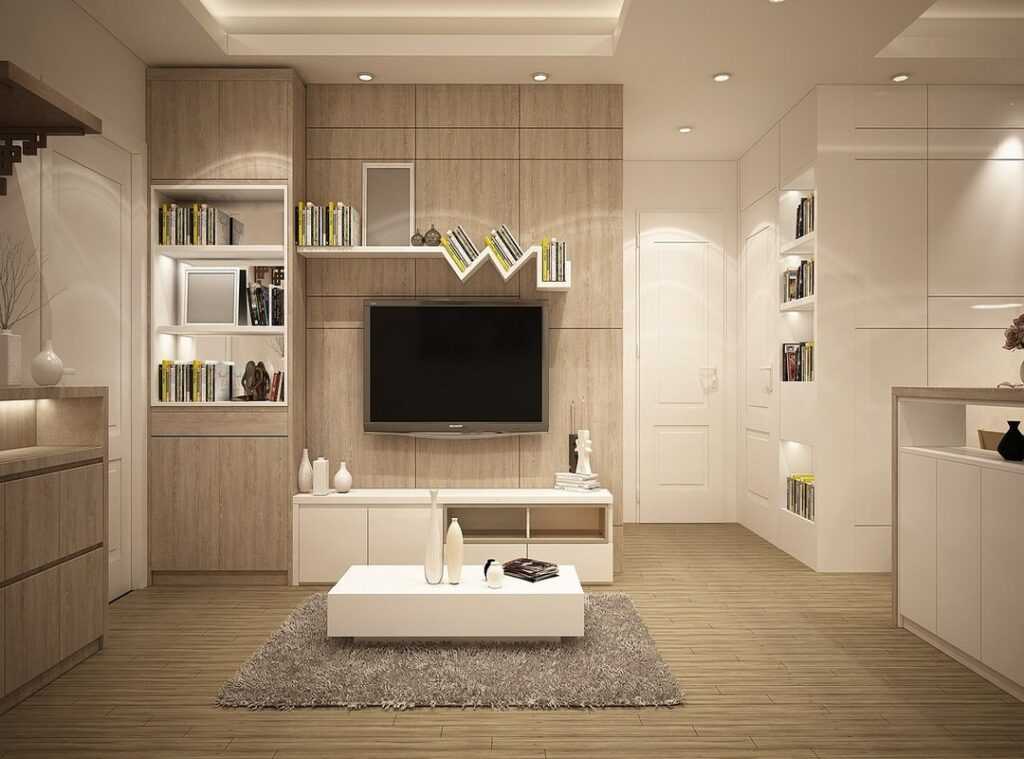
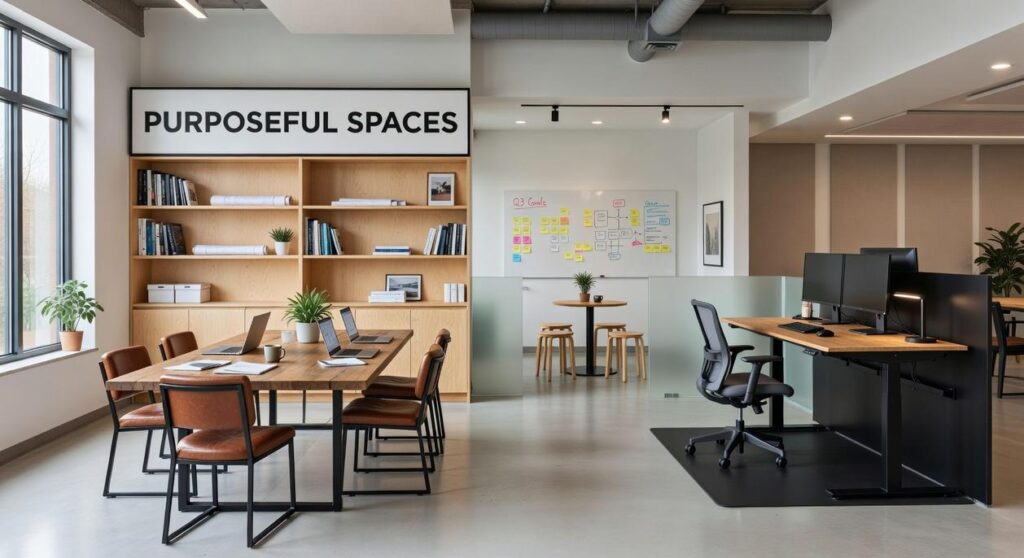
Choosing between open concept vs defined spaces is more than a design preference—it’s a decision that shapes how you live every day. This article directly compares these two dominant layout philosophies: the airy, connected feel of open living and the structure and privacy of purpose-driven rooms. If you’re unsure which option truly fits your family’s routines, entertaining style, or need for quiet retreats, you’re in the right place. We break down the real-world pros and cons of each approach, moving beyond passing trends to focus on comfort, functionality, and long-term livability—so you can select a floor plan that genuinely enhances your lifestyle.
Embracing Flow: The Allure of the Open-Concept Layout
To explore how your personal style can influence the choice between open concept and defined spaces, check out our comprehensive Home Guide at Mrshometips – for more details, check out our Home Guide Mrshometips.
An open-concept layout removes interior walls to merge the kitchen, dining, and living areas into one continuous, airy space. Instead of doors clicking shut or footsteps echoing down hallways, you hear the gentle hum of conversation drifting from sofa to stove. The scent of garlic sautéing travels freely, sunlight spills across uninterrupted floors, and the whole home feels like one deep, calming breath.
Key Benefits
- Enhanced social connection: Parents can chop vegetables while helping with homework at the island. Hosts can laugh with guests without disappearing behind a wall (no more solo dish duty).
- Maximized light and space: With fewer barriers, natural light flows unimpeded, creating the illusion of a larger footprint.
Critics of open concept vs defined spaces argue for privacy and quiet. Fair point. But thoughtful zoning—area rugs, pendant lighting, sectional sofas—creates cozy pockets without sacrificing flow. Pro tip: repeat textures and tones to keep the space cohesive and visually calm.
The Power of Purpose: The Case for Defined Spaces
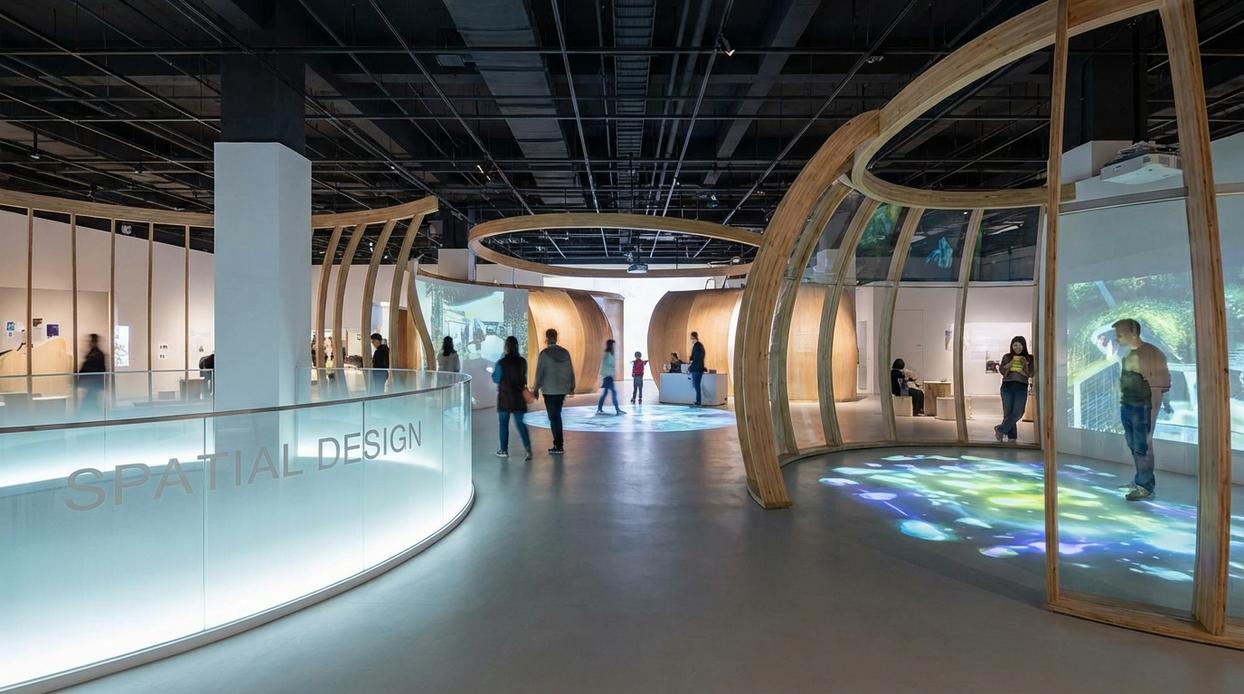
Defined spaces refer to the traditional layout model where rooms are enclosed by walls and doorways, each designed for a specific function—like a formal dining room or a separate kitchen. While open concept vs defined spaces remains a hot debate, clearly separated rooms offer practical advantages many homeowners quietly miss.
Why Defined Spaces Work
-
Superior Privacy and Noise Control
Walls act as built-in sound barriers (a blessing during Zoom calls or teenage gaming marathons). If you work from home, physical separation improves focus and reduces stress, according to environmental psychology research on workspace boundaries. -
Simplified Decorating
Each room becomes its own canvas. You can embrace bold wallpaper in the dining room and keep the bedroom serene without visual competition—much like scene changes in a well-directed film. -
Contained Mess, Contained Stress
Kitchen clutter and playroom chaos stay out of sight, making daily tidying faster and more manageable.
For style inspiration blending classic structure with personality, explore the comeback of retro interior styles in contemporary homes.
A Practical Comparison for Modern Living
When weighing open concept vs defined spaces, the decision goes far beyond aesthetics. It shapes how you host, relax, and even manage your utility bills.
To begin with, entertaining style often drives the debate. Open layouts excel for large, casual gatherings because they remove barriers and encourage flow. According to a 2023 Houzz survey, over 60% of homeowners renovating kitchens prefer open connections to dining or living areas for social interaction. In practice, that means guests can chat with the host while dinner simmers (very “everyone in the kitchen at the party” energy). However, defined spaces shine during formal dinners or when multiple activities happen at once—adults conversing in the dining room while kids play elsewhere without disrupting the mood.
Equally important is daily functionality. Open layouts demand near-constant tidiness since clutter is always visible. A study published in Personality and Social Psychology Bulletin found that visible clutter can elevate stress levels, particularly in shared living areas. Defined rooms, by contrast, allow you to close a door on the chaos (and sometimes that’s a sanity saver).
Acoustics and smells also matter more than many expect. Sound travels unobstructed in large open areas, increasing ambient noise levels. The National Association of Home Builders notes that walls significantly reduce sound transmission between rooms. Cooking odors behave similarly; without partitions, they linger longer and spread farther.
Energy efficiency adds another layer. The U.S. Department of Energy reports that heating and cooling account for roughly 43% of home energy use. Smaller, enclosed rooms are often cheaper to regulate because conditioned air is contained rather than dispersed.
That said, flexibility favors open layouts. Furniture can be rearranged easily as needs evolve. Defined spaces, however, provide psychological structure and a clear sense of purpose for each area—something many households find grounding over time.
Finding the Middle Ground: The Rise of ‘Broken-Plan’ Design
For years, homeowners felt forced to choose between open concept vs defined spaces. One promised light and togetherness; the other offered privacy and order. But what if you could have both?
Enter broken-plan (also called zoned) design—a hybrid layout that keeps sightlines open while subtly carving out purposeful areas. Instead of full walls, you use gentle dividers that create separation without sacrificing flow. The result? A home that feels airy yet organized (and far less chaotic during Zoom calls).
Practical techniques make this approach surprisingly achievable:
- Half-walls, glass partitions, large cased openings, or slight floor level changes to signal transitions without closing rooms off.
Strategic furniture placement does even more heavy lifting. Think back-to-back sofas defining a living area, oversized rugs anchoring conversation zones, or open-shelved bookcases that divide space while letting light pass through. These elements act as visual cues, guiding movement and purpose.
What’s in it for you? Better acoustics, improved focus, and a sense of retreat—without losing connection to family or guests. You gain psychological comfort, clearer organization, and flexible styling options. In short, broken-plan design delivers balance: openness when you want it, boundaries when you need it.
Designing Your Decision: Which Layout Wins for You?
You’ve now seen the real differences between open concept vs defined spaces and how each one shapes the way you live every day. The real challenge isn’t what’s trending — it’s choosing a layout that supports your need for connection, privacy, organization, and flow.
When your home’s design clashes with your lifestyle, frustration builds fast — from constant noise to visual clutter with no escape. The right layout eliminates that tension and makes daily life feel effortless.
If you’re ready to create a space that truly works for you, explore more layout ideas and practical styling tips now — and start designing a home that finally fits your life.
 Senior Interior Design Specialist
Ronald Sheppardivers has opinions about interior design concepts and trends. Informed ones, backed by real experience — but opinions nonetheless, and they doesn't try to disguise them as neutral observation. They thinks a lot of what gets written about Interior Design Concepts and Trends, Lifestyle Decor Inspirations, KD-Inspired Architectural Layouts is either too cautious to be useful or too confident to be credible, and they's work tends to sit deliberately in the space between those two failure modes.
Reading Ronald's pieces, you get the sense of someone who has thought about this stuff seriously and arrived at actual conclusions — not just collected a range of perspectives and declined to pick one. That can be uncomfortable when they lands on something you disagree with. It's also why the writing is worth engaging with. Ronald isn't interested in telling people what they want to hear. They is interested in telling them what they actually thinks, with enough reasoning behind it that you can push back if you want to. That kind of intellectual honesty is rarer than it should be.
What Ronald is best at is the moment when a familiar topic reveals something unexpected — when the conventional wisdom turns out to be slightly off, or when a small shift in framing changes everything. They finds those moments consistently, which is why they's work tends to generate real discussion rather than just passive agreement.
Senior Interior Design Specialist
Ronald Sheppardivers has opinions about interior design concepts and trends. Informed ones, backed by real experience — but opinions nonetheless, and they doesn't try to disguise them as neutral observation. They thinks a lot of what gets written about Interior Design Concepts and Trends, Lifestyle Decor Inspirations, KD-Inspired Architectural Layouts is either too cautious to be useful or too confident to be credible, and they's work tends to sit deliberately in the space between those two failure modes.
Reading Ronald's pieces, you get the sense of someone who has thought about this stuff seriously and arrived at actual conclusions — not just collected a range of perspectives and declined to pick one. That can be uncomfortable when they lands on something you disagree with. It's also why the writing is worth engaging with. Ronald isn't interested in telling people what they want to hear. They is interested in telling them what they actually thinks, with enough reasoning behind it that you can push back if you want to. That kind of intellectual honesty is rarer than it should be.
What Ronald is best at is the moment when a familiar topic reveals something unexpected — when the conventional wisdom turns out to be slightly off, or when a small shift in framing changes everything. They finds those moments consistently, which is why they's work tends to generate real discussion rather than just passive agreement.