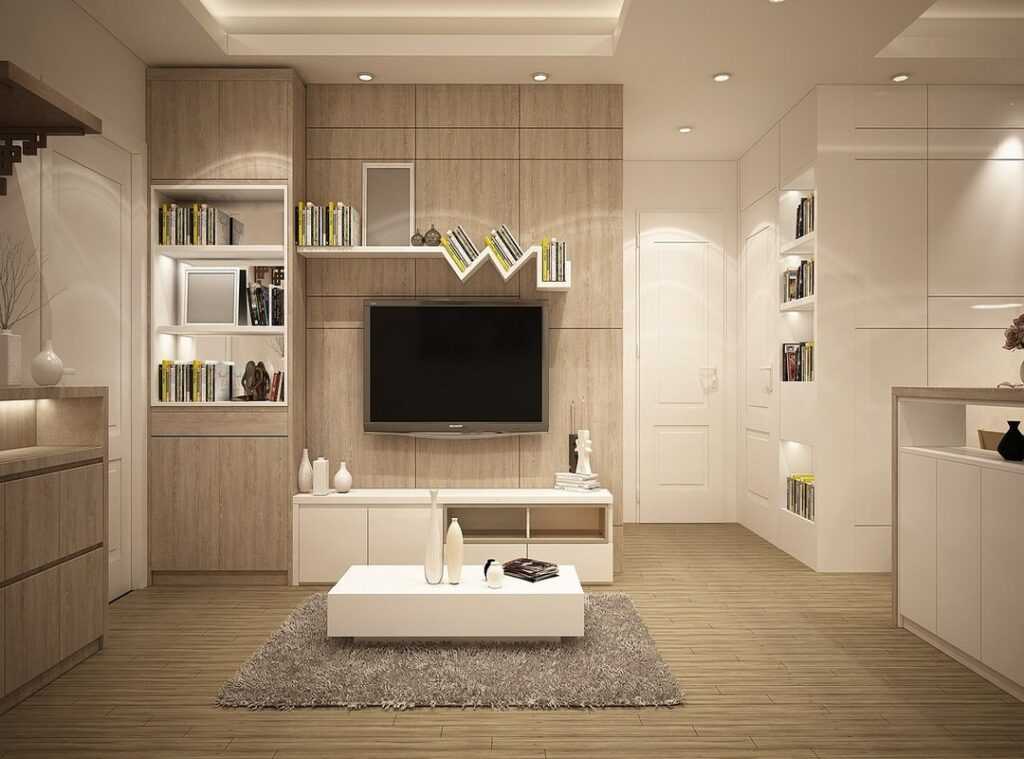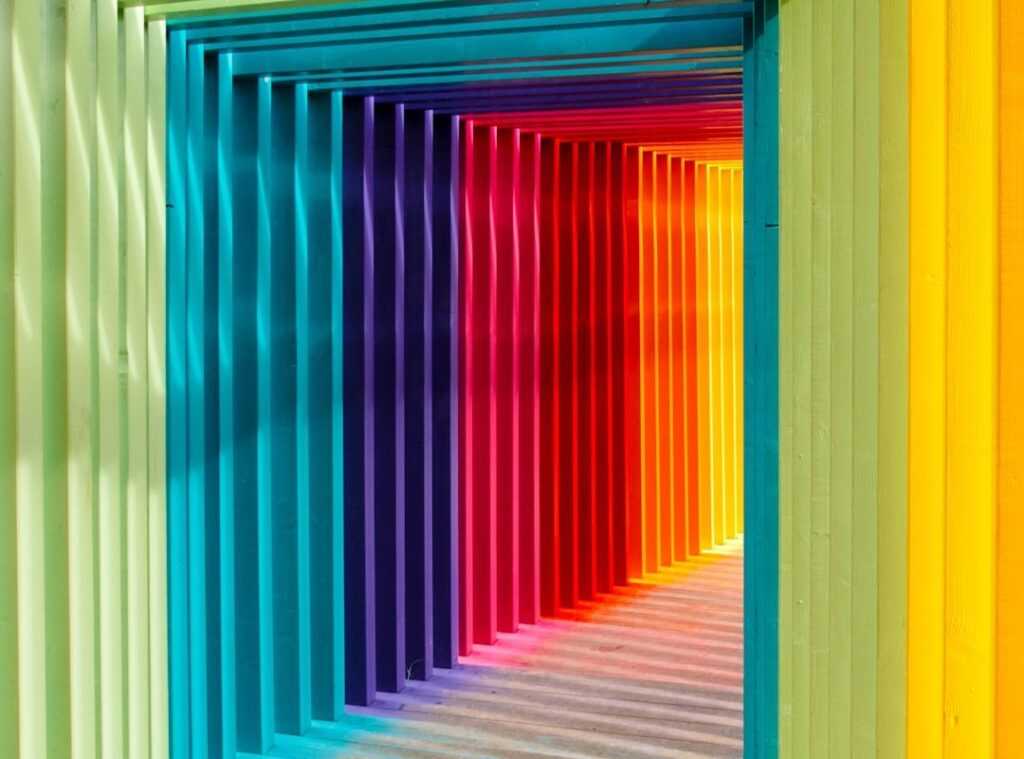
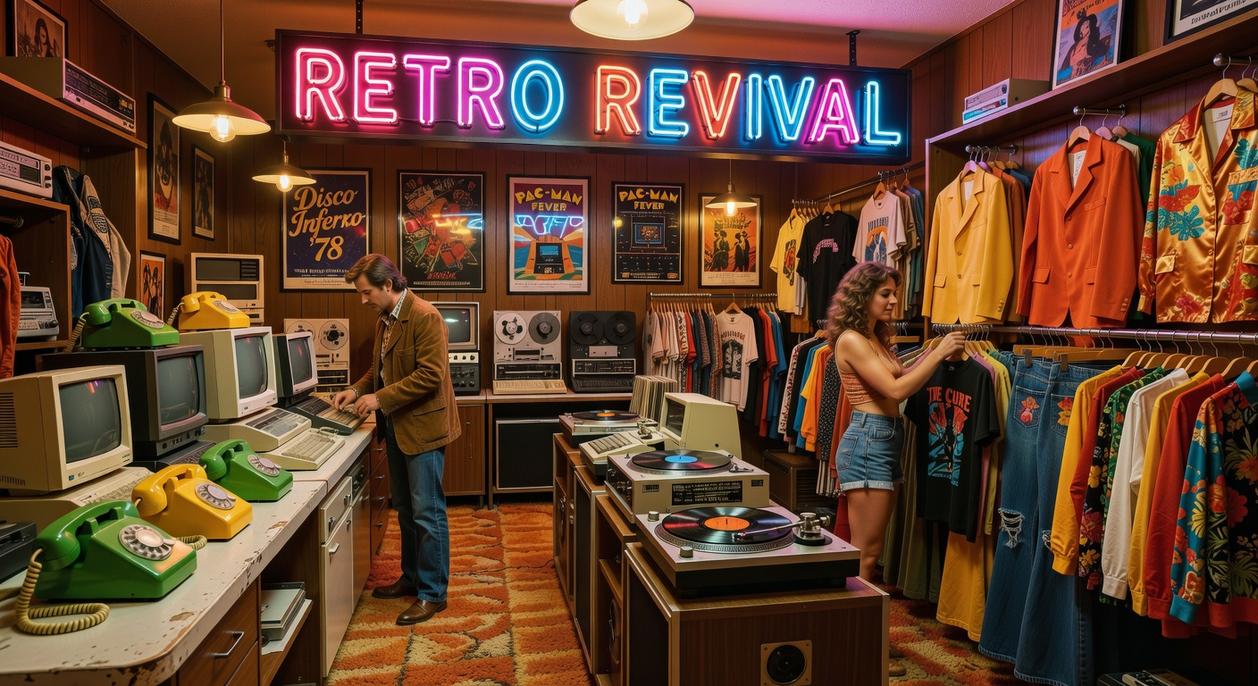
If you’ve noticed vintage curves, warm wood tones, and statement patterns reappearing in modern homes, you’re not imagining it. The retro interior design comeback is more than a passing trend—it’s a full-scale revival of character, color, and craftsmanship in today’s living spaces.
Many homeowners are searching for ways to move beyond minimal, all-white interiors and create spaces that feel personal, nostalgic, and full of life. This article is designed to help you understand why retro design is resurging, which elements are worth incorporating, and how to blend vintage inspiration with modern functionality—without overwhelming your space.
To ensure accuracy and practical value, we’ve analyzed current design trend reports, studied historical style influences, and referenced insights from experienced interior stylists who specialize in blending classic and contemporary aesthetics.
Whether you’re refreshing a single room or planning a full redesign, you’ll discover actionable ideas to confidently bring retro charm into your home.
Why Yesterday’s Design Feels So Right, Right Now Design, like fashion, moves in cycles. Today’s retro interior design comeback revives 70s curves, 80s geometry, and mid-century modern lines. However, layering them carelessly can feel like a movie set. So, start small: choose one statement piece, such as a curved sofa or geometric rug, then balance it with neutral, contemporary finishes. In addition, mix materials wood, chrome, and boucle to add depth without clutter. Finally, edit boldly; negative space keeps nostalgia intentional, not costume-like. The result feels timeless, layered, and unmistakably yours. Trust proportion and light to unify eras effortlessly beautifully.
The Curve Comeback: Embracing Soft Lines and Sculptural Forms
Straight lines had a long run. Think sharp-edged sectionals, boxy coffee tables, rigid grids. But curved furniture—serpentine sofas, circular coffee tables, arched cabinets—is redefining modern interiors.
Why? Curves soften a room’s hard edges and encourage natural movement. A circular table removes the “head of the table” effect, subtly promoting conversation. A serpentine sofa guides traffic flow instead of blocking it. In design terms, organic flow means a layout that mirrors shapes found in nature—fluid, asymmetrical, and welcoming (like the difference between a winding path and a city block).
A vs. B: Straight vs. Curved
- Boxy sofa: structured, formal, space-dividing.
- Curved sofa: inviting, fluid, conversation-friendly.
- Rectangular table: directional, linear energy.
- Round table: balanced, communal feel.
Some argue curves feel too retro or trendy. Fair point—no one wants their living room to look like a 1970s time capsule. But this retro interior design comeback works because today’s silhouettes are cleaner, scaled thoughtfully, and paired with modern materials.
Practical Styling Tip: Anchor the room with one statement piece—like a curved velvet sofa—against otherwise clean-lined decor to avoid overwhelm.
KD-Inspired Layout: In open-concept spaces, position a curved sectional to arc around a rug, forming a “room within a room.” No walls, just intention.
Color and Pattern: From Earthy Palettes to Geometric Statements
A few years ago, I inherited my aunt’s living room set—complete with avocado green cushions that screamed 1974. At first, I laughed. Then I repainted the walls a soft white, swapped in matte black lamps, and suddenly that “dated” green felt intentional. That’s when I realized the retro interior design comeback isn’t about copying the past—it’s about refining it.
Trend Spotlight: Earthy Tones
Today’s avocado green, mustard yellow, and burnt orange are softer, muddier, and far more sophisticated. Muted earthy tones (colors inspired by nature, toned down with gray or brown) add warmth without overwhelming a room. Think clay instead of traffic-cone orange. Designers at Sherwin-Williams have noted a steady rise in warm neutrals and heritage hues in recent trend reports.
Trend Spotlight: Bold Patterns
Large-scale geometric patterns—oversized lines, repeating angular shapes—are showing up in wallpaper and rugs. Used sparingly, they act like statement jewelry (yes, your wall can wear earrings).
- Start with patterned throw pillows
- Try one geometric accent wall
- Layer a bold rug over neutral flooring
The Modern Mix
Pair these expressive elements with clean whites, grays, or blacks to ground the look. Pro tip: test a single accent piece before committing. Sometimes one bold move says enough.
A Return to Nature: Incorporating Wood, Rattan, and Rich Textures
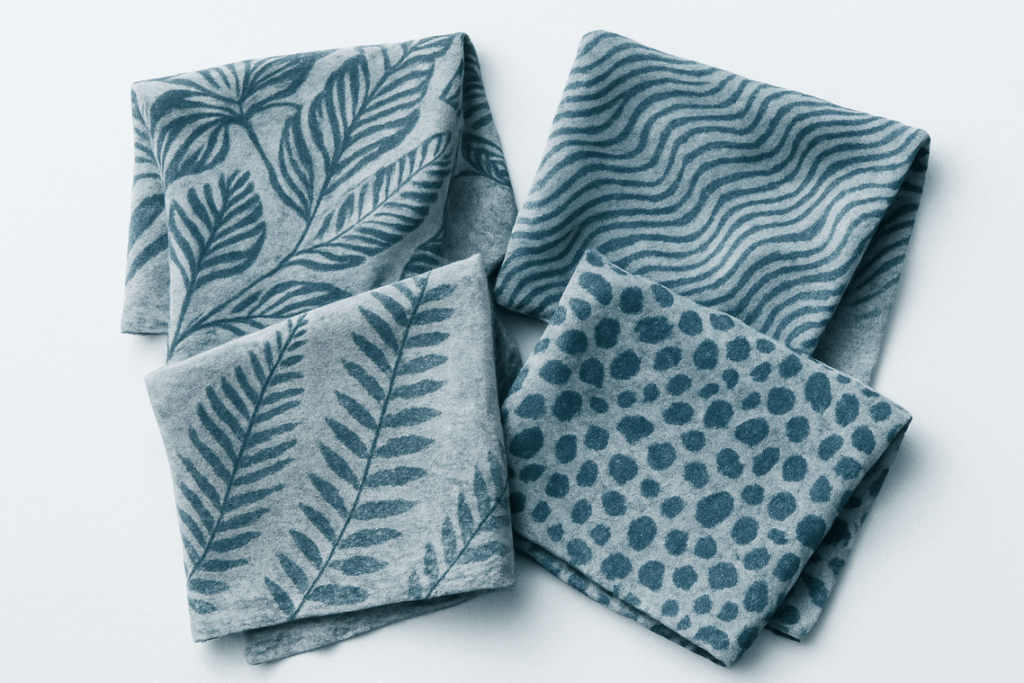
Minimalism once meant glossy whites and sharp edges. Today, it leans warmer. Think walnut and teak—dark woods with clean, mid-century modern silhouettes that feel tailored rather than bulky. Walnut vs. oak, for example, isn’t just a color choice. Walnut’s deep chocolate tone adds drama and contrast, while lighter oak feels airy and Scandinavian. One grounds a room; the other lifts it.
Texture plays the supporting role. Rattan, wicker, and boucle (a looped, nubby fabric) soften sleek lines and prevent modern interiors from feeling sterile. Compare a leather chair to a boucle armchair: leather reads polished and urban; boucle feels cozy and touchable. In a digitally saturated world, that tactile comfort matters (your eyes need a break, too).
This retro interior design comeback works because natural materials subtly reference the outdoors. Studies show exposure to natural elements indoors can reduce stress and improve well-being (American Psychological Association). Wood grains, woven fibers, and imperfect finishes whisper authenticity.
Styling Tip: Balance a dark walnut credenza with:
- Light-colored walls
- A plush, neutral rug
- Minimal brass accents
For more on restraint and balance, see exploring minimalist interior design principles and practical applications.
The Art of the Blend: Rules for Mixing Retro and Modern
Blending eras isn’t about creating a design time capsule. Instead, it’s about balance—and when you get it right, your space feels layered, personal, and effortlessly current.
Start with the 80/20 rule. In other words, anchor your room with 80% contemporary furniture and reserve 20% for retro-inspired accents. This ratio keeps your space from feeling dated while still giving it character. The benefit? You enjoy nostalgic charm without sacrificing modern comfort (because no one actually misses lumpy 1970s sofas).
Next, create cohesion through color. A consistent color palette—meaning a limited, repeating range of hues—visually ties pieces from different decades together. For example, a mid-century walnut credenza pairs beautifully with a modern cream sofa when warm neutrals flow throughout. As a result, the room feels curated, not chaotic.
Mind the scale. Scale refers to the size relationship between objects. Avoid placing a bulky retro sectional beside delicate, minimalist chairs. Balanced proportions make everything feel intentional.
Finally, focus on lighting. A globe pendant or arc lamp offers a subtle nod to the retro interior design comeback without overwhelming the space. Pro tip: install dimmers to instantly shift the mood. Ultimately, this thoughtful mix gives you timeless style with personality—Mad Men vibes, minus the cigarette smoke.
You now have the tools to confidently weave retro charm into a modern home. The retro interior design comeback proves that curved sofas, chrome accents, and earthy palettes can feel fresh when balanced with clean lines. Still wondering, “What if it looks dated next year?” That’s where scale, color cohesion, and restraint come in. Start small. For example, pair a rust-toned chair with a neutral rug (yes, less is more). Next, assess lighting and layout to keep proportions grounded. Pro tip: photograph the room to spot imbalance. This week, choose one beloved retro detail and introduce it thoughtfully. Today matters.
Embrace the Style That Brings Personality Back Home
You came here looking for clarity on the retro interior design comeback—and now you can see why it’s more than a passing trend. It’s a return to warmth, character, and expressive spaces that feel collected rather than copied.
If you’ve been struggling with rooms that feel flat, generic, or lacking personality, this movement offers the solution. Retro-inspired interiors blend bold colors, statement furniture, textured fabrics, and nostalgic accents to create spaces that feel alive again. It’s not about going backward—it’s about bringing depth and individuality forward.
Now it’s your turn to take action. Start by choosing one room and introducing a signature retro element—think curved silhouettes, vintage lighting, or patterned textiles. Layer thoughtfully. Mix old with new. Let your space tell a story.
If you want step-by-step inspiration, curated design ideas, and proven styling tips that make retro feel refined (not outdated), explore our latest interior guides today. Thousands of design lovers turn to us for practical, trend-forward home styling inspiration.
Don’t settle for bland spaces. Transform your home into something bold, expressive, and unforgettable—start designing today.
 Senior Interior Design Specialist
Ronald Sheppardivers has opinions about interior design concepts and trends. Informed ones, backed by real experience — but opinions nonetheless, and they doesn't try to disguise them as neutral observation. They thinks a lot of what gets written about Interior Design Concepts and Trends, Lifestyle Decor Inspirations, KD-Inspired Architectural Layouts is either too cautious to be useful or too confident to be credible, and they's work tends to sit deliberately in the space between those two failure modes.
Reading Ronald's pieces, you get the sense of someone who has thought about this stuff seriously and arrived at actual conclusions — not just collected a range of perspectives and declined to pick one. That can be uncomfortable when they lands on something you disagree with. It's also why the writing is worth engaging with. Ronald isn't interested in telling people what they want to hear. They is interested in telling them what they actually thinks, with enough reasoning behind it that you can push back if you want to. That kind of intellectual honesty is rarer than it should be.
What Ronald is best at is the moment when a familiar topic reveals something unexpected — when the conventional wisdom turns out to be slightly off, or when a small shift in framing changes everything. They finds those moments consistently, which is why they's work tends to generate real discussion rather than just passive agreement.
Senior Interior Design Specialist
Ronald Sheppardivers has opinions about interior design concepts and trends. Informed ones, backed by real experience — but opinions nonetheless, and they doesn't try to disguise them as neutral observation. They thinks a lot of what gets written about Interior Design Concepts and Trends, Lifestyle Decor Inspirations, KD-Inspired Architectural Layouts is either too cautious to be useful or too confident to be credible, and they's work tends to sit deliberately in the space between those two failure modes.
Reading Ronald's pieces, you get the sense of someone who has thought about this stuff seriously and arrived at actual conclusions — not just collected a range of perspectives and declined to pick one. That can be uncomfortable when they lands on something you disagree with. It's also why the writing is worth engaging with. Ronald isn't interested in telling people what they want to hear. They is interested in telling them what they actually thinks, with enough reasoning behind it that you can push back if you want to. That kind of intellectual honesty is rarer than it should be.
What Ronald is best at is the moment when a familiar topic reveals something unexpected — when the conventional wisdom turns out to be slightly off, or when a small shift in framing changes everything. They finds those moments consistently, which is why they's work tends to generate real discussion rather than just passive agreement.