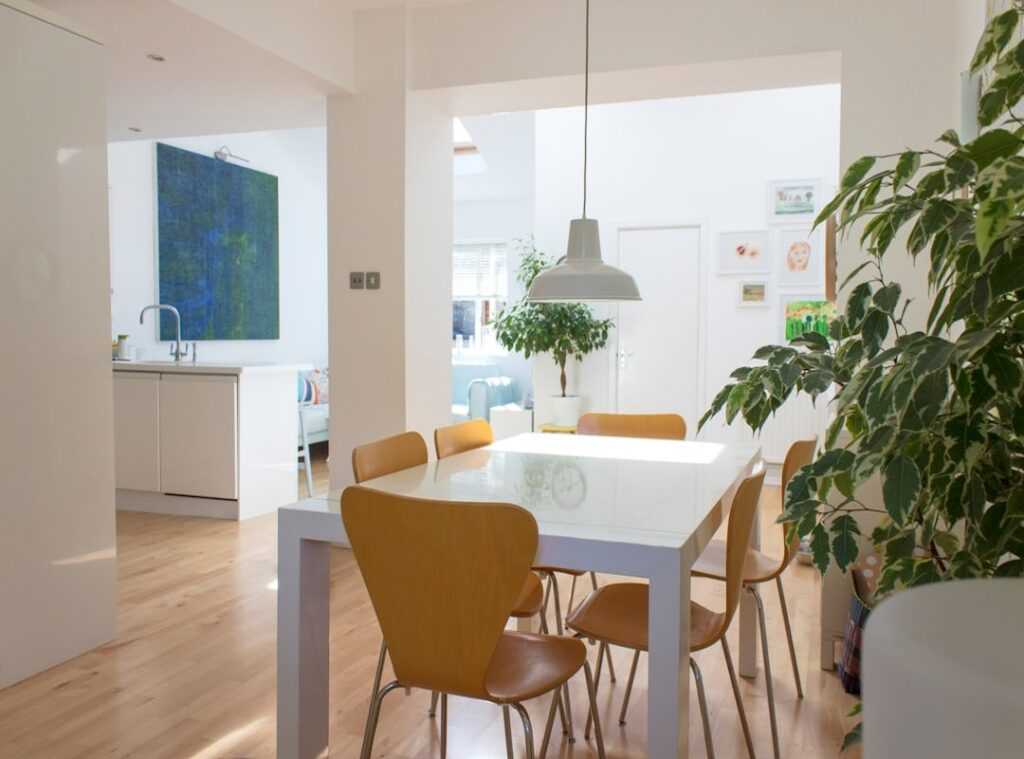

If you’re exploring dynamic residential floor plans, you’re likely searching for layouts that adapt to modern living—spaces that balance style, flexibility, and everyday functionality. Today’s homeowners want more than static room divisions; they want intelligent designs that evolve with changing needs, from remote work setups to multi-generational living and seamless indoor-outdoor flow.
This article breaks down what makes a floor plan truly dynamic, highlighting key design principles, layout strategies, and practical styling considerations that bring both beauty and efficiency into your home. We examine current architectural trends, spatial optimization techniques, and real-world applications to help you visualize what works—and why.
Our insights are grounded in in-depth research of contemporary interior design movements, architectural best practices, and practical home styling solutions. By the end, you’ll have a clear understanding of how to evaluate and implement flexible layouts that enhance comfort, functionality, and long-term value in your residential space.
Rethinking Your Walls: A New Blueprint for Modern Living
Traditional layouts force you to pick a side: open or closed. But life isn’t that binary. Instead, consider dynamic residential floor plans that flex with you. For example, sliding partitions can turn a home office into a guest room in minutes (yes, like a Murphy bed’s cousin).
While some argue walls create privacy and order, many fixed barriers waste light and space. Conversely, open concepts can amplify noise and chaos. The solution? Zoned openness—using furniture, level changes, or glass to define areas without sealing them off. Pro tip: map routines first.
Beyond Open-Concept: The Rise of the ‘Broken-Plan’ Layout
What is a ‘Broken-Plan’?
A broken-plan layout is essentially the grown-up version of open-plan living. Instead of knocking down every wall, it uses subtle architectural cues—changes in level, partial screens, or shifts in ceiling height—to create distinct zones. Think less loft warehouse, more curated gallery.
Then again, I’ve always felt completely open spaces look stunning on Instagram but fall apart during real life (ever tried taking a work call next to a blaring TV?).
Techniques for zoning range from sunken living rooms and split-level transitions to glass partitions that filter light without sealing sound. Strategic furniture placement, freestanding fireplaces, or double-sided bookshelves act as visual dividers. Even rugs can anchor a reading nook apart from the main entertainment area.
In my opinion, this approach strikes the perfect balance. It preserves spaciousness and natural light, yet introduces privacy and acoustic relief. Families gain designated zones for cooking, streaming, or quiet study—without feeling boxed in.
Admittedly, some purists argue walls solve everything. However, I believe dynamic residential floor plans reflect how we actually live: fluidly, but with boundaries. Pro tip: layer lighting to reinforce each zone’s purpose. It simply feels more human and intentional.
The Chameleon Home: Designing for Multi-Functionality

The Need for Adaptability
Modern life refuses to sit still (and neither do we). With remote work, hybrid schedules, side hustles, and at-home workouts becoming routine, rooms must shift roles throughout the day. A dining table becomes a desk by 9 a.m., a classroom by noon, and a dinner hub by six. According to Pew Research Center, over 35% of U.S. workers with jobs that can be done remotely now work from home full-time or most of the time (Pew Research, 2023). That reality demands intentional flexibility, not makeshift solutions.
Some argue open-concept living already solves this. But without structure, shared spaces can blur into cluttered chaos. True adaptability is planned—not improvised.
The “Flex Room” Concept
Enter the flex room: a space designed for transformation. Think Murphy beds that fold seamlessly into cabinetry, modular storage on concealed tracks, and smart wiring that supports both office tech and entertainment systems.
Key features often include:
- Wall beds with integrated shelving
- Modular desks that retract or expand
- Reinforced flooring for light gym equipment
The benefit? One square footage investment, multiple daily returns. (It’s the Swiss Army knife of rooms.)
Dynamic Divisions
Pocket doors, sliding glass partitions, and kinetic walls allow layouts to evolve on demand. These systems maintain openness when desired yet provide acoustic privacy when needed. Homes built with dynamic residential floor plans anticipate change instead of resisting it.
Built-in Ingenuity
Smart built-ins maximize overlooked zones: staircases with tucked-away office nooks, window seats hiding deep storage drawers, or banquettes doubling as file cabinets. These details aren’t just clever—they preserve visual calm while multiplying function. Pro tip: Prioritize concealed storage to maintain design harmony as rooms shift roles.
Erasing the Boundaries: Seamless Indoor-Outdoor Integration
Biophilic design—the practice of integrating natural elements into built environments to support well-being—has become a cornerstone of wellness-focused architecture. Studies show that exposure to natural light and greenery can reduce stress and improve cognitive function (American Psychological Association). And yet, when I first tried “bringing the outdoors in,” I made it purely aesthetic. Plants by the window. Big patio doors. It looked good—but it didn’t feel connected.
The real shift happened when I embraced internal courtyards and atriums. Unlike a standard backyard view, these features pull sunlight and greenery into the literal center of the home. Suddenly, every hallway had a view. (Turns out, nature works better when it’s not treated like a backdrop.)
Material continuity was another lesson learned the hard way. I once paired warm oak floors inside with cool gray pavers outside—visually jarring. Using the same slate tile or polished concrete across both zones creates seamless flow and strengthens dynamic residential floor plans.
Then there’s wall-to-wall glass. Floor-to-ceiling sliding or bifold systems can dissolve barriers entirely. Some argue it sacrifices privacy or energy efficiency. Fair point. But with high-performance glazing and strategic landscaping, you get openness and comfort.
For more spatial inspiration, explore modern split level concepts reimagined for contemporary living.
Intelligent Zoning: The Art of Practical and Private Spaces
Great homes don’t just look good—they WORK HARD behind the scenes. Intelligent zoning creates boundaries between public polish and private function (because nobody wants guests staring at a pile of soccer cleats).
The Modern Mudroom/Drop Zone
In regions with snowy winters or dusty suburban builds, a transition space from garage to kitchen is ESSENTIAL. Built-ins keep chaos contained:
- Floor-to-ceiling cubbies for coats and backpacks
- Ventilated shoe drawers to manage odor
- Quartz-topped benches for durability
The “Messy Kitchen” Solution
A concealed scullery—common in high-end custom builds—sits behind the show kitchen. Here, small appliances hum, dishes stack, and prep happens out of sight. Entertain in a spotless space while the real work stays hidden (restaurant-grade logic at home).
Strategic Office Placement
Place home offices away from kitchens and family rooms to improve ACOUSTIC PRIVACY. Thoughtful zoning within dynamic residential floor plans ensures focus, flow, and discretion.
Designing Your Future-Proof Home
You now have a toolkit of strategies that challenge the old blueprint mindset (walls up, life boxed in). Traditional layouts prioritize fixed rooms; in contrast, broken-plan spaces and multi-functional zones prioritize flow and choice. In other words, static versus adaptive.
Outdated floor plans assume life stays predictable. Yet real life shifts—remote work today, aging parents tomorrow. Dynamic residential floor plans embrace flexibility, meaning spaces transform without major renovation. Think of it as a Swiss Army knife home (MacGyver would approve).
Admittedly, some argue permanence ensures stability. However, flexibility actually future-proofs investment. Pro tip: design for change.
Bring Your Vision to Life with dynamic residential floor plans
You came here looking for smarter ways to design a home that feels intentional, functional, and inspiring. Now you have a clearer understanding of how layout, flow, and thoughtful styling choices can transform everyday living into something exceptional.
The real frustration isn’t just picking finishes or furniture — it’s trying to make a space truly work for your lifestyle. Poor layouts waste space, disrupt flow, and limit your home’s potential. But with dynamic residential floor plans, you can create rooms that adapt to your needs, maximize comfort, and reflect your personal style.
Now it’s time to take action. Explore design concepts that align with your vision, experiment with layout possibilities, and start mapping out a space that supports how you actually live.
If you’re ready to stop second-guessing your layout and start building a home that feels perfectly planned, explore our expertly crafted design inspirations today. Discover why homeowners trust our practical styling insights and innovative layouts to turn ideas into beautifully functional spaces — and take the first step toward a home that truly works for you.
 Founder & Creative Director
Fendric Thorvale has opinions about unique finds. Informed ones, backed by real experience — but opinions nonetheless, and they doesn't try to disguise them as neutral observation. They thinks a lot of what gets written about Unique Finds, Lifestyle Decor Inspirations, KD-Inspired Architectural Layouts is either too cautious to be useful or too confident to be credible, and they's work tends to sit deliberately in the space between those two failure modes.
Reading Fendric's pieces, you get the sense of someone who has thought about this stuff seriously and arrived at actual conclusions — not just collected a range of perspectives and declined to pick one. That can be uncomfortable when they lands on something you disagree with. It's also why the writing is worth engaging with. Fendric isn't interested in telling people what they want to hear. They is interested in telling them what they actually thinks, with enough reasoning behind it that you can push back if you want to. That kind of intellectual honesty is rarer than it should be.
What Fendric is best at is the moment when a familiar topic reveals something unexpected — when the conventional wisdom turns out to be slightly off, or when a small shift in framing changes everything. They finds those moments consistently, which is why they's work tends to generate real discussion rather than just passive agreement.
Founder & Creative Director
Fendric Thorvale has opinions about unique finds. Informed ones, backed by real experience — but opinions nonetheless, and they doesn't try to disguise them as neutral observation. They thinks a lot of what gets written about Unique Finds, Lifestyle Decor Inspirations, KD-Inspired Architectural Layouts is either too cautious to be useful or too confident to be credible, and they's work tends to sit deliberately in the space between those two failure modes.
Reading Fendric's pieces, you get the sense of someone who has thought about this stuff seriously and arrived at actual conclusions — not just collected a range of perspectives and declined to pick one. That can be uncomfortable when they lands on something you disagree with. It's also why the writing is worth engaging with. Fendric isn't interested in telling people what they want to hear. They is interested in telling them what they actually thinks, with enough reasoning behind it that you can push back if you want to. That kind of intellectual honesty is rarer than it should be.
What Fendric is best at is the moment when a familiar topic reveals something unexpected — when the conventional wisdom turns out to be slightly off, or when a small shift in framing changes everything. They finds those moments consistently, which is why they's work tends to generate real discussion rather than just passive agreement.