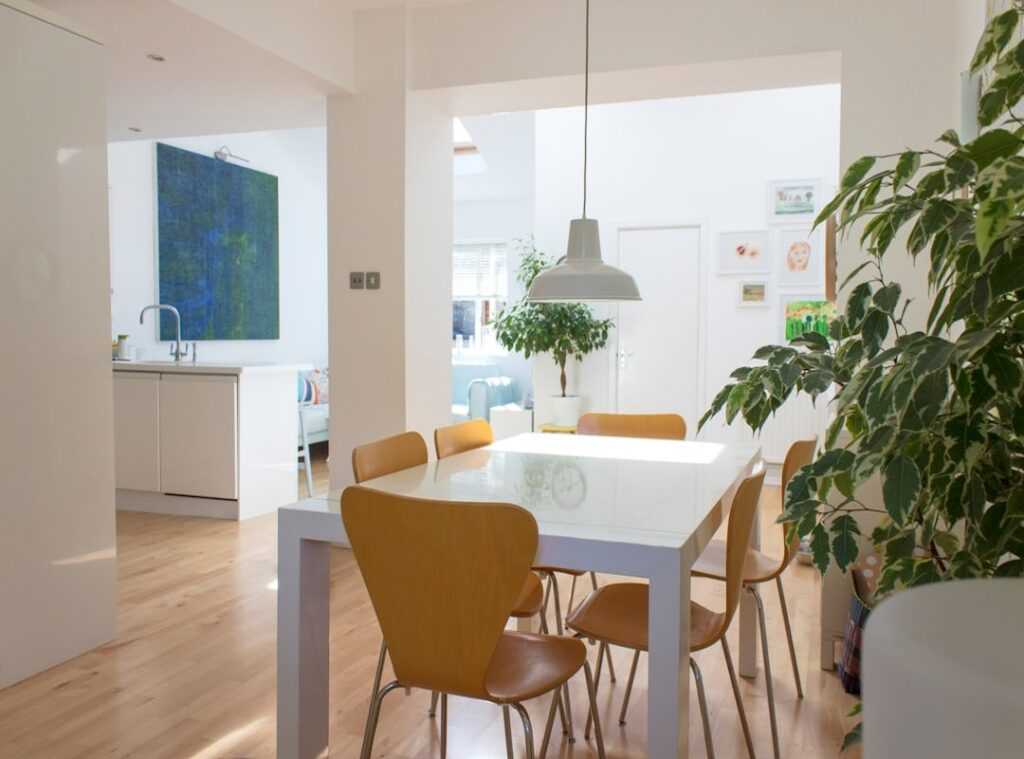
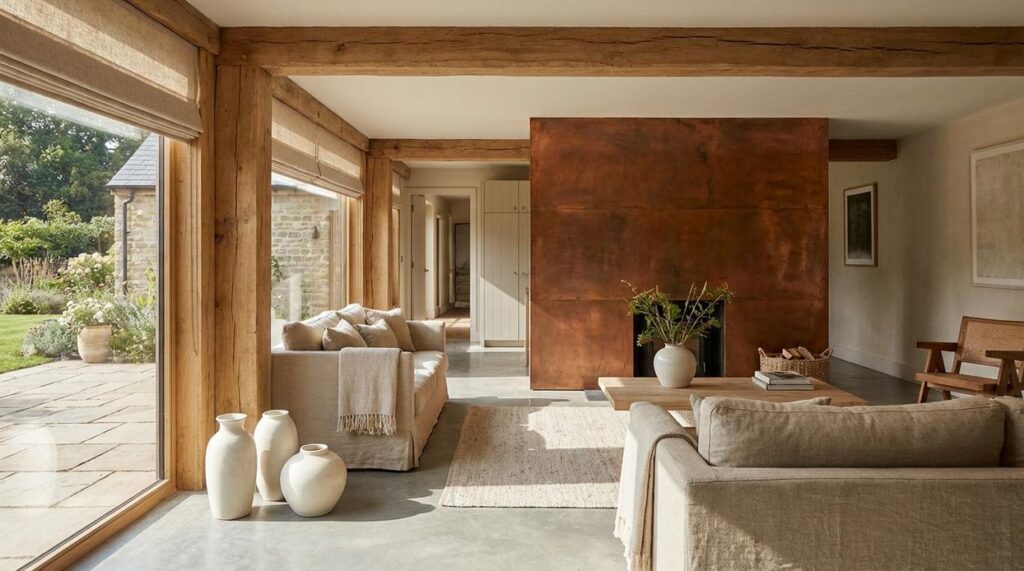
If you’re exploring modern split level home concepts, you’re likely looking for smart ways to maximize space, create visual interest, and design a home that feels both functional and architecturally striking. Split-level layouts are making a strong comeback, blending open-plan living with subtle level changes that define zones without sacrificing flow.
In this article, you’ll discover how contemporary split-level designs enhance natural light, improve spatial efficiency, and adapt to different lot sizes and lifestyles. We’ll break down key layout strategies, interior styling approaches, and practical considerations to help you decide if this design is right for your home.
Our insights are grounded in extensive research across current architectural trends, real-world residential projects, and evolving lifestyle needs. Whether you’re building from scratch or renovating, this guide will give you clear, design-focused direction you can confidently apply.
A Fresh Take on Split-Level Living
Split-level homes often carry a dated reputation, yet their staggered floors create zones for living, working, and gathering. The challenge is cohesion. Open sightlines, strategic lighting, and consistent materials can dissolve the choppy feel. Think glass railings, wide-plank floors, and color palettes that flow level to level (yes, even the once-dreaded sunken living room). Designers experimenting with modern split level home concepts suggest blending partial walls with steel-framed openings for light without sacrificing structure. Speculation: we may see split-level renovations prioritize storage and flexible micro-spaces as remote work evolves. Adaptability is the secret weapon.
Creating Connection: The Art of the Open-Concept Split-Level
Breaking Down Barriers
Removing non-structural walls between the kitchen, dining room, and living area turns three separate zones into one social hub. Closed plan vs. open plan is really about interaction: walls offer privacy and noise control, while open layouts invite conversation (and yes, expose your messy countertops). In many modern split level home concepts, eliminating barriers increases natural light penetration and improves perceived square footage. According to the National Association of Home Builders, open layouts remain a top preference among buyers for flexibility and resale appeal. Still, critics argue open spaces lack coziness. The fix? Defined zones through rugs, ceiling treatments, or furniture groupings.
Visual Flow Between Levels
Traditional wood balusters vs. glass railings is more than style—it’s about sightlines. Glass or slim steel balusters maintain visual continuity, making split levels feel unified rather than stacked. Half-walls can strike a middle ground, preserving openness without sacrificing safety. (Think “loft energy,” minus the vertigo.) Pro tip: align railing finishes with kitchen hardware for subtle cohesion.
The Unified Main Floor
Sectional sofas vs. separated seating clusters create different energy. A large sectional anchors a great room feel, while paired chairs encourage intimate chats. Layered lighting—recessed, pendants, and floor lamps—blends function with warmth. For layout inspiration, explore this open-plan guide.
A Modern Palette: Materials and Colors That Unify Your Space
I once walked into a renovation project where every level had a different color scheme—cool gray upstairs, beige downstairs, and a bold blue basement. It felt less like a home and more like a paint sampler gone rogue (we’ve all been tempted). That experience taught me this: cohesion starts with a calm foundation.
Foundation of Neutrals
Begin with warm whites, soft grays, and earthy tones. These shades act as visual breathing room—colors that recede rather than shout. A warm white, for example, reflects light without feeling sterile, while greige (a gray-beige blend) bridges modern and traditional styles. Designers often note that neutral palettes increase perceived space and light flow (Architectural Digest). In homes inspired by modern split level home concepts, this consistency is especially important because sightlines travel across levels.
The Power of Texture and Tone
Next, layer in natural materials. Wide-plank white oak flooring adds warmth underfoot. A slate fireplace wall introduces depth. Concrete or matte black metal accents provide contrast without chaos. Texture, in design terms, refers to how a surface feels—or appears to feel—and it keeps neutral spaces from falling flat.
Strategic Color Pops
Of course, some argue bold color everywhere shows personality. I disagree. Instead, try a deep green kitchen island or a terracotta front door. Strategic accents energize without overwhelming.
Consistency Is Key
Finally, carry the same flooring and wall color across adjacent levels. Continuity creates flow, making transitions feel intentional. For entry impact, explore designing statement entryways with bold structural elements. Pro tip: test paint in natural and evening light before committing.
Natural light is more than a design feature; it’s a mood enhancer, energy saver, and spatial illusionist. In modern split level home concepts, brightness can transform staggered floors into one cohesive, uplifting experience.
Architectural Adjustments for Light
- Enlarge existing windows to frame the outdoors like a cinematic widescreen—think of the golden-hour glow in a Christopher Nolan finale.
- Add skylights to vaulted ceilings; they pull daylight deep inside, reducing reliance on artificial lighting (the electric bill will thank you).
- Install solar tubes in dim hallways to channel sunlight where traditional windows can’t.
Emphasize Verticality
Draw the eye upward with floor-to-ceiling curtains, tall, narrow bookcases, and statement pendant lights cascading through the central stairwell—very “Let It Go” energy, but make it architectural. These gestures visually stretch ceiling height, making compact levels feel expansive.
Reflective Surfaces
Strategically placed mirrors opposite windows bounce light across darker lower levels, while high-gloss finishes on cabinetry or trim amplify brightness. Some argue mirrors can feel excessive; however, when proportioned thoughtfully, they create depth without clutter. Pro tip: position mirrors to reflect greenery, not blank walls, for a livelier effect.
Together, these strategies let there be light—and space that feels ready for its close-up.
Zoning for Modern Life: A Purpose for Every Level
A well-zoned home doesn’t just look organized—it feels better to live in. Starting with the lower level, you can reimagine it as far more than a dim storage zone. Transform it into a bright home office, a media room, a home gym, or even a guest suite with a proper egress window. The benefit? You gain functional square footage that works as hard as you do.
Meanwhile, the main level becomes the social heartbeat. By clearly defining spaces for cooking, dining, and relaxing, you create flow and reduce daily friction. Everyone knows where life happens—and that clarity makes gatherings smoother and weeknights calmer.
Finally, the upper level serves as your sanctuary. Keeping bedrooms tucked away from busier areas supports deeper rest and real privacy. That separation, often highlighted in modern split level home concepts, ensures each floor has a purpose—so your home supports your lifestyle, not the other way around.
Your Split-Level Blueprint for Contemporary Living
A split-level home is less a maze and more a stage set waiting for the curtain to rise. The secret lies in openness, a cohesive material palette, light, and defined zones that flow like scenes in a film. When these elements align, modern split level home concepts transform staggered floors into a layered story rather than chopped chapters.
- One cohesive design language.
Think of each level as a verse in one song, distinct yet harmonized.
What seems awkward is opportunity—rhythm and drama.
Walk your space with eyes and sketch changes to unlock its potential.
By now, you’ve explored how modern split level home concepts can transform the way you think about space, flow, and functionality. Your goal was to find inspiration that feels stylish yet practical—and now you can clearly see how layered layouts, intentional zoning, and cohesive decor choices bring both beauty and purpose into your home.
If you’ve been struggling with awkward layouts, disconnected rooms, or a home that just doesn’t feel cohesive, the right split-level strategy solves that. Thoughtful transitions, balanced materials, and smart styling choices turn level changes into design advantages instead of design challenges.
Bring Your Vision to Life
Don’t let layout confusion or design overwhelm hold you back. Start reimagining your space with proven ideas inspired by modern split level home concepts that blend structure and style seamlessly. Explore more curated layout ideas, practical styling guides, and fresh decor inspiration to confidently redesign your home. Discover what’s possible—and take the first step toward a space that finally feels complete.
 Senior Interior Design Specialist
Ronald Sheppardivers has opinions about interior design concepts and trends. Informed ones, backed by real experience — but opinions nonetheless, and they doesn't try to disguise them as neutral observation. They thinks a lot of what gets written about Interior Design Concepts and Trends, Lifestyle Decor Inspirations, KD-Inspired Architectural Layouts is either too cautious to be useful or too confident to be credible, and they's work tends to sit deliberately in the space between those two failure modes.
Reading Ronald's pieces, you get the sense of someone who has thought about this stuff seriously and arrived at actual conclusions — not just collected a range of perspectives and declined to pick one. That can be uncomfortable when they lands on something you disagree with. It's also why the writing is worth engaging with. Ronald isn't interested in telling people what they want to hear. They is interested in telling them what they actually thinks, with enough reasoning behind it that you can push back if you want to. That kind of intellectual honesty is rarer than it should be.
What Ronald is best at is the moment when a familiar topic reveals something unexpected — when the conventional wisdom turns out to be slightly off, or when a small shift in framing changes everything. They finds those moments consistently, which is why they's work tends to generate real discussion rather than just passive agreement.
Senior Interior Design Specialist
Ronald Sheppardivers has opinions about interior design concepts and trends. Informed ones, backed by real experience — but opinions nonetheless, and they doesn't try to disguise them as neutral observation. They thinks a lot of what gets written about Interior Design Concepts and Trends, Lifestyle Decor Inspirations, KD-Inspired Architectural Layouts is either too cautious to be useful or too confident to be credible, and they's work tends to sit deliberately in the space between those two failure modes.
Reading Ronald's pieces, you get the sense of someone who has thought about this stuff seriously and arrived at actual conclusions — not just collected a range of perspectives and declined to pick one. That can be uncomfortable when they lands on something you disagree with. It's also why the writing is worth engaging with. Ronald isn't interested in telling people what they want to hear. They is interested in telling them what they actually thinks, with enough reasoning behind it that you can push back if you want to. That kind of intellectual honesty is rarer than it should be.
What Ronald is best at is the moment when a familiar topic reveals something unexpected — when the conventional wisdom turns out to be slightly off, or when a small shift in framing changes everything. They finds those moments consistently, which is why they's work tends to generate real discussion rather than just passive agreement.