If you’re searching for ways to create a seamless flow between your living spaces and the outdoors, you’re in the right place. This article explores how indoor outdoor home integration can transform the way you experience your home—enhancing natural light, improving functionality, and elevating everyday comfort. From architectural layout considerations to decor choices and practical styling tips, we break down the essential elements that make connected spaces feel intentional rather than improvised.
Many homeowners struggle to balance aesthetics with practicality when blending interior and exterior areas. Here, you’ll find clear, experience-backed guidance rooted in real-world design principles, current lifestyle trends, and thoughtful spatial planning. We draw on proven interior concepts and architectural insights to ensure every recommendation is both inspiring and achievable.
By the end, you’ll understand how to unify materials, maximize transitions, and design spaces that feel expansive, cohesive, and effortlessly livable.
Blurring the Lines: Your Guide to Indoor-Outdoor Harmony
Many homes treat patios like afterthoughts, yet architecture can dissolve those barriers. Sliding glass walls with low-profile tracks expand sightlines, while matching flooring materials—porcelain tile rated for exterior frost resistance—create visual continuity. That’s indoor outdoor home integration in action, turning square footage into lifestyle space.
Consider:
- Covered pergolas with adjustable louvers for climate control
- Weatherproof performance fabrics that mirror indoor textiles
- Layered lighting—recessed, sconces, and pathway LEDs—for ambiance
Critics argue renovations are costly, but even repainting doors to match garden tones strengthens flow. The result? A breathable, cohesive home environment.
Foundational Flow: The Architectural Keys to Connection
Have you ever walked into a home and felt the outdoors pulling you in before you even stepped outside? That’s not an accident. It’s architectural intention.
Large Glass Doors: The Ultimate Connector
Sliding glass walls, bi-fold doors, and classic French doors each reshape how a home breathes. Sliding systems offer clean sightlines and minimal visual interruption (great for modern builds), while bi-fold doors fold away dramatically, turning an entire wall into open air. French doors, though narrower, bring symmetry and charm—think Nancy Meyers movie kitchens opening to a sunlit patio. The trade-off? Larger systems can be costly and require structural support. But when closed, they still preserve views—so why settle for a standard door?
Window Walls and Clerestory Windows
Expansive glazing turns nature into living artwork. Window walls flood interiors with daylight, reducing reliance on artificial lighting (studies show natural light can improve mood and productivity; Harvard Health). Clerestory windows—those set high near the ceiling—invite light while protecting privacy. Ever wondered why some rooms feel instantly uplifting? Often, it’s the light doing the heavy lifting.
Pass-Through Windows and Servery Bars
Love hosting? A pass-through window creates a seamless exchange between kitchen and patio. No more weaving through doorways with trays. It’s functional flair that makes indoor outdoor home integration effortless.
Material Continuity
Using the same tile or sealed concrete inside and out visually erases thresholds. The eye reads it as one continuous plane. Sound subtle? It’s powerful. Pro tip: ensure exterior materials are slip-resistant for safety.
Designing a Unified Aesthetic: Color, Texture, and Furnishings
Creating a seamless flow between your interior and exterior starts with intention. A unified aesthetic isn’t about matching everything perfectly—it’s about thoughtful repetition and balance.
The Cohesive Color Palette
Begin outside. Look at permanent elements like stonework, roofing, pathways, and foliage. These fixed features should guide your palette. For example, if your garden has cool gray slate and soft green shrubs, echo those tones indoors through wall paint, upholstery, or accent decor.
Step-by-step approach:
- Identify 2–3 dominant outdoor colors.
- Choose one as your primary indoor base (walls or large furniture).
- Use the others in textiles, art, or cabinetry.
This creates subtle continuity—like a film set where every detail feels intentional (think Nancy Meyers kitchens with garden views). If you’re planning layouts, understanding kd inspired architectural layouts and their core principles can help align spatial flow with color harmony.
Textural Storytelling
Texture is the unsung hero of design. Pair smooth interior finishes (like polished concrete or satin paint) with rustic exterior stone for contrast. Or repeat warm wood tones in both decking and dining tables.
Actionable tip: If your patio features rough travertine, bring in a linen sofa or woven rug indoors to echo that organic feel. This layering builds sensory connection without visual overload.
Furniture that Bridges the Gap
Select outdoor pieces that mirror your indoor style. If your living room leans modern, avoid ornate wrought iron outside. Instead, opt for clean-lined teak or powder-coated aluminum with plush cushions.
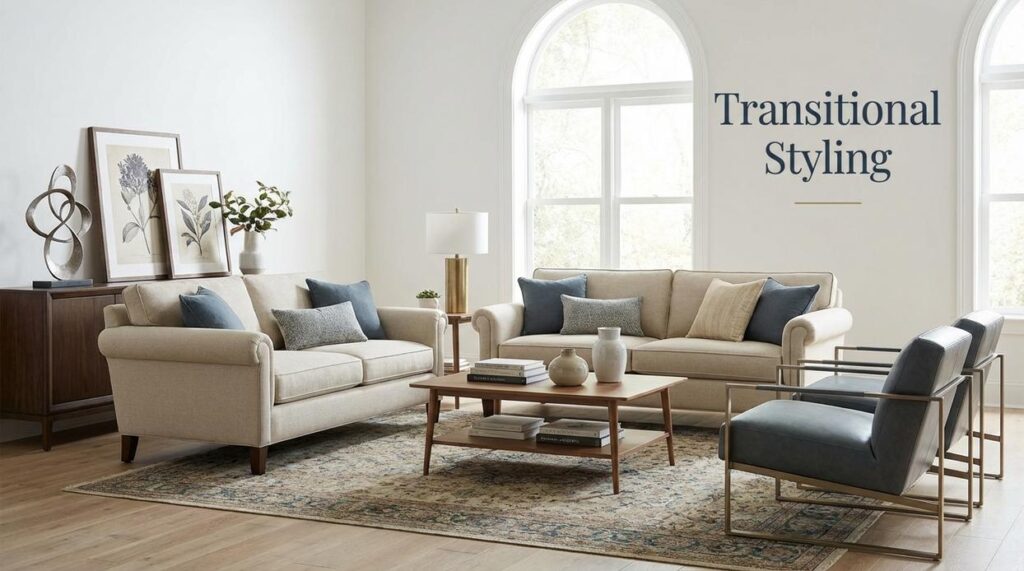
“Transitional furniture” refers to pieces designed for covered outdoor spaces—deep seating with weather-resistant fabric that feels just as comfortable as your indoor sofa. Pro tip: Performance fabrics like solution-dyed acrylic resist fading and moisture (Consumer Reports, 2023).
Bringing the Outdoors In
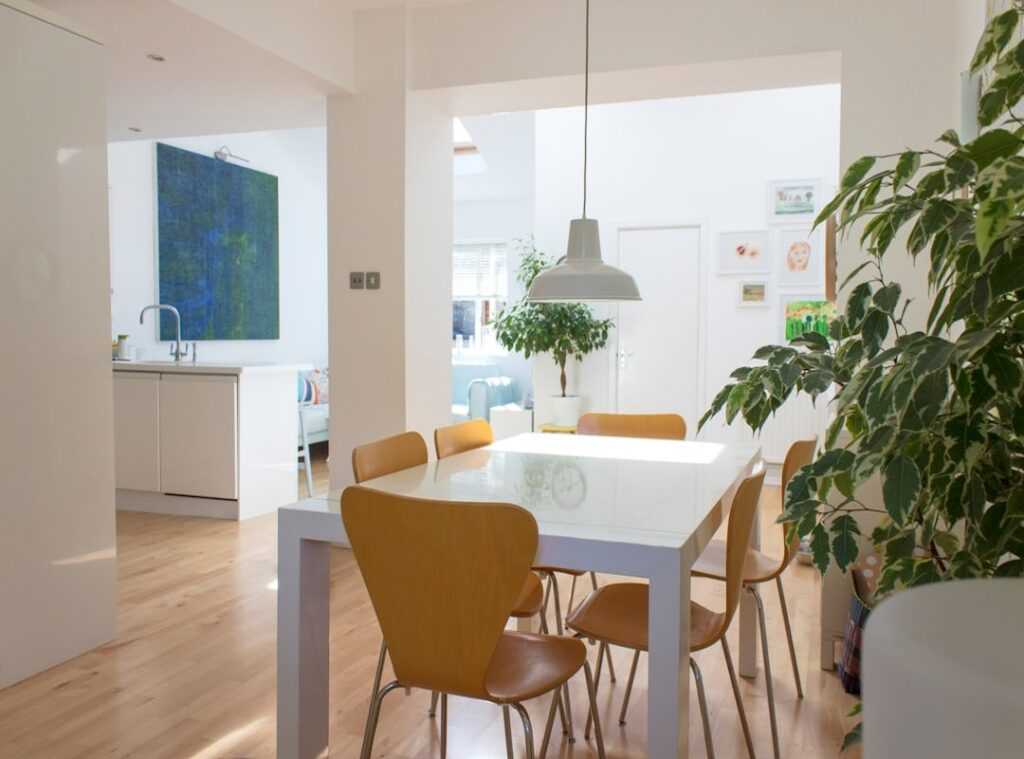
Complete your indoor outdoor home integration with houseplants, rattan accents, linen drapery, and botanical prints. A fiddle-leaf fig beside a sliding door or woven pendants over a dining table subtly blur boundaries.
When color, texture, and furnishings align, the transition feels effortless—like the house is simply breathing with its surroundings.
The Art of Transition: Styling Thresholds and Outdoor Rooms
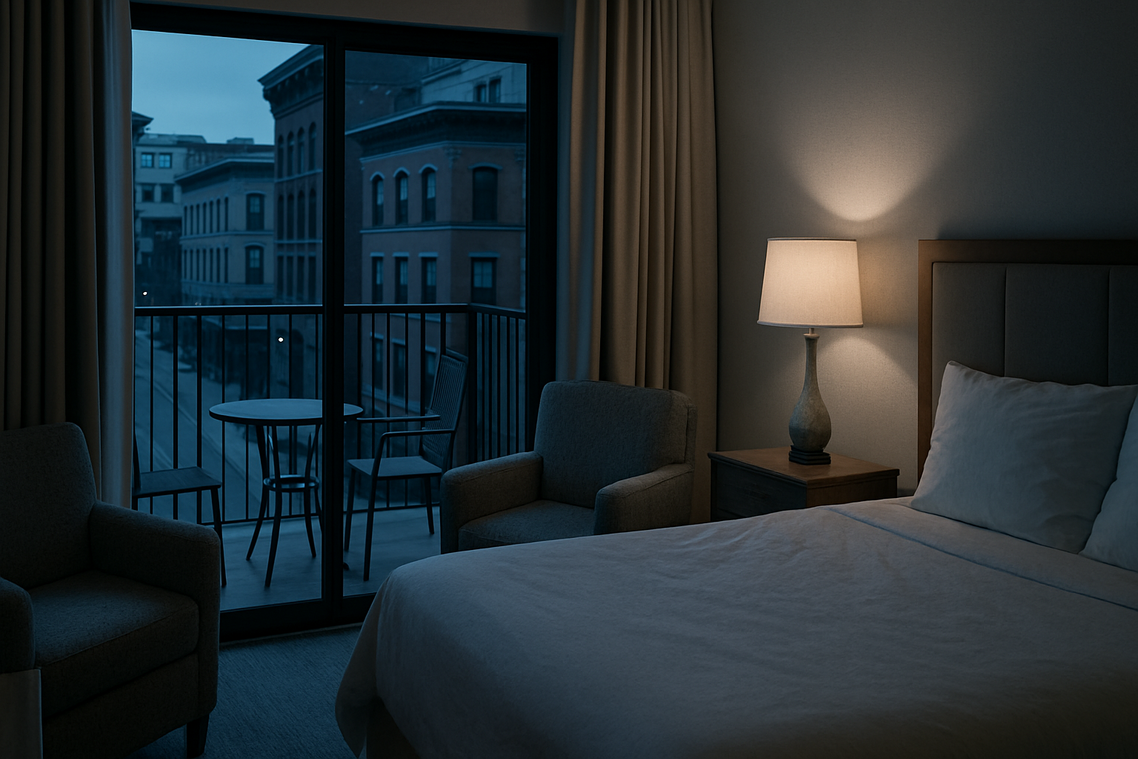
Designing a seamless transition between your home and yard starts with understanding the “outdoor room” concept. An outdoor room simply means treating exterior space as if it has walls, purpose, and personality—just like your living room. For example, you might define a dining zone with an all-weather area rug (yes, they exist), anchor it with a table and chairs, and frame it overhead with a pergola. Suddenly, it feels intentional rather than accidental. Likewise, arranging lounge seating around a coffee table creates a conversational hub instead of scattered furniture.
However, some argue that outdoor spaces should feel wild and unstructured. That’s fair—nature isn’t a showroom. Yet thoughtful zoning doesn’t erase organic beauty; it simply guides it. Think of it as giving the space a gentle outline.
Next, consider lighting. A layered lighting strategy means combining different types of light for different purposes. Ambient lighting softly illuminates pathways for safety. Task lighting brightens cooking areas so you can actually see what’s on the grill. Accent lighting highlights plants or architectural features (a little spotlight drama never hurts). Together, these layers keep the space inviting long after sunset.
Equally important, accessorizing with purpose strengthens the connection. Repeating throw pillow fabrics, lantern finishes, or color palettes indoors and out creates visual continuity. This is indoor outdoor home integration in action—subtle but powerful.
Finally, treat landscaping as interior design. Planting beds that hug the house or planters that mirror indoor pots tie everything together. In short, your garden isn’t separate from your home—it’s the opening chapter.
Embracing a Lifestyle Without Walls
Now that you have the framework, it’s time to live it. Instead of a home chopped into rooms, imagine sightlines, shared materials, and light that travels uninterrupted. That shift—from compartmentalized to cohesive—defines indoor outdoor home integration.
Many design guides stop at sliding doors. However, the advantage lies in layering: matching floor heights, echoing ceiling treatments, and aligning furniture scales so spaces converse naturally. In other words, structure and styling must collaborate.
Start small. For example, repeat interior color palette in weatherproof textiles or planters. Over time, expand to architectural moves. Gradually, your home will breathe.
Bring Your Space Together with Confidence
You started this journey looking for practical ways to create harmony between your interiors and exteriors — and now you have a clear path forward. From layout flow to material choices and cohesive decor, you’ve seen how thoughtful indoor outdoor home integration can completely transform the way your space looks and feels.
Disconnected rooms, underused patios, and mismatched design elements can make even beautiful homes feel incomplete. The good news? With the right design approach, your home can feel larger, brighter, and more functional — without a full rebuild.
Now it’s time to take action. Start by evaluating one transition space — your patio doors, balcony, or backyard entry — and apply the principles you’ve learned. If you’re ready for expert-backed inspiration trusted by design enthusiasts and homeowners alike, explore more curated concepts and styling guidance today.
Don’t let your indoor and outdoor spaces feel divided. Create a seamless flow, elevate your lifestyle, and turn your home into a unified retreat — start planning your transformation now.
 Senior Interior Design Specialist
Ronald Sheppardivers has opinions about interior design concepts and trends. Informed ones, backed by real experience — but opinions nonetheless, and they doesn't try to disguise them as neutral observation. They thinks a lot of what gets written about Interior Design Concepts and Trends, Lifestyle Decor Inspirations, KD-Inspired Architectural Layouts is either too cautious to be useful or too confident to be credible, and they's work tends to sit deliberately in the space between those two failure modes.
Reading Ronald's pieces, you get the sense of someone who has thought about this stuff seriously and arrived at actual conclusions — not just collected a range of perspectives and declined to pick one. That can be uncomfortable when they lands on something you disagree with. It's also why the writing is worth engaging with. Ronald isn't interested in telling people what they want to hear. They is interested in telling them what they actually thinks, with enough reasoning behind it that you can push back if you want to. That kind of intellectual honesty is rarer than it should be.
What Ronald is best at is the moment when a familiar topic reveals something unexpected — when the conventional wisdom turns out to be slightly off, or when a small shift in framing changes everything. They finds those moments consistently, which is why they's work tends to generate real discussion rather than just passive agreement.
Senior Interior Design Specialist
Ronald Sheppardivers has opinions about interior design concepts and trends. Informed ones, backed by real experience — but opinions nonetheless, and they doesn't try to disguise them as neutral observation. They thinks a lot of what gets written about Interior Design Concepts and Trends, Lifestyle Decor Inspirations, KD-Inspired Architectural Layouts is either too cautious to be useful or too confident to be credible, and they's work tends to sit deliberately in the space between those two failure modes.
Reading Ronald's pieces, you get the sense of someone who has thought about this stuff seriously and arrived at actual conclusions — not just collected a range of perspectives and declined to pick one. That can be uncomfortable when they lands on something you disagree with. It's also why the writing is worth engaging with. Ronald isn't interested in telling people what they want to hear. They is interested in telling them what they actually thinks, with enough reasoning behind it that you can push back if you want to. That kind of intellectual honesty is rarer than it should be.
What Ronald is best at is the moment when a familiar topic reveals something unexpected — when the conventional wisdom turns out to be slightly off, or when a small shift in framing changes everything. They finds those moments consistently, which is why they's work tends to generate real discussion rather than just passive agreement.