

Great design isn’t just about how a space looks — it’s about how it feels, functions, and reflects the people who live in it. If you’re searching for fresh interior design concepts, lifestyle décor inspiration, or practical ways to elevate your home, this article brings together thoughtful ideas that blend style with livability.
From KD-inspired architectural layouts to the careful selection of handcrafted furniture pieces, we explore how intentional design choices can transform ordinary rooms into refined, personal spaces. Whether you’re redesigning a single corner or planning a full home refresh, you’ll find actionable styling tips grounded in real-world functionality.
Our insights draw from deep study of spatial planning principles, evolving décor trends, and timeless architectural techniques — ensuring that every recommendation is both aesthetically compelling and practically achievable. By the end, you’ll have clear inspiration and confident direction to create a home that feels curated, cohesive, and uniquely yours.
The Soul of a Space
Have you ever walked into a room that felt cold, like a showroom frozen in time? Mass-produced tables and sofas often look perfect, yet somehow empty. In contrast, a carved oak bench or hand-stitched chair carries quirks, history, and warmth. So how do you give your home that depth? Start by choosing handcrafted furniture pieces that tell a story. After all, don’t you want guests to ask where something came from? Ultimately, these objects anchor a space, turning predictable decor into a lived-in narrative that feels unmistakably yours. That is the difference authenticity makes. Everywhere.
Beyond the label, artisan-made is more than “made by hand.” True craftsmanship relies on traditional techniques like dovetail joinery, hand-planing, and natural oil finishes—methods that prioritize strength and longevity over speed. I once assumed that if it looked rustic, it was authentic. However, after commissioning a piece that warped within months, I learned the hard way that technique matters as much as aesthetics.
Material choice is another dividing line. Solid woods such as oak, walnut, and cherry offer durability and character, while veneers, MDF (medium-density fiberboard), and particleboard often sacrifice lifespan for cost efficiency. At first, I opted for a veneered cabinet thinking no one would notice. Eventually, the bubbling surface proved otherwise. Artisans, by contrast, select boards for grain pattern, stability, and how the wood will age over decades.
Then there’s the human element. Slight tool marks, subtle asymmetry, even a maker’s signature style—these are not flaws but fingerprints. Factory items may look flawless, yet that uniformity can feel sterile (like a movie set that’s all façade). In my experience, embracing small imperfections in handcrafted furniture pieces taught me to value story over symmetry. Pro tip: always ask how the wood was sourced and finished. It truly makes difference.
An Investment in Longevity: The Enduring Value of Handcrafted Pieces
Back in 2019, when supply chain delays left big-box stores half empty, many homeowners began reconsidering what “quality” really meant. Suddenly, waiting twelve weeks for a solid oak table didn’t seem unreasonable. And for good reason.
Built to Last Generations
Artisan furniture is built on structural integrity—meaning the strength comes from traditional joinery (how wood pieces interlock without relying solely on screws or glue) and solid hardwoods. Mortise-and-tenon joints, for example, have been used for centuries because they distribute weight evenly and resist warping. Unlike mass-produced particleboard, these pieces can be repaired, refinished, and restored decades later. Critics argue that cheaper furniture is more practical because styles change. Fair point. But disposable furniture rarely survives a single move, let alone a generation.
Timeless Design
Trends shift quickly—remember the all-gray interiors of the early 2020s? In contrast, well-proportioned, handcrafted furniture pieces often follow classic design principles like balance and symmetry. They anchor a room rather than chase fads.
Sustainability and Story
Moreover, locally sourced solid wood reduces transportation emissions (EPA data has long highlighted freight as a major contributor to greenhouse gases). Supporting local makers strengthens regional economies. And knowing who shaped the grain beneath your fingertips? That story only grows richer with time. (Pro tip: ask about the wood’s origin before purchasing.)
A Designer’s Eye: How to Spot True Quality and Craftsmanship
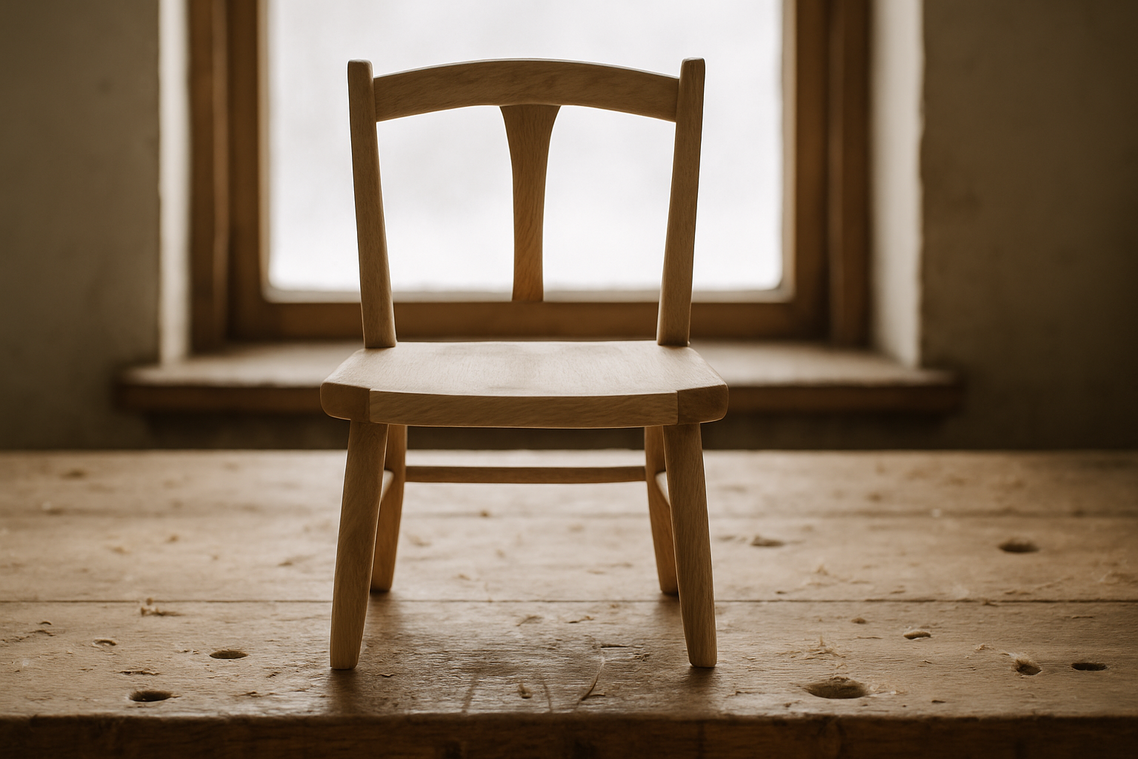
I once bought a “solid wood” side table that looked perfect under showroom lighting. Two weeks later, it wobbled like a bad restaurant table (you know the kind). That experience taught me this: quality reveals itself in the details—if you know how to look.
The Touch Test
First, use your hands. Run your fingers along the surface. A well-finished piece should feel smooth, not plasticky or gritty. Gently press on corners and edges—there should be no flexing or wobbling. Then, lift it slightly. Solid wood has reassuring weight. If it feels suspiciously light, it may be veneer over particleboard (a common cost-cutting method).
Examine the Joints
Next, crouch down and look underneath. Strong joinery—like dovetail joints (interlocking wedge-shaped cuts) or mortise-and-tenon joints (a fitted tongue-and-slot connection)—signals durability. In contrast, visible staples, excessive glue, or random screws often point to mass production. Some argue modern fasteners are “just as strong.” Occasionally true. But historically, traditional joints have lasted centuries (see surviving Shaker and Japanese furniture).
Check the Finish
Now, study the finish. A hand-rubbed oil or wax finish penetrates the wood, enhancing the grain. Cheap lacquer sits on top like a shell and may chip or peel over time. If the surface looks overly glossy and feels thick, be cautious.
Ask the Right Questions
Finally, ask: What type of wood is this? What joinery techniques were used? What is the finish? Sellers of handcrafted furniture pieces should answer confidently.
For more inspiration on elevating your space, explore statement lighting designs you have to see to believe.
Styling with Soul: Weaving Artisan Furniture into Your Home
I’ve always believed a room needs a hero. Not ten. One. The “Statement Piece” Strategy is simple: start with a dining table, a credenza, or a bookshelf that commands attention and let it anchor everything else. When you design around handcrafted furniture pieces, the space instantly feels grounded and intentional (like the set designer actually read the script).
Some argue that mixing styles creates visual chaos. I disagree. Pairing a rustic wooden table with minimalist chairs or a sleek modern sofa keeps things from feeling dated. Contrast creates tension, and tension creates interest. Think mid-century meets modern loft—unexpected, but RIGHT.
Most importantly, let it breathe. Don’t crowd it with fussy decor or competing textures. Negative space—intentional empty areas that give the eye a rest—turns a functional item into art. Less truly is more here.
Trust the piece to carry the room.
Crafting your personal sanctuary begins with a choice. As one homeowner told me, “I stopped buying fast furniture when I realized my home felt temporary.” In other words, mass-market convenience rarely tells your story. Instead, handcrafted furniture pieces invite character, patience, and pride.
By focusing on materials, joinery, and finish, you shift from impulse to intention. “Check the joints,” a carpenter once said, “they reveal everything.” Likewise, run your hand across the grain and notice the details.
So, rather than asking what fills a room, ask what defines it. Begin the search not for furniture, but for home’s future centerpiece.
Bring Your Space to Life with Confidence
You came here looking for clarity and inspiration to elevate your space with thoughtful design, practical styling, and architectural ideas that actually work. Now you have a clearer vision of how intentional layouts, balanced decor, and handcrafted furniture pieces can transform an ordinary room into a cohesive, expressive home.
A beautifully designed space isn’t just about aesthetics—it solves the frustration of mismatched decor, awkward layouts, and rooms that never quite feel “finished.” With the right guidance and inspiration, your home can reflect your personality while remaining functional and timeless.
Now it’s time to take action. Explore more design concepts, apply these styling principles to one room this week, and start incorporating statement elements that anchor your space with purpose. Join thousands of design enthusiasts who trust our proven inspiration to turn ideas into stunning interiors. Don’t let another room feel incomplete—start designing your upgraded space today.
 Senior Interior Design Specialist
Ronald Sheppardivers has opinions about interior design concepts and trends. Informed ones, backed by real experience — but opinions nonetheless, and they doesn't try to disguise them as neutral observation. They thinks a lot of what gets written about Interior Design Concepts and Trends, Lifestyle Decor Inspirations, KD-Inspired Architectural Layouts is either too cautious to be useful or too confident to be credible, and they's work tends to sit deliberately in the space between those two failure modes.
Reading Ronald's pieces, you get the sense of someone who has thought about this stuff seriously and arrived at actual conclusions — not just collected a range of perspectives and declined to pick one. That can be uncomfortable when they lands on something you disagree with. It's also why the writing is worth engaging with. Ronald isn't interested in telling people what they want to hear. They is interested in telling them what they actually thinks, with enough reasoning behind it that you can push back if you want to. That kind of intellectual honesty is rarer than it should be.
What Ronald is best at is the moment when a familiar topic reveals something unexpected — when the conventional wisdom turns out to be slightly off, or when a small shift in framing changes everything. They finds those moments consistently, which is why they's work tends to generate real discussion rather than just passive agreement.
Senior Interior Design Specialist
Ronald Sheppardivers has opinions about interior design concepts and trends. Informed ones, backed by real experience — but opinions nonetheless, and they doesn't try to disguise them as neutral observation. They thinks a lot of what gets written about Interior Design Concepts and Trends, Lifestyle Decor Inspirations, KD-Inspired Architectural Layouts is either too cautious to be useful or too confident to be credible, and they's work tends to sit deliberately in the space between those two failure modes.
Reading Ronald's pieces, you get the sense of someone who has thought about this stuff seriously and arrived at actual conclusions — not just collected a range of perspectives and declined to pick one. That can be uncomfortable when they lands on something you disagree with. It's also why the writing is worth engaging with. Ronald isn't interested in telling people what they want to hear. They is interested in telling them what they actually thinks, with enough reasoning behind it that you can push back if you want to. That kind of intellectual honesty is rarer than it should be.
What Ronald is best at is the moment when a familiar topic reveals something unexpected — when the conventional wisdom turns out to be slightly off, or when a small shift in framing changes everything. They finds those moments consistently, which is why they's work tends to generate real discussion rather than just passive agreement.