
I’ve spent years studying how Korean gardens create that feeling of calm you can’t quite explain.
You’re probably tired of looking at your yard and feeling like something’s missing. It looks fine but it doesn’t feel like a place you actually want to be.
Here’s the thing: Korean garden design isn’t about adding more stuff. It’s about creating balance between what you build and what nature already does.
I’ve broken down the core principles that make these spaces work. Not the complicated philosophy parts. The actual elements you can use in your own yard.
This guide shows you how to bring that sense of natural harmony into your outdoor space. I’ll walk you through the foundational concepts and give you practical steps you can start with today.
At landscaping ideas kdarchistyle, we take traditional design principles and make them work for modern homes. We’ve helped people transform ordinary yards into spaces that actually feel peaceful.
You’ll learn which elements matter most, how to work with your existing landscape, and where to start if you’re beginning from scratch.
No need to recreate a temple garden. Just the ideas that will make your space feel more connected to nature.
The Guiding Philosophy: Harmony with Nature (자연과의 조화)
I need to tell you something about Korean gardens.
They’re not about control.
You know how Western gardens feel like someone took nature and said “I’m in charge here”? Perfectly straight hedges. Symmetrical flower beds. Everything lined up like soldiers.
Korean gardens work differently.
The whole point is to make it look like you barely touched anything. (Even though you probably spent weeks getting it just right.)
Pungsu-jiri is the Korean version of feng shui. It’s about reading the land and working with what’s already there. You look at how water flows. Where the hills sit. How energy moves through the space.
Then you place things where they feel right.
Not where some blueprint tells you they should go.
Here’s what matters in kdarchistyle:
| Principle | What It Means |
|---|---|
| Yeobaek | Empty space isn’t wasted space. It gives your eyes room to breathe. |
| Asymmetry | Nothing matches on purpose. Just like a real forest. |
| Restraint | Less is more. Way more. |
Think about it like this. Remember that scene in Karate Kid where Mr. Miyagi’s garden just feels peaceful? That’s the vibe we’re after here.
You don’t need a rock garden with 47 different elements. Sometimes three stones and some moss do the job better.
The beauty of emptiness (yeobaek) is real. When you leave space open, the few things you do place become more important. Your eye naturally finds them.
Asymmetry makes sense once you get it. Nature doesn’t do matching pairs. Trees don’t grow in perfect rows. Rivers don’t split evenly down the middle.
So why would your landscaping ideas Kdarchistyle follow rigid patterns?
The goal is simple. Make it feel like the garden was always there. Like you just discovered it one day behind your house.
That’s harmony with nature.
Core Elements of the Korean-Inspired Garden
Let me clear something up right away.
Korean gardens aren’t about throwing together some rocks and calling it zen. There’s a reason each element sits where it does.
Stones and Rock Formations
Think of stones as the bones of your garden. Not decoration. Structure.
I use weathered stones because they look like they’ve been there forever. A single large rock can represent a mountain. A cluster might suggest an island chain rising from water.
The key? Don’t make it look arranged. Even though it absolutely is.
The Role of Water
Water means life and purity in Korean design. But forget those perfect rectangular ponds you see everywhere.
Natural lakes have irregular shapes. Your pond should too.
Streams wind and curve. Basins catch rainwater and reflect sky. And if you want to go traditional, lotus ponds are the classic choice (though they need more maintenance than most people expect).
Plant Selection
This is where symbolism meets practicality.
Pine trees represent longevity. Bamboo stands for integrity. Plum blossoms? That’s courage blooming in late winter. This ties directly into what we cover in Architecture Kdarchistyle.
I keep the color palette restrained. Lots of green. Moss covering stones and pathways. Maybe some white or pale pink blossoms when the season hits.
It’s not boring. It’s intentional.
Architectural Accents
Pavilions give you a place to sit and actually experience the garden. Stone lanterns mark important spots without screaming for attention.
You might add decorative roof tiles, what Koreans call giwa, as focal points.
Pathways matter more than you think. Flagstone or packed earth guide where people walk and where they pause. Each turn reveals something new.
This is why architecture matters kdarchistyle. Every choice shapes how someone moves through and experiences the space.
Want to see how these elements work in real homes? Check out landscaping ideas kdarchistyle for practical applications you can actually build.
Mastering the Art of ‘Borrowed Scenery’ (Cha-gyeong – 차경)
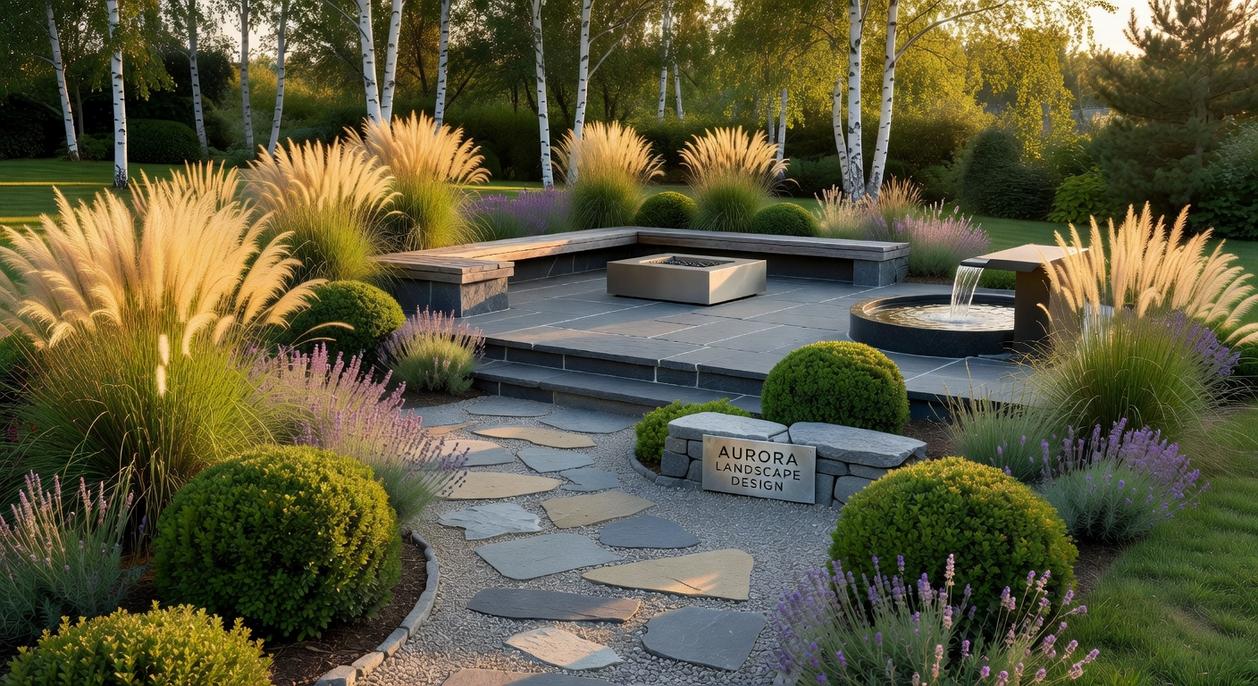
You don’t need a massive yard to create a garden that feels endless.
That’s what cha-gyeong is all about.
Some designers say you should focus only on what’s inside your property lines. They argue that relying on views you don’t control is risky. What if your neighbor cuts down that tree you’ve been framing?
Fair point.
But here’s what I’ve learned. Cha-gyeong, or borrowed scenery, turns limitations into opportunities. Instead of building walls that box you in, you’re pulling the outside world into your space.
The concept is simple. You frame distant views (mountains, trees, even the sky) so they become part of your garden’s composition. A window cut into a wall. A gap between two carefully placed trees. An elevated pavilion that lines up perfectly with a hillside.
What you get is a space that feels twice its actual size.
I’ve seen this work in tiny urban courtyards. You can borrow a neighbor’s maple tree or frame a sliver of park through your fence line. The garden suddenly breathes.
The technique relies on three things. First, you need to identify what’s worth borrowing. Second, you create the frame (a moon gate, a pruned branch opening, a raised viewing platform). Third, you design the foreground so your eye naturally travels through to that distant view.
When you nail it, something shifts. The boundary between your garden and the world outside blurs. You’re not looking at landscaping ideas kdarchistyle anymore. You’re experiencing a seamless flow between what you built and what nature provided.
That’s the real effect of cha-gyeong. It doesn’t just make your space look bigger. It makes you feel connected to something beyond your fence.
Bringing It Home: Practical Design Ideas for Your Space
You don’t need acres of land to create something beautiful.
Think of your outdoor space like a canvas. Even a small one can hold a complete story if you’re intentional about what you include.
I’ve worked with spaces ranging from tiny balconies to sprawling backyards. The principles stay the same. You just adjust the scale.
Small Patios or Balconies
Start with containers. A single stone placed in a planter becomes your anchor point (like how a period ends a sentence).
Add a small bamboo water feature. The sound fills the space in a way that makes it feel bigger than it is. Pair that with a carefully pruned pine in bonsai style and you’ve got the bones of something special.
The key here? Less is more. Each element needs room to breathe.
Standard Backyards
This is where you can play with the dry landscape approach. Raked gravel becomes your water. Larger stones act as islands rising from that sea.
I like adding a winding flagstone path. It pulls the eye through the space and creates a sense of journey. Plant a weeping maple as your focal point and watch how it changes with the seasons.
The landscaping ideas kdarchistyle approach really shines at this scale. You have enough room to create layers without feeling cramped.
Larger Properties
Here’s where you can carve out a true retreat. Set aside a secluded corner for a simple bench or pavilion. Position it to overlook a small pond if you can manage it.
Use plants at different heights to build depth. A meandering path that disappears around a corner? That’s how you create mystery. It’s like reading a book where you can’t wait to turn the page.
What to Use
Stick with natural materials. Wood, stone, clay, gravel. These age well and feel right.
Skip the plastics and bright colors. They pull you out of the experience (kind of like how a ringing phone breaks a good conversation).
The goal is to make everything feel like it belongs together. Like it grew there naturally over time, even though you placed every piece yourself.
For more inspiration on creating cohesive outdoor spaces, check out Architecture Designs Kdarchistyle.
Your Garden as a Personal Retreat
You now understand the core principles of Korean garden design.
Harmony, simplicity, and borrowed scenery. These aren’t just concepts. They’re tools you can use to transform your outdoor space.
I know what it’s like to look at your yard and feel disconnected from it. Rigid layouts and artificial arrangements don’t invite you in. They keep you at a distance.
These principles work because they create something different. A landscape that feels personal and calm. One that changes with the seasons and grows more meaningful over time.
Here’s where you start: Go outside and really look at your space.
Find a view you can borrow. Maybe it’s a neighbor’s tree or a distant hillside. Pick a corner where a single stone might sit. That’s your first step toward building a garden that brings you peace.
The landscaping ideas kdarchistyle approach isn’t about perfection. It’s about creating a sanctuary that reflects who you are.
Your yard can become the retreat you’ve been looking for. You just need to begin.
 Founder & Creative Director
Fendric Thorvale has opinions about unique finds. Informed ones, backed by real experience — but opinions nonetheless, and they doesn't try to disguise them as neutral observation. They thinks a lot of what gets written about Unique Finds, Lifestyle Decor Inspirations, KD-Inspired Architectural Layouts is either too cautious to be useful or too confident to be credible, and they's work tends to sit deliberately in the space between those two failure modes.
Reading Fendric's pieces, you get the sense of someone who has thought about this stuff seriously and arrived at actual conclusions — not just collected a range of perspectives and declined to pick one. That can be uncomfortable when they lands on something you disagree with. It's also why the writing is worth engaging with. Fendric isn't interested in telling people what they want to hear. They is interested in telling them what they actually thinks, with enough reasoning behind it that you can push back if you want to. That kind of intellectual honesty is rarer than it should be.
What Fendric is best at is the moment when a familiar topic reveals something unexpected — when the conventional wisdom turns out to be slightly off, or when a small shift in framing changes everything. They finds those moments consistently, which is why they's work tends to generate real discussion rather than just passive agreement.
Founder & Creative Director
Fendric Thorvale has opinions about unique finds. Informed ones, backed by real experience — but opinions nonetheless, and they doesn't try to disguise them as neutral observation. They thinks a lot of what gets written about Unique Finds, Lifestyle Decor Inspirations, KD-Inspired Architectural Layouts is either too cautious to be useful or too confident to be credible, and they's work tends to sit deliberately in the space between those two failure modes.
Reading Fendric's pieces, you get the sense of someone who has thought about this stuff seriously and arrived at actual conclusions — not just collected a range of perspectives and declined to pick one. That can be uncomfortable when they lands on something you disagree with. It's also why the writing is worth engaging with. Fendric isn't interested in telling people what they want to hear. They is interested in telling them what they actually thinks, with enough reasoning behind it that you can push back if you want to. That kind of intellectual honesty is rarer than it should be.
What Fendric is best at is the moment when a familiar topic reveals something unexpected — when the conventional wisdom turns out to be slightly off, or when a small shift in framing changes everything. They finds those moments consistently, which is why they's work tends to generate real discussion rather than just passive agreement.