
If you’ve ever walked into a room that felt flat or unfinished, chances are it was missing one essential element: texture. Understanding layering textures in interior design is the key to creating spaces that feel warm, dynamic, and professionally styled rather than one-dimensional.
This article is designed for homeowners, renters, and design enthusiasts who want to elevate their interiors with practical, easy-to-apply techniques. We’ll break down how to combine materials like wood, metal, textiles, and natural elements in a way that adds depth without overwhelming your space. You’ll learn how to balance soft and hard surfaces, mix patterns confidently, and create visual interest through contrast and cohesion.
Our guidance is grounded in established interior design principles, architectural styling concepts, and real-world home applications—ensuring the ideas shared here are both aesthetically refined and realistically achievable. By the end, you’ll know exactly how to transform any room using texture with intention and confidence.
From Flat to Fabulous: The Transformative Power of Texture
A flat room looks staged. A textured room feels lived in. One is a catalog page; the other is a story. Studies in environmental psychology show tactile variety increases perceived warmth and comfort in interiors (Journal of Environmental Psychology, 2010). Yet many stylish spaces still feel sterile because they rely only on color and furniture.
The missing layer? Texture. Texture creates depth the eye and hand can register instantly. Mastering layering textures in interior design turns minimal into memorable.
- Mix natural fibers like linen and jute for organic contrast.
- Pair matte walls with brushed metal for subtle dimension.
This guide shows you how.
Understanding the Language of Texture: Visual vs. Tactile
Texture speaks in two dialects: tactile and visual. Tactile texture is what you physically feel—rough linen, smooth silk, cool marble. Visual texture is what your eyes perceive, like a wood grain pattern printed on laminate or a glossy finish that only looks slick. (Yes, sometimes your eyes fully expect softness—and get plastic instead.)
The psychology behind this is powerful, though I’ll admit researchers still debate how universal these responses are. Soft knits often evoke coziness, velvet signals luxury, raw wood suggests nature, and polished marble whispers sophistication. According to sensory marketing studies, touch significantly shapes emotional judgment and purchase decisions (Peck & Childers, 2003).
- Texture can ground a space or make it feel layered and alive.
Designers often Use layering textures in interior design to add depth, create focal points, and keep monochromatic schemes from falling flat. I can’t promise there’s a perfect formula—but without texture, even beautiful spaces can feel strangely unfinished.
The Art of Layering: A Step-by-Step Guide to Textural Harmony
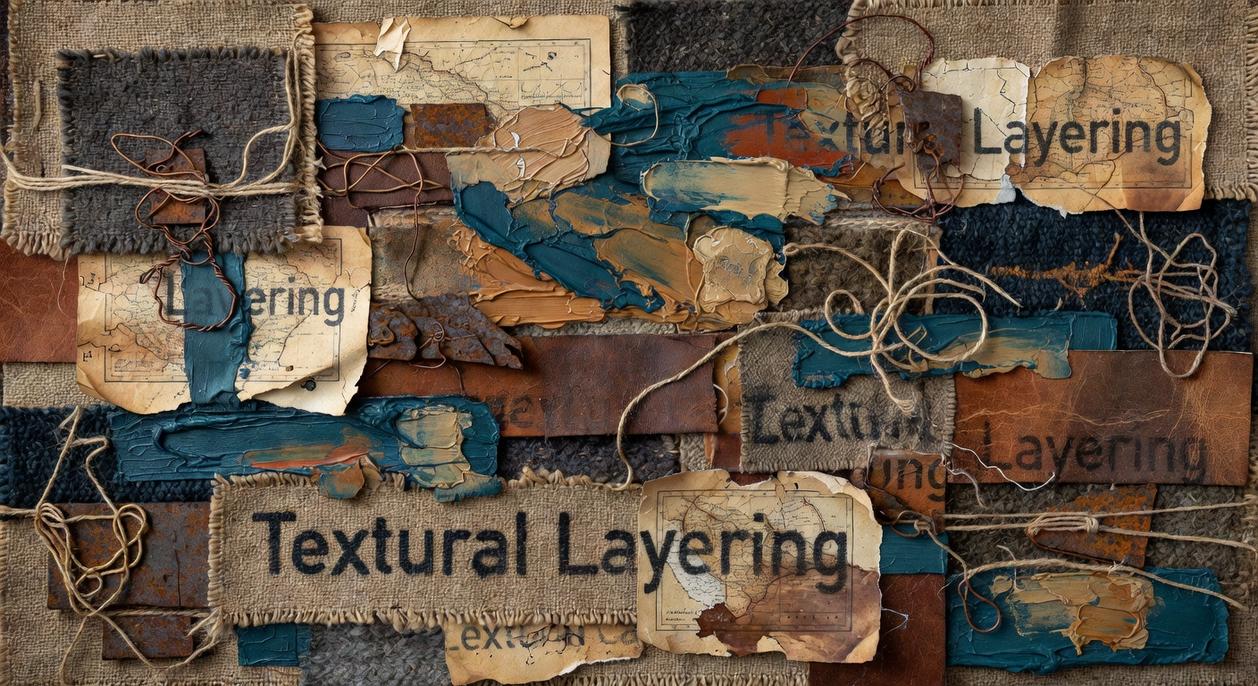
Start with a Foundation
Begin by identifying the largest surfaces in your room: walls, floors, and major furniture pieces. These elements form your visual “base layer.” Is your wall smooth drywall? Are your floors polished hardwood or matte tile? Is your sofa crisp linen or buttery leather? Defining these textures first gives you a clear starting point (think of it as building the stage before the actors arrive). I recommend writing them down so you can see where contrast is missing.
Introduce Contrast
The magic of layering textures in interior design lies in contrast. Pair sleek with soft, rough with refined. Try:
- A sleek leather chair on a high-pile wool rug
- Rough-hewn wooden shelves against a smooth painted wall
- A velvet pillow on a linen sofa
Contrast creates energy. Without it, a room can feel flat—even if it’s beautifully furnished. Some argue that sticking to similar finishes feels safer. I disagree. Safe often reads as forgettable. Strategic contrast adds depth without chaos.
The Rule of Repetition
To keep things cohesive, repeat at least one texture three times. A brass lamp, brass picture frame, and brass cabinet hardware create rhythm. This principle is explained beautifully in the rule of three in home styling why it works. Repetition reassures the eye (yes, your room needs reassurance).
Balance the Scale
Mix large-scale textures, like a chunky knit throw, with small-scale ones, like a finely woven pillow. This creates visual rhythm and keeps the space dynamic. My recommendation: always include one bold, tactile statement piece to anchor the room.
A Curated Palette: Key Textures and Their Aesthetic Impact
Soft, Natural, and Sleek: Designing with Intention
Texture isn’t just a finishing touch; it shapes how a room feels the moment you walk in. If a space feels flat, it’s often because every surface is speaking the same visual language (and repeating yourself is rarely stylish).
Soft & Inviting textures—bouclé, faux fur, chunky wool knits, and velvet—create warmth and comfort. These materials embody hygge, the Danish concept of cozy contentment. Try draping a chunky knit throw over a streamlined sofa or adding a velvet headboard in the bedroom. The contrast instantly softens clean lines. For living rooms, layer a faux fur accent pillow with a woven blanket to make seating areas feel intentionally welcoming.
Natural & Grounding textures like jute, rattan, reclaimed wood, stone, and linen connect interiors to the outdoors. Think of a jute rug anchoring a seating area or a reclaimed wood coffee table adding history to a neutral room. Linen curtains filter light beautifully while keeping things relaxed. These elements work well in open-plan homes where warmth balances expansive layouts.
Sleek & Modern finishes—polished concrete, marble, lacquered surfaces, glass, chrome, or brass—reflect light and create sophistication. A marble countertop paired with brass hardware feels refined yet current. Glass coffee tables can visually “declutter” compact rooms.
Pro Tip: The magic happens when layering textures in interior design. For example:
- Pair a natural jute rug with a sleek marble coffee table.
- Add a velvet chair beside a reclaimed wood desk.
Mix categories thoughtfully, and your space will feel dynamic, balanced, and undeniably intentional.
Putting It All Together: Textural Recipes for Every Room
To me, great rooms feel composed, not complicated. Start with the living room. I like a smooth leather sofa paired with knitted wool throw pillows, a rough-woven area rug, and a polished metal floor lamp. The contrast keeps things lively without shouting. In my opinion, this is layering textures in interior design at its most practical.
Next, the bedroom should exhale. Crisp cotton or soft linen bedding sets a breathable base, while a velvet headboard and a faux fur accent pillow add quiet luxury (think boutique hotel energy). Wooden nightstands ground the softness.
Finally, the kitchen or dining area benefits from tension. Smooth quartz countertops meet a rustic wood dining table, upholstered linen chairs soften the edges, and a glass pendant light sharpens the scene. Some argue minimalism means fewer materials, but I believe thoughtful texture makes a home truly memorable.
Elevate Your Space with a Touch of Texture
You now have a complete framework for solving the room that “looks fine” but somehow feels flat. We’ve all been there—beautiful sofa, curated art, decent lighting—and yet the space lacks soul (like a movie with a great cast but no plot). That frustration usually isn’t about furniture; it’s about dimension.
The real shift happens with layering textures in interior design. When smooth meets nubby, matte meets glossy, soft meets structured, depth appears. Texture is the quiet overachiever of great interiors.
Start small. This week, update one room with a bouclé pillow or jute basket—and watch the energy change instantly.
Bring Depth and Harmony Into Your Space
You came here looking for practical, inspiring ways to elevate your home with thoughtful design choices—and now you have a clearer path forward. From understanding balance and proportion to mastering layering textures in interior design, you’ve seen how small, intentional details can completely transform the feel of a space.
The real challenge isn’t finding inspiration. It’s knowing how to pull everything together without your space feeling flat, cluttered, or disconnected. When textures, layouts, and styling elements aren’t aligned, even beautiful pieces can fall short.
Now it’s your move. Start by choosing one room and apply what you’ve learned—mix materials, vary finishes, and thoughtfully layer fabrics and surfaces to create depth and warmth. If you want expert-backed ideas, curated concepts, and step-by-step styling guidance trusted by design enthusiasts who want homes that feel both elevated and livable, explore more of our proven interior insights today.
Don’t let your space feel unfinished. Take action now and turn your home into a layered, cohesive environment that truly reflects your style.