
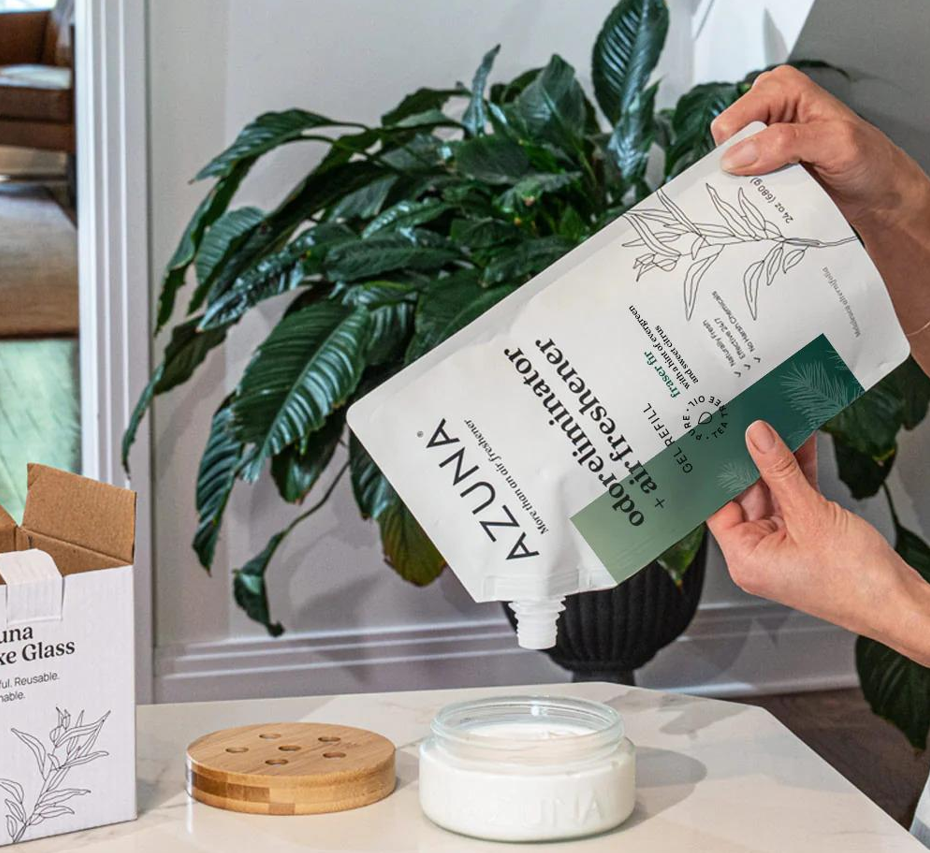
Every home has its own smell. Some of it is pleasant—fresh laundry, a good meal, morning coffee. But underneath the everyday rhythms of a lived-in house, odors accumulate in ways that are easy to ignore until a guest walks through the door. Pet smells, cooking odors, basement mustiness, bathroom staleness—they build up gradually and settle deep into surfaces, fabrics, and air.
The conventional answer has always been to add more fragrance on top. Spray something, plug something in, light a candle. But covering a smell and actually removing it are two very different things—and for anyone who’s tried to deal with a genuinely persistent odor, the difference becomes obvious fast.
Why Most Air Fresheners Don’t Actually Fix the Problem
Here’s the uncomfortable reality: many of the products designed to make your home smell better are contributing to the very problem they claim to solve. The EPA estimates that indoor air can be two to five times more polluted than outdoor air, and conventional air fresheners—aerosols, plug-ins, and heavily fragranced sprays—are often part of that equation. Many emit those chemicals, which are known contributors to indoor air pollution.
That’s not a reason to panic—it’s a reason to look more carefully at what you’re reaching for when a room doesn’t smell right. The best approach to home odor removal isn’t adding more chemistry to the air. It’s getting to the source of what’s causing the smell in the first place.
Start With the Source, Not the Symptom
Before any product can do its job effectively, it helps to understand what’s actually causing the odor. Most persistent household smells fall into a few categories:
- Musty and damp odors: Common in basements, bathrooms, and laundry areas—anywhere humidity accumulates and air circulation is limited.
- Pet odors: Dander, accidents, grooming areas, and bedding all contribute to a layered odor profile that builds over time.
- Cooking smells: Oils, proteins, and spices release compounds that cling to surfaces and fabrics long after the meal is done.
- Stale air: Enclosed spaces with limited ventilation—closets, basements, storage rooms—develop a staleness that no amount of spraying can fix without addressing the underlying airflow.
Surface-level fixes work on surface-level problems. For anything deeper, you need a formula that neutralizes odors at the source rather than masking them.
A Room-by-Room Approach to Odor Removal
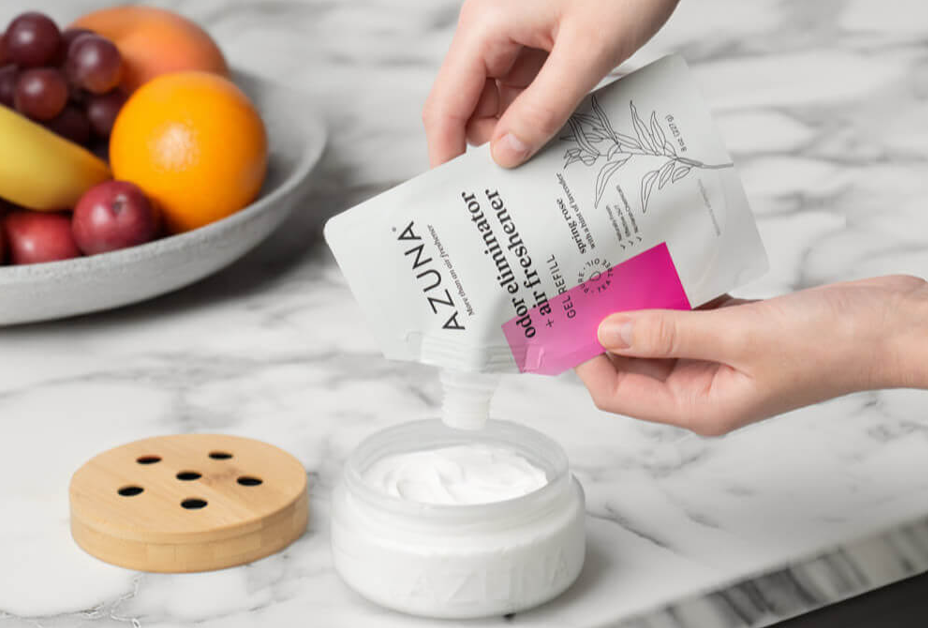
Different spaces in your home require different strategies. Here’s how to think about it by area:
- Kitchen: Cooking odors penetrate cabinets, upholstery, and soft furnishings quickly. A long-lasting odor-eliminating gel handles background airborne odors between cooking sessions, while a tea tree oil-based surface spray cleans countertops and neutralizes residual smell at the same time. The fridge is its own separate challenge—a small, dedicated fridge pod placed inside addresses the enclosed, mixed-odor environment that builds up over time.
- Bathroom: Aerosol spray after use is the most common approach—and the least effective. A product that neutralizes odors continuously is far more effective than reactive fixes that only mask the problem momentarily.
- Basement and storage areas: Musty odors in low-ventilation spaces respond well to continuous, passive odor control. Placing a pod in a central location where air can circulate around it—rather than tucking it in a corner—maximizes results.
- Pet areas: Litter boxes, dog beds, and accident-prone zones benefit from a formula enhanced with pure Texas cedarwood oil and a proprietary bioactive odor-absorbing molecule, which effectively eliminates the strong smells that accumulate in the most well-loved areas of your home.
- Laundry and closets: Clothes and fabrics trap odors in their fibers in ways that surface sprays don’t fully reach. Dryer ball treatments bring odor-neutralizing power into the wash cycle itself, while a small odor-eliminating pod in the closet handles the ambient air between laundry days.
The Right Product Makes All the Difference
Pure Australian tea tree oil has emerged as one of the most effective active ingredients for genuine odor neutralization. Used for centuries for its odor-eliminating properties, tea tree oil works with your home’s airflow to target odors at the source rather than overwhelming the air with fragrance. That’s the philosophy behind Azuna’s home air fresheners—a product line built on a natural tea tree oil-based formula, sourced to Australian Tea Tree Industry Association standards. Every gel pod, spray, and cleaning wipe starts from the same belief: neutralize the odor, don’t cover it up.
A home that smells genuinely clean doesn’t smell like anything in particular. No ocean breeze, no lavender perfume, no chemical disinfectant. Just air that’s actually been dealt with rather than dressed up—and with the right approach, that’s more achievable than most people expect.
 Architectural Layout & Styling Consultant
There is a specific skill involved in explaining something clearly — one that is completely separate from actually knowing the subject. Charles T. has both. They has spent years working with practical home styling tips in a hands-on capacity, and an equal amount of time figuring out how to translate that experience into writing that people with different backgrounds can actually absorb and use.
Charles tends to approach complex subjects — Practical Home Styling Tips, Home Living Highlights, Unique Finds being good examples — by starting with what the reader already knows, then building outward from there rather than dropping them in the deep end. It sounds like a small thing. In practice it makes a significant difference in whether someone finishes the article or abandons it halfway through. They is also good at knowing when to stop — a surprisingly underrated skill. Some writers bury useful information under so many caveats and qualifications that the point disappears. Charles knows where the point is and gets there without too many detours.
The practical effect of all this is that people who read Charles's work tend to come away actually capable of doing something with it. Not just vaguely informed — actually capable. For a writer working in practical home styling tips, that is probably the best possible outcome, and it's the standard Charles holds they's own work to.