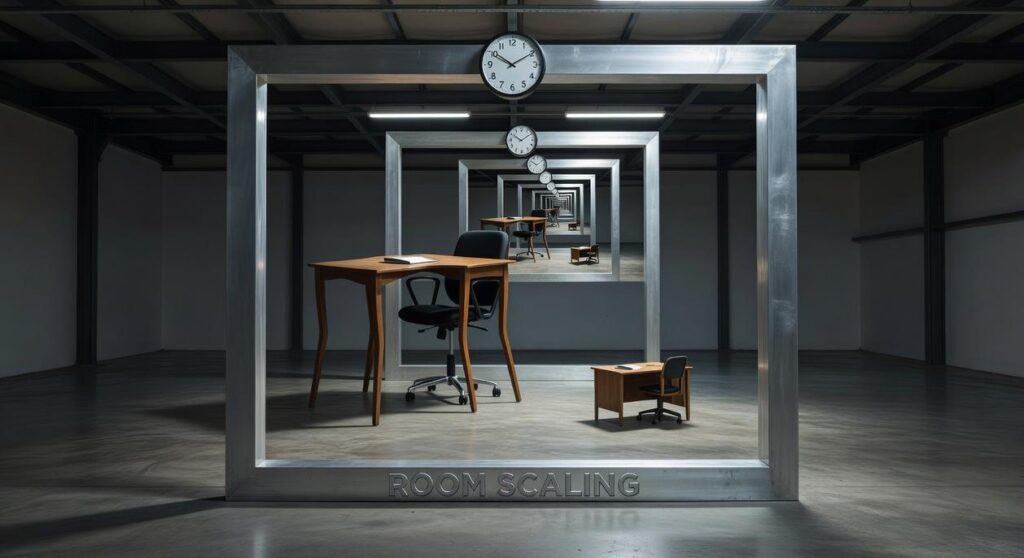
Ever wonder why professionally styled rooms feel so effortlessly balanced and complete? The secret often comes down to one foundational principle designers rely on again and again. Many homeowners struggle to arrange decor in a way that feels intentional—spaces end up looking either cluttered or oddly empty. The good news is that creating harmony doesn’t require expensive furniture or a full renovation. It starts with understanding the rule of three home styling technique. In this guide, you’ll discover what this principle means and exactly how to apply it to your surfaces, furniture arrangements, and color palettes for instantly polished, designer-level results.
The Psychology Behind the Rule of Three
At its core, the rule of three is the idea that objects grouped in odd numbers feel more natural and dynamic than even sets. Our brains love patterns, but they also crave movement. When three items form a loose triangle, our eyes travel from point to point, creating visual energy. (Two matching lamps can feel like they’re standing at attention.)
Here’s how to apply rule of three home styling in real life:
- Place a tall vase, medium candle, and small bowl together.
- Vary heights and textures for depth.
- Keep spacing slightly uneven for intentional asymmetry.
Two pieces often feel tense or overly symmetrical. Four can look busy, like a crowded shelf in a sitcom apartment. Three hits the sweet spot—balanced, but not boring. Pro tip: anchor trios with a unifying color so they read as a story, not clutter.
Mastering the Vignette: Applying the Rule to Surfaces
A well-styled surface tells a story. A poorly styled one looks like a yard sale (we’ve all been there). The difference often comes down to intention—and understanding how grouping works.
The Coffee Table Trio
Option A: Scatter decor randomly across the table. The result? Visual clutter and no focal point.
Option B: Create a deliberate trio. Start with a low stack of books (grounding element), add a tall vase with foliage (height and movement), and finish with a medium decorative bowl or candle (bridge piece). This layered arrangement creates contrast in height and shape, which keeps the eye moving naturally.
Designers often rely on the rule of three home styling because odd-numbered groupings feel dynamic rather than static (Gestalt psychology supports this preference for visual grouping; see Palmer, 1999). Pro tip: vary texture as well as height—ceramic, paper, glass—to avoid a flat look.
The Mantelpiece Method
Now consider symmetry. A perfectly mirrored mantel can feel formal, even rigid. Instead of matching sconces and identical vases, try this trio: a framed art piece leaning casually against the wall, a sculptural object, and a small plant. Arrange them so their tops form an invisible triangle. Triangle compositions guide the eye upward and inward, making the display feel intentional rather than accidental.
Bookshelf Styling Secrets
Finally, resist lining books shoulder-to-shoulder like soldiers. That’s Option A: orderly but uninspired.
Option B breaks the grid. Create curated trios—vertical book stack, framed photo, small object. Repeat this pattern across shelves for rhythm. The repetition builds cohesion, while variation keeps it interesting (think less library, more gallery).
Beyond the Shelf: Scaling the Rule for Whole Rooms
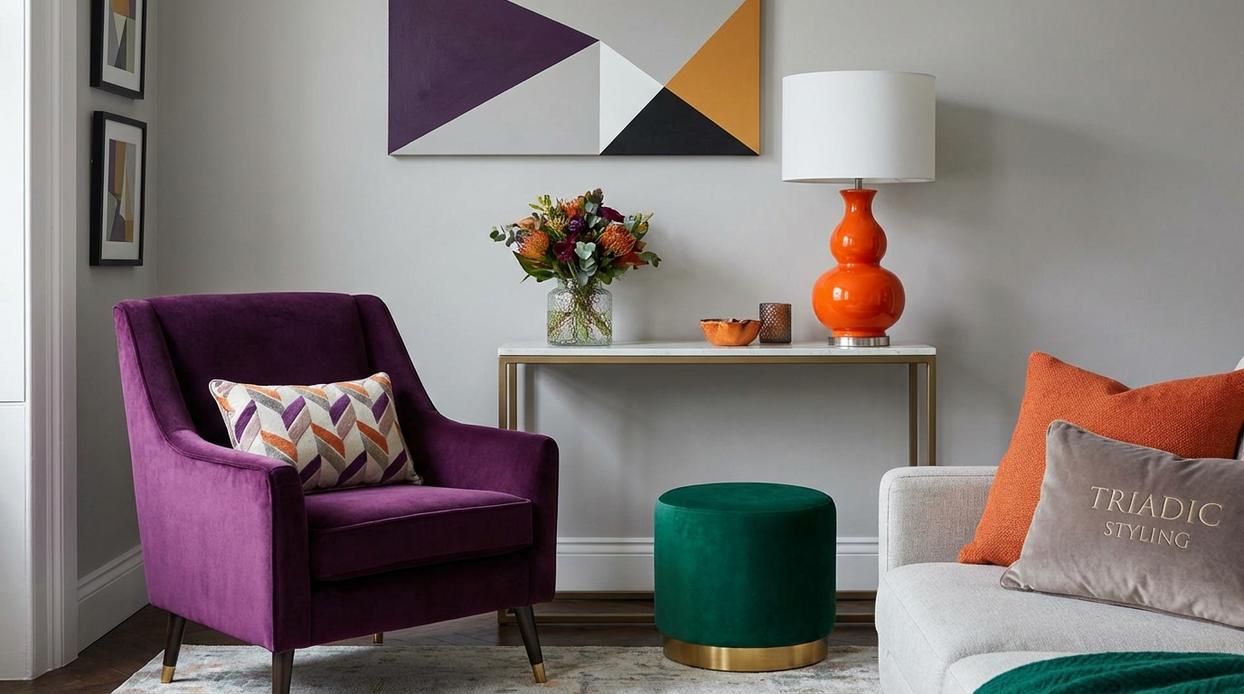
Design doesn’t stop at a bookshelf. In my opinion, this is where most people play it too safe. They style a perfect trio on a console table… and then abandon that logic when arranging the rest of the room. The magic of rule of three home styling works at scale — and when you apply it boldly, EVERYTHING starts to click.
Furniture Groupings
Let’s start with seating. A sofa paired with two distinct accent chairs creates what designers call a conversational grouping (a layout intentionally arranged to encourage interaction). It feels balanced without being stiff. Two chairs that aren’t identical add contrast and personality. I’ve seen people argue that matching sets feel more “put together.” I disagree. Perfect symmetry can feel like a showroom floor. A curated trio feels lived-in and inviting (like your favorite coffee shop corner).
Pendant Lighting Power
Over a kitchen island or dining table, three pendant lights create rhythm (a repeated visual element that guides the eye). Two often look accidental. Four can feel crowded. Three feels intentional. If you’re unsure about spacing and scale, I recommend reading choosing the right lighting for every room in your home before committing. Pro tip: keep pendants 24–30 inches apart for visual breathing room.
Wall Art Arrangements
When hanging art, think in trios first. A gallery wall can anchor itself with three larger pieces before layering smaller works around them. Or hang three matching frames in a clean horizontal line for understated drama. Some say one oversized piece is enough. Sometimes, yes. But three creates movement — and movement makes a room feel alive.
The Art of the Trio: Mixing Color, Texture, and Scale
Great rooms rarely happen by accident. They follow structure. One of the most reliable frameworks is the 60-30-10 rule: 60% dominant color, 30% secondary color, and 10% accent color. Think of it as visual budgeting. If your sofa and walls take up most of the space, they carry the 60%. Rugs or curtains handle the 30%. The bold cushion or artwork? That punchy 10% (yes, the part guests always notice).
Texture is where a room starts to feel ALIVE. Try combining three distinct finishes in one zone:
- Smooth leather chair
- Chunky knit throw
- Sleek metal side table
That contrast creates depth you can actually feel.
Scale is the secret weapon. Vary heights and proportions so arrangements don’t look flat. A tall lamp, medium plant, and low bowl instantly feel dynamic.
Use rule of three home styling to balance color, texture, and scale—and avoid a space that feels STATIC.
Your First Step to a Beautifully Balanced Home
You came here looking for a simple, reliable way to style your space with confidence—and now you have it. With a clear, actionable framework in hand, you can finally move past cluttered surfaces and the constant guesswork of where decor should go.
The beauty of rule of three home styling is that it works every time. It creates instant balance, visual interest, and that polished look you admire in professionally designed rooms—without overwhelming your space.
Don’t let another surface sit unfinished. Start small today. Choose one nightstand, console, or shelf and create your first curated trio. You’ll see the difference immediately—and you won’t want to stop.