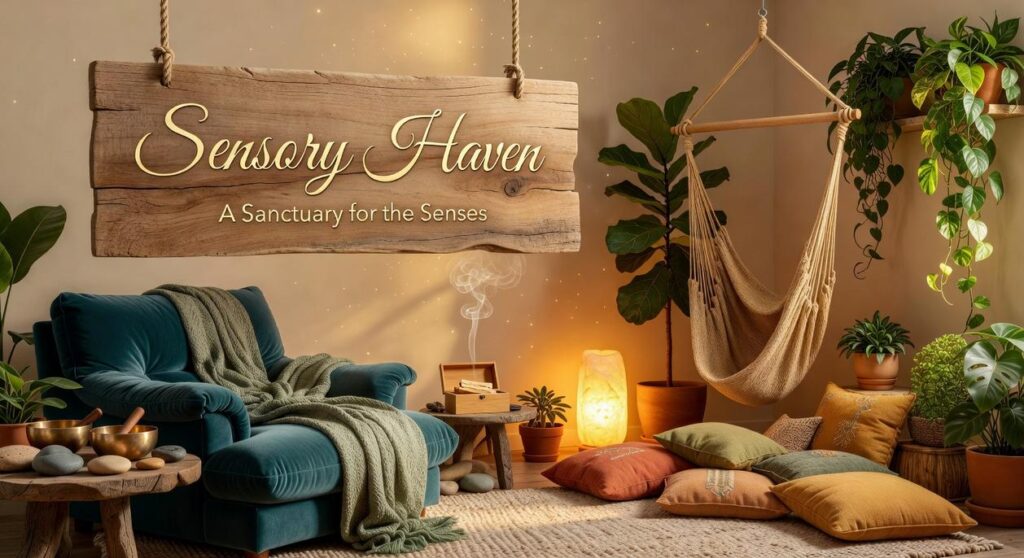
If you’re searching for the next big shifts in interior aesthetics and functionality, this guide to home living trends 2026 delivers exactly what you need: clear insights into the styles, layouts, and lifestyle-driven design choices shaping modern homes. As living spaces continue to evolve alongside technology, sustainability priorities, and flexible work-life routines, staying ahead of emerging trends is essential for creating a home that feels both current and timeless.
In this article, you’ll discover the defining colors, materials, architectural concepts, and decor influences that are set to dominate in 2026. We draw from in-depth market observations, ongoing design analysis, and insights from industry exhibitions and architectural showcases to ensure every trend highlighted here reflects real momentum—not passing hype.
Whether you’re renovating, building, or simply refreshing your space, this curated breakdown will help you make confident, forward-thinking design decisions aligned with the future of home living.
Designing Tomorrow’s Home
Back in 2020, open-plan living dominated; by 2023, privacy pods crept in. Now, as we move toward 2026, the conversation shifts again. The home living trends 2026 forecast centers on adaptable architecture, climate-resilient materials, and AI-powered rooms that learn your rhythms. While some argue smart homes peaked in 2022, data from McKinsey shows connected device adoption still rising year over year. Meanwhile, biophilic design—integrating natural light, plants, and organic textures—has proven to reduce stress, according to the Journal of Environmental Psychology. Ultimately, the future home is flexible, sustainable, and quietly intelligent (finally, tech that whispers). Pro tip.
Trend 1: The Bio-Integrated Home
The Bio-Integrated Home goes far beyond adding a fiddle-leaf fig in the corner. It weaves nature directly into a home’s bones—its walls, materials, airflow, and light. Think of it as architecture that breathes (yes, literally).
So what does “bio-integrated” mean? It refers to designing with living systems—like plants, natural ventilation, and regenerative materials—built into the structure itself. This idea is gaining traction in home living trends 2026 as homeowners prioritize wellness and sustainability. According to the World Green Building Council, improved indoor air quality can enhance cognitive performance and overall wellbeing.
In Practice: What You Can Actually Do
You don’t need a futuristic eco-dome to get started. Try:
- Living walls that filter indoor air and regulate humidity
- Self-healing concrete for patios or driveways (it uses bacteria to seal cracks)
- Reclaimed wood beams as structural or decorative focal points
- Floor plans that maximize cross-ventilation and daylight
Pro tip: Position seating within eight feet of a window to amplify natural light benefits.
Some skeptics argue bio-integration is expensive and high-maintenance. Fair point—living walls need care. But modular systems and drought-resistant plant species make upkeep manageable (no rainforest-level misting required).
Styling a Biophilic Sanctuary
To bring the look indoors:
- Layer raw linens, wool, and cotton textiles
- Use natural stone surfaces
- Build a palette of greens, clay, sand, and deep earth tones
The result? A calm, grounded space that feels less like a box—and more like a living ecosystem.
Trend 2: Fluid Spaces & Modular Living
The era of rigid, single-purpose rooms is fading fast. Instead of a formal dining room used twice a year (hello, holiday dinners), homeowners are embracing fluid spaces—adaptable areas that shift between work, relaxation, and entertaining. In simple terms, modular living means designing rooms that can change function without major renovations.
So why now? Hybrid work isn’t going anywhere. According to a 2023 McKinsey report, over 50% of employees in advanced economies work in a hybrid model at least part-time. Homes must now multitask as offices, gyms, and social hubs. That pressure is shaping home living trends 2026 in a big way.
In Practice: Smart Architectural Moves
Start with flexible structure:
- Install sliding or pocket partitions to create privacy on demand.
- Invest in built-in modular furniture, like wall beds with shelving systems.
- Design “disappearing” zones, such as a home office concealed within cabinetry or a kitchen hidden behind retractable panels.
Pro tip: Choose furniture on casters or lightweight frames so you can reconfigure layouts in minutes, not hours.
Styling Without Walls
You don’t always need construction. Instead:
- Use area rugs to anchor different zones.
- Layer distinct lighting schemes (task lighting for work, warm ambient light for lounging).
- Position sofas or shelving units as subtle dividers.
If you’re unsure where to start, explore how to create a balanced home living environment for work and relaxation for practical layout guidance.
While some argue open-plan living lacks privacy, thoughtful zoning proves flexibility and comfort can coexist beautifully.
Trend 3: The Rise of the “Sensory Sanctuary”
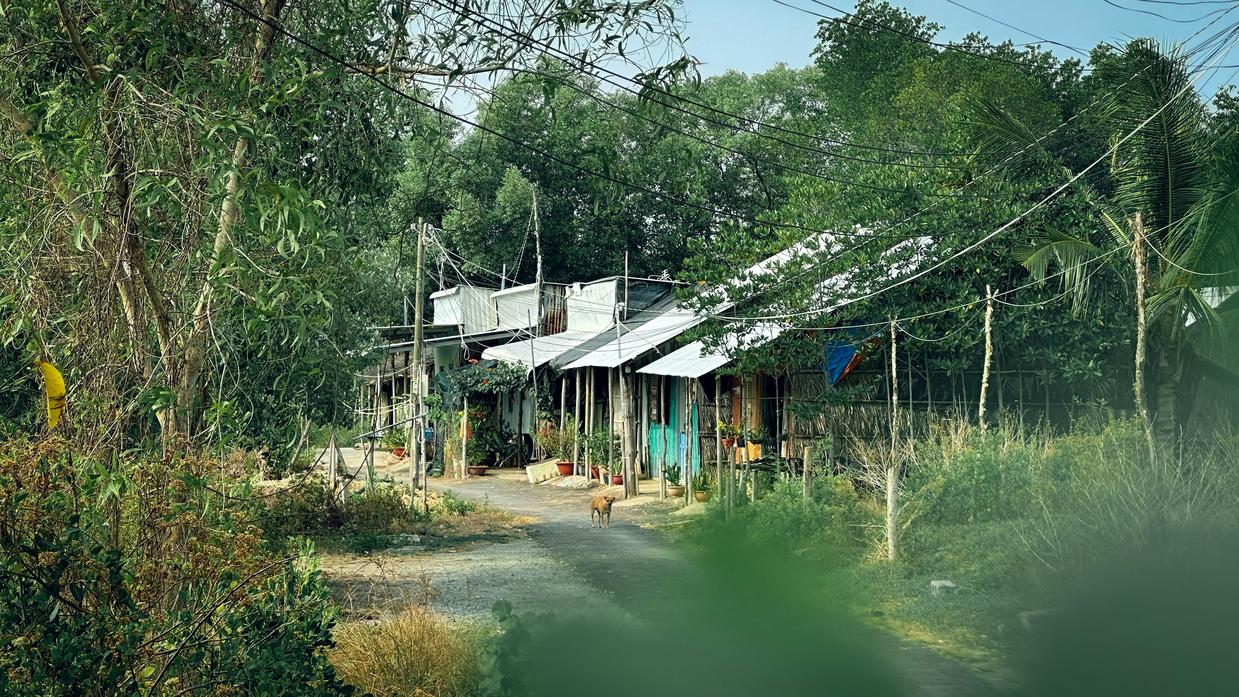
Imagine walking into your home and feeling your shoulders drop before you’ve even set down your keys. That’s the idea behind the Sensory Sanctuary—an interior designed not just to be seen, but to be felt, heard, and experienced. Think of it as noise-canceling headphones for your entire house (but far more stylish).
In a world where screens dominate our attention, tactile design becomes a quiet rebellion. We’re craving texture the way a plant craves sunlight. Plaster walls with subtle movement, boucle chairs that invite touch, velvet sofas that absorb light, and fluted wood that casts rhythmic shadows—all work together like instruments in a symphony.
Some argue minimal, ultra-sleek spaces are timeless. And yes, clean lines have their place. But overly sterile rooms can feel like waiting areas rather than living spaces. The Sensory Sanctuary counters that by layering materials and acoustics to create warmth and restoration.
In practice, this means:
- Acoustic paneling that softens echo and reduces stress
- Integrated, high-fidelity sound systems for immersive ambiance
- Textured finishes that reward touch as much as sight
Color plays a grounding role in home living trends 2026. Expect terracotta, deep olive, warm grays, and rich browns—tones that feel like a slow exhale. They don’t shout for attention; they hum softly in the background, steady and reassuring.
When all senses align, a home stops being a backdrop—and becomes a refuge.
Ambient technology is the idea that your home thinks for you, quietly. Instead of visible gadgets, sensors and systems are BUILT into walls, ceilings, and glass, working in the background. Think voice-activated lighting embedded in plaster, climate control that learns your schedule, and smart glass that shifts opacity for privacy. The promise is seamless comfort, less clutter, and better energy efficiency. It aligns closely with home living trends 2026, where aesthetics and intelligence merge. Still, I will admit the long-term privacy trade-offs are debated, and not every system is as intuitive as promised. Early adopters report hiccups with compatibility and data security. Yet, when it works, it feels almost magical (like living in a sci-fi set). Pro tip: prioritize open ecosystems to future-proof your investment.
Bringing 2026 Home: Your Next Steps
Let’s recap the big four: bio-integration, fluid spaces, sensory design, and ambient tech. Together, they define home living trends 2026—where greenery climbs your walls (intentionally), rooms multitask better than you do, lighting sets the mood automatically, and your home practically whispers, “Relax, I’ve got this.”
The real shift? It’s not about chasing trends like throw pillows on clearance. It’s about building a personal, sustainable sanctuary that works as hard as you do (but looks calmer doing it).
- Pick one trend that fits your lifestyle.
- Start small—swap lighting, add plants, rethink a layout.
Big impact begins with one smart tweak.
Bring Your Space Into the Future
You came here to understand how home living trends 2026 will shape the way you design, style, and experience your space. Now you have a clear vision of what’s ahead—from functional layouts to lifestyle-driven décor choices that reflect how people truly live today.
The real challenge isn’t knowing the trends. It’s knowing how to apply them in a way that fits your home, your routine, and your personality. Outdated spaces can feel uninspiring and disconnected from modern living—but the right design updates can completely transform how you feel every day.
Start by identifying one room that needs the most attention. Refresh the layout. Incorporate purposeful décor. Align your space with the evolving lifestyle shifts defining this new era of design.
If you’re ready to turn inspiration into action, explore more expert-backed styling ideas and architectural concepts designed to make modern living effortless. Discover practical guidance trusted by design enthusiasts who want timeless style with forward-thinking function. Start redesigning today and create a home that truly reflects where living is headed.