
Have you ever rushed to adjust your lights, thermostat, and locks, feeling like your home is just a list of chores? I have. It seems like so many so-called “smart homes” are just a bunch of gadgets that don’t really work together.
It’s frustrating, right?
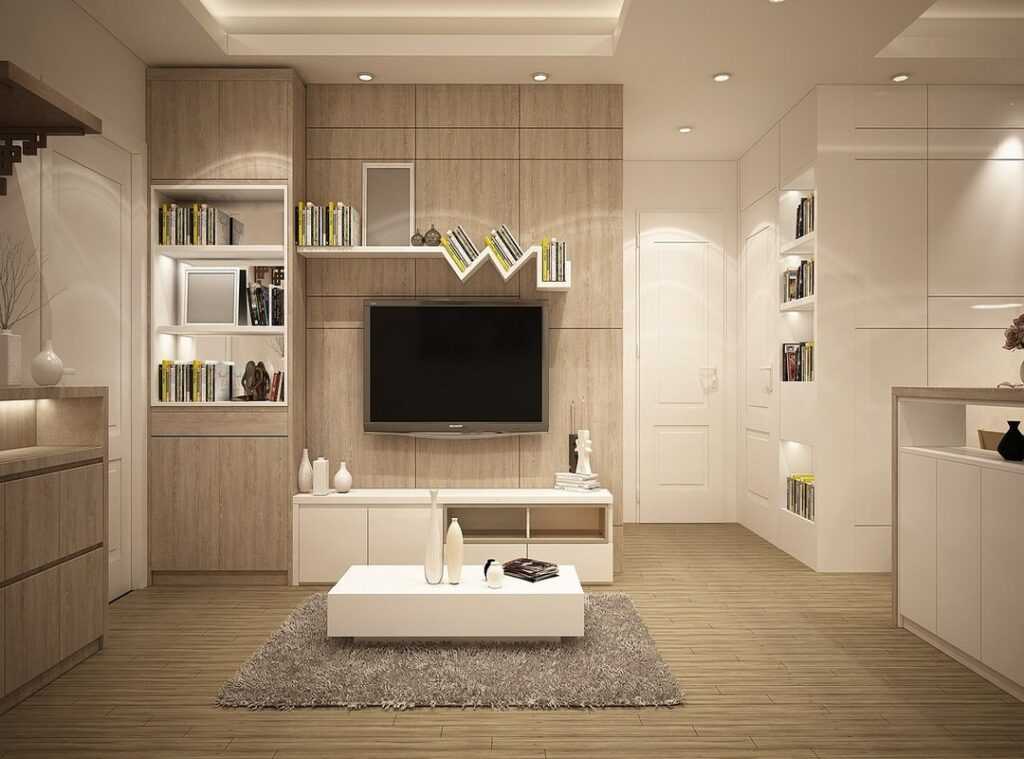
This isn’t just about technology. It’s about creating a home that feels like a sanctuary. Imagine a space that anticipates your needs, where smart home technology design seamlessly integrates into your life and style.
I’ve spent years in home design and decor, and let me tell you, it’s about more than just gadgets.
This article will guide you on transforming your house into a genuinely cozy, intelligent home. You’ll learn how to make your living space truly responsive and comfortable. Trust me, it’s worth it.
Smart vs. Intelligent: The Home Tech Showdown
Ever wondered why your smart home doesn’t feel all that smart? It’s because a “smart device” is just one product. Think of a smart bulb.
You can turn it on and off remotely, but that’s about it. It’s like having musicians playing their own tunes without a conductor.
Now, an intelligent home? That’s where the magic happens. It’s a whole space where devices chat with each other.
They create vibes and moods without you lifting a finger. Imagine your home warming the bathroom floor before you wake up or dimming the lights as evening approaches. It learns your routines.
Sounds dreamy, right?
But here’s the thing: smart home technology design wants to reduce your manual effort. It’s about making your environment feel intuitive and caring. Who wouldn’t want their home to know what they need before they do?
If you’re curious about how to blend this tech with style, this guide might just be your treasure map.
So, does your home play a symphony, or are the musicians still tuning their instruments? That’s the difference between smart and intelligent. Welcome to the future of living, where your home truly understands you.
The Four Pillars of Home Automation: Cozy Life Unlocked
You ever walk into a room and feel like the lighting is all wrong? ambiance and lighting come into play. With smart home technology design, you can create specific lighting “scenes” like “Relaxing Evening” or “Bright Morning” with a simple voice command. It’s like having a mood switch at your fingertips.
Imagine automated blinds that open with the sunrise and close at dusk, syncing your home with nature’s rhythm. Feels like magic, doesn’t it?
Now, let’s talk comfort and climate. A smart thermostat learns your schedule, warming or cooling the house just before you get home. It’s like your home knows you (and it really does).
Add in heated floors or automated ceiling fans that adjust based on room temperature. Suddenly, comfort isn’t just a luxury (it’s) a given.
Security is another pillar. Automated door locks that engage at night and lights that mimic your presence when you’re away? That’s peace of mind.
Alerts for things like water leaks or an open garage door make your home feel like it’s looking out for you. It’s the kind of security blanket you didn’t know you needed.
And then there’s effortless entertainment. Imagine coming home to soft music playing or a “Movie Night” scene that dims the lights and turns on the TV. It’s smooth and feels like a warm hug after a long day.
For more smart home technology ideas, check out how others are transforming their spaces.
In the end, it’s all about creating a home that anticipates your needs. Isn’t that the ultimate in coziness?
Invisible Tech: Designing with Automation
The best technology is the kind you don’t see. I mean, who wants a tangled mess of wires ruining their carefully curated space? In my experience, smart home technology design should blend seamlessly with your aesthetics.
It’s not about shouting, “Look at me!” It’s about whispering, “I’m here to help.”
Let’s talk concealment. You want those in-wall speakers planned out before you even pick up a paintbrush. Hiding wires and placing hubs in closets or cabinets is a game-changer.
Nobody needs to see that chaos.
And those light switches? Replace them with single, elegant keypads that match your decor. Cohesive controls make everything feel intentional, not like an afterthought.
Now, onto window treatments. Automated shades and curtains can be sleek and stylish. Pick ones that complement your interior design, with motors and hardware tucked away.
It’s all about the details.
Thinking about sensors? Go for small, paintable motion or temperature sensors. They blend into walls and ceilings like they’re not even there.
It’s about keeping things subtle yet functional.
Your design choices should lead. Let the technology support that vision, not disrupt it. You don’t want your living room looking like a tech expo.
Trust me, it’s not a good look.
For more on how minimalism pairs with these ideas, check out Exploring Minimalist Interior Design Trends. It’s a great resource if you’re aiming for a clean, cohesive home.
Pro tip: Always plan your tech around your style, not the other way around.
Your Starting Point: A Cozy Home Tech Journey
Feeling swamped by the avalanche of options in smart home technology design? Trust me, it’s not as daunting as it looks. Yes, the choices seem endless, but the trick is to start small.
Step 1: Choose Your First Room. I’d say begin in the living room or primary bedroom. These are spaces where you spend most of your time, right? Start with smart lighting. A few bulbs and a hub set the stage nicely. Throw in a smart speaker to control them. (You’ll thank me later when you don’t have to get up to turn off the lights.)
Step 2: Pick an Space. Think of it as choosing a central “brain” for your devices. Whether it’s Apple Home, Google Home, or Amazon Alexa, the choice is yours. But, stick with one. It simplifies everything. Devices talking to each other makes life easier. Who needs the chaos of multiple systems?
Step 3: Build Outward. Once you’re comfortable, it’s time to jazz things up. A smart thermostat is a great next step. Then maybe automated blinds. Each new device will integrate seamlessly into your chosen system. It’s like building a puzzle that just clicks.
Pro tip: Plan ahead. Even when starting small, keep future compatibility in mind. It’s all about thinking a few steps ahead.
And hey, why wouldn’t you want a smart home that just fits together effortlessly?
The Unexpected Joy of a Home That Cares for You
Imagine coming home on a cold day. The house is already warm, lights softly glowing, and gentle music playing. It’s like magic.
Smart home technology design isn’t just about gadgets. It’s about freeing your mind. You don’t have to think about mundane tasks anymore.
Isn’t that what we all crave? A space that takes care of us. It’s not just utility; it’s self-care.
Your home becomes a sanctuary, a place that actively boosts your well-being. It’s like having your personal assistant, but better. Who would’ve thought technology could feel so… human?
Your Dream Home Awaits
So, your home shouldn’t feel like a 9-to-5 grind. It should serve you, not the other way around. The key?
A design-first approach with smart home technology design. It’s about blending tech seamlessly with warmth and comfort. Imagine a space that’s both advanced and inviting.
That’s possible. Start dreaming of your ideal living space now. Dive into more design concepts and see how technology can boost them.
Ready to transform your home into a sanctuary? Explore kdarchistyle.net for inspiration and guidance. Your perfect home is just a click away.
Don’t wait. Start today.
 Architectural Layout & Styling Consultant
There is a specific skill involved in explaining something clearly — one that is completely separate from actually knowing the subject. Charles Townsendenios has both. They has spent years working with practical home styling tips in a hands-on capacity, and an equal amount of time figuring out how to translate that experience into writing that people with different backgrounds can actually absorb and use.
Charles tends to approach complex subjects — Practical Home Styling Tips, Home Living Highlights, Unique Finds being good examples — by starting with what the reader already knows, then building outward from there rather than dropping them in the deep end. It sounds like a small thing. In practice it makes a significant difference in whether someone finishes the article or abandons it halfway through. They is also good at knowing when to stop — a surprisingly underrated skill. Some writers bury useful information under so many caveats and qualifications that the point disappears. Charles knows where the point is and gets there without too many detours.
The practical effect of all this is that people who read Charles's work tend to come away actually capable of doing something with it. Not just vaguely informed — actually capable. For a writer working in practical home styling tips, that is probably the best possible outcome, and it's the standard Charles holds they's own work to.
Architectural Layout & Styling Consultant
There is a specific skill involved in explaining something clearly — one that is completely separate from actually knowing the subject. Charles Townsendenios has both. They has spent years working with practical home styling tips in a hands-on capacity, and an equal amount of time figuring out how to translate that experience into writing that people with different backgrounds can actually absorb and use.
Charles tends to approach complex subjects — Practical Home Styling Tips, Home Living Highlights, Unique Finds being good examples — by starting with what the reader already knows, then building outward from there rather than dropping them in the deep end. It sounds like a small thing. In practice it makes a significant difference in whether someone finishes the article or abandons it halfway through. They is also good at knowing when to stop — a surprisingly underrated skill. Some writers bury useful information under so many caveats and qualifications that the point disappears. Charles knows where the point is and gets there without too many detours.
The practical effect of all this is that people who read Charles's work tend to come away actually capable of doing something with it. Not just vaguely informed — actually capable. For a writer working in practical home styling tips, that is probably the best possible outcome, and it's the standard Charles holds they's own work to.