
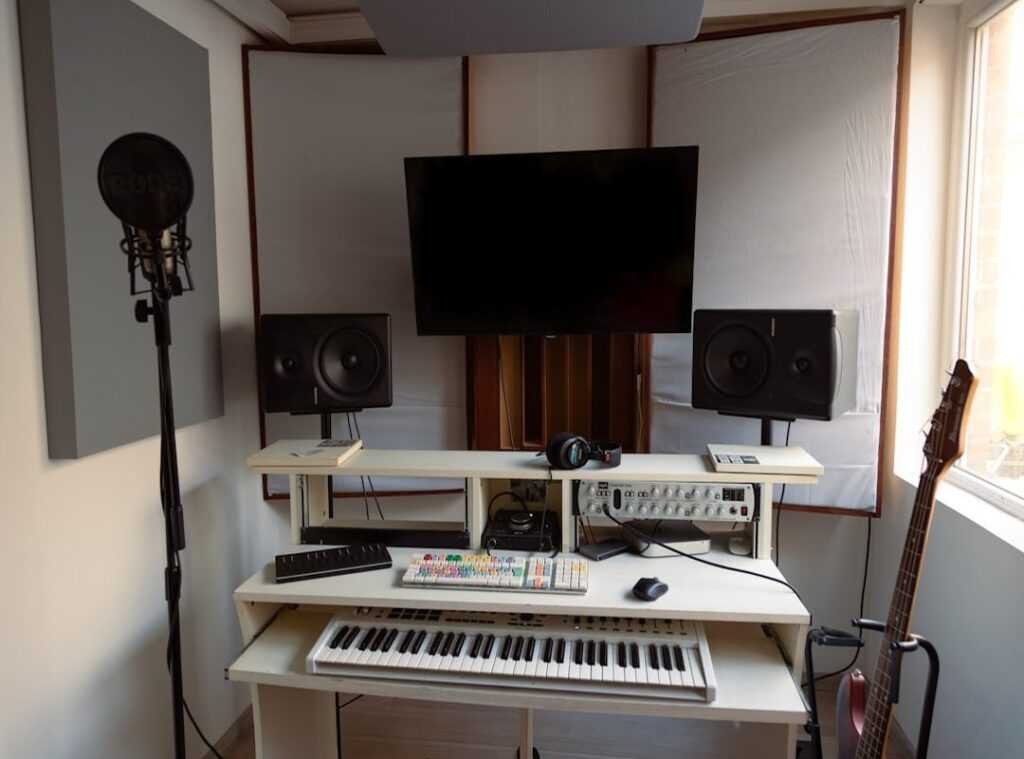
Living in a cramped studio feels like you’re squeezed into a tin can, doesn’t it? It’s frustrating, and worse, uninspiring. I get it.
That’s why I’m here to introduce a game-changer: KD concepts compact studios. This isn’t about tossing in a few decor tips. No, it’s a smarter way to transform your small space into a functional, beautiful home.
With a deep background in architectural design, I know what truly works. We’re talking about rethinking your layout, choosing furniture that pulls double duty, and using clever design tricks to maximize every square inch. Imagine walking into your studio and feeling like it’s a spacious sanctuary.
Stick with me, and by the end, you’ll have a clear, actionable plan to make it happen. Ready to transform your space?
The Core Philosophy: Smarter Layout, Not Less Space
Let’s get one thing straight: great studio design isn’t about less space. It’s about using that space smarter. KD concepts compact studios flip the script on traditional design by focusing on plan, not sacrifice.
You don’t need more room; you need a better layout.
Think about it. Why settle for cramped corners when you can redefine the space with purpose? The three pillars of a KD Concept layout are key.
Define zones, embrace multi-functionality, and think vertically.
Zones aren’t about walls, but about clever tricks. Area rugs, for example, can create a living room vibe in the middle of your studio. Furniture placement can act as invisible dividers, while strategic lighting gives each ‘room’ its own ambiance.
Want to try something? Sketch your current layout. Identify ‘dead space’ and areas serving a single purpose.
That’s your opportunity map. This exercise transforms chaos into clarity.
Many make the mistake of shoving furniture against the walls, thinking it’ll open up space. It doesn’t. It actually makes the room feel smaller and static.
Pushing everything out just creates a hollow, lifeless vibe.
So what do you really need to do? Think like a designer. Focus on defining areas, not shelling out for more square footage.
This is the beauty of adapting KD style urban spaces. When you transform your mindset, you transform your home.
Remember, it’s not about losing space; it’s about gaining a smarter layout. This perspective shift is what elevates your studio from ordinary to extraordinary.
Furniture That Works as Hard as You Do
You know what bugs me? Furniture that just sits around doing nothing. I mean, your furniture should work harder than you do, right? multi-functional pieces come in.
Forget the old sofa bed. Think beyond. Imagine a coffee table that lifts into a dining table or a wall bed that reveals a desk.
These pieces transform a cramped studio into a versatile living space.
Take the compact back bay studio entire apartment (boston (ma)), for example. This space embraces the essence of KD concepts compact studios, proving you don’t need a mansion to live large. It’s all about smart design.
When you step inside, you see furniture that adapts to your needs. It’s like magic (only) real.
Let’s get specific. Here are the studio dweller’s non-negotiables:
- An expandable dining table. It’s dinner for two now and a party table later.
- Modular shelving. Adjust it as your collection grows.
And don’t underestimate the power of clean lines and visible floors. Furniture with legs creates a sense of openness. It tricks your eyes into seeing more space.
Genius, right? Plus, it makes cleaning easier.
But let’s not stop there. Nesting ottomans offer hidden storage and extra seating. They tuck away when not in use.
Genius. And wall beds (Murphy beds) that reveal desks? They’re the secret weapon for any studio.
Need a workspace? Just fold down the bed. No need for separate rooms.
It’s all about maximizing every square inch (and looking good while doing it).
So, what are you waiting for? Start transforming your space with these multi-functional masterpieces. You’ll wonder how you ever lived without them.
The Illusion of Space: Tricks for Expanding Rooms
Ever walk into a room and swear it’s bigger than it looks? That’s no accident. to some visual tricks that make a space feel larger, especially key in KD concepts compact studios.
First, color theory. A light, cohesive color palette makes small spaces feel airy. But don’t shy away from a single darker accent wall.
It adds depth and sophistication. (Plus, who doesn’t love a little drama?) Just keep it balanced.
Now, mirrors. They’re not just for selfies. A large mirror opposite a window doubles natural light and the view.
It’s like bringing the outside in. One mirror. So much impact.
Next, lighting. This is where “layered lighting” comes in. You need three types: Ambient for the general glow (think overhead fixtures), Task for focused areas like reading lamps, and Accent for adding mood (a small lamp on a shelf works wonders).
This trio defines zones and sets the atmosphere.
Oh, and window treatments? Skip the heavy drapes. Go for sheer curtains that extend beyond the window frame.
They make windows (and the whole room) look taller and wider.
These tricks don’t just apply to homes. They’re important in exploring sustainable kd architecture ideas. By manipulating light, color, and reflection, we transform even the most compact spaces into livable art.
So, next time you’re redecorating, consider these steps. You might just feel like you’ve gained a few extra feet of space without knocking down a single wall. How’s that for design magic?
Go Up, Not Out: The Secret to Clutter-Free Studio Living
Living in a small space means one thing: clutter is your worst enemy. I’m talking about the kind that sneaks up on you, filling every corner. The solution? Vertical storage.
It’s a game-changer. Use every inch from floor to ceiling. It’s like magic.
You can make a tiny studio feel spacious without knocking down walls.
Why waste space? Floor-to-ceiling bookcases do more than hold books. They divide your room, giving it a whole new dimension.
Floating shelves are another smart move. They let you display decor without eating up floor space. And don’t get me started on wall-mounted desks.
They free up room for things that actually matter.
Ever heard of “visual weight”? It’s a thing. Choose storage solutions that feel light.
Open-back shelving, glass doors, or pieces that match your wall color are perfect. They blend in like they’re part of the architecture. Your room feels bigger, not boxed in.
Here’s a pro tip: Your vertical space is prime real estate. Use high shelves for stuff you don’t need daily. Seasonal decor and extra linens fit perfectly up there.
Why clutter your main space with things you rarely use?
KD concepts compact studios are all about making the most of what you have. So go vertical. You’ll thank me later.
Open up Your Studio’s Potential
You don’t have to settle for a cramped, chaotic space. It’s not fate; it’s a design issue with a clear fix. You’ve got the professional system now.
Use KD concepts compact studios to transform your small area into a functional and stylish space.
Why not start this weekend? Choose one plan from what we discussed. Maybe add a large mirror or sketch a new zoned layout.
Revitalize your studio and let it reflect your personal style.
Your space should work for you, not against you. Ready to bring your dream studio to life? Let’s make it happen.
 Senior Interior Design Specialist
Ronald Sheppardivers has opinions about interior design concepts and trends. Informed ones, backed by real experience — but opinions nonetheless, and they doesn't try to disguise them as neutral observation. They thinks a lot of what gets written about Interior Design Concepts and Trends, Lifestyle Decor Inspirations, KD-Inspired Architectural Layouts is either too cautious to be useful or too confident to be credible, and they's work tends to sit deliberately in the space between those two failure modes.
Reading Ronald's pieces, you get the sense of someone who has thought about this stuff seriously and arrived at actual conclusions — not just collected a range of perspectives and declined to pick one. That can be uncomfortable when they lands on something you disagree with. It's also why the writing is worth engaging with. Ronald isn't interested in telling people what they want to hear. They is interested in telling them what they actually thinks, with enough reasoning behind it that you can push back if you want to. That kind of intellectual honesty is rarer than it should be.
What Ronald is best at is the moment when a familiar topic reveals something unexpected — when the conventional wisdom turns out to be slightly off, or when a small shift in framing changes everything. They finds those moments consistently, which is why they's work tends to generate real discussion rather than just passive agreement.
Senior Interior Design Specialist
Ronald Sheppardivers has opinions about interior design concepts and trends. Informed ones, backed by real experience — but opinions nonetheless, and they doesn't try to disguise them as neutral observation. They thinks a lot of what gets written about Interior Design Concepts and Trends, Lifestyle Decor Inspirations, KD-Inspired Architectural Layouts is either too cautious to be useful or too confident to be credible, and they's work tends to sit deliberately in the space between those two failure modes.
Reading Ronald's pieces, you get the sense of someone who has thought about this stuff seriously and arrived at actual conclusions — not just collected a range of perspectives and declined to pick one. That can be uncomfortable when they lands on something you disagree with. It's also why the writing is worth engaging with. Ronald isn't interested in telling people what they want to hear. They is interested in telling them what they actually thinks, with enough reasoning behind it that you can push back if you want to. That kind of intellectual honesty is rarer than it should be.
What Ronald is best at is the moment when a familiar topic reveals something unexpected — when the conventional wisdom turns out to be slightly off, or when a small shift in framing changes everything. They finds those moments consistently, which is why they's work tends to generate real discussion rather than just passive agreement.