
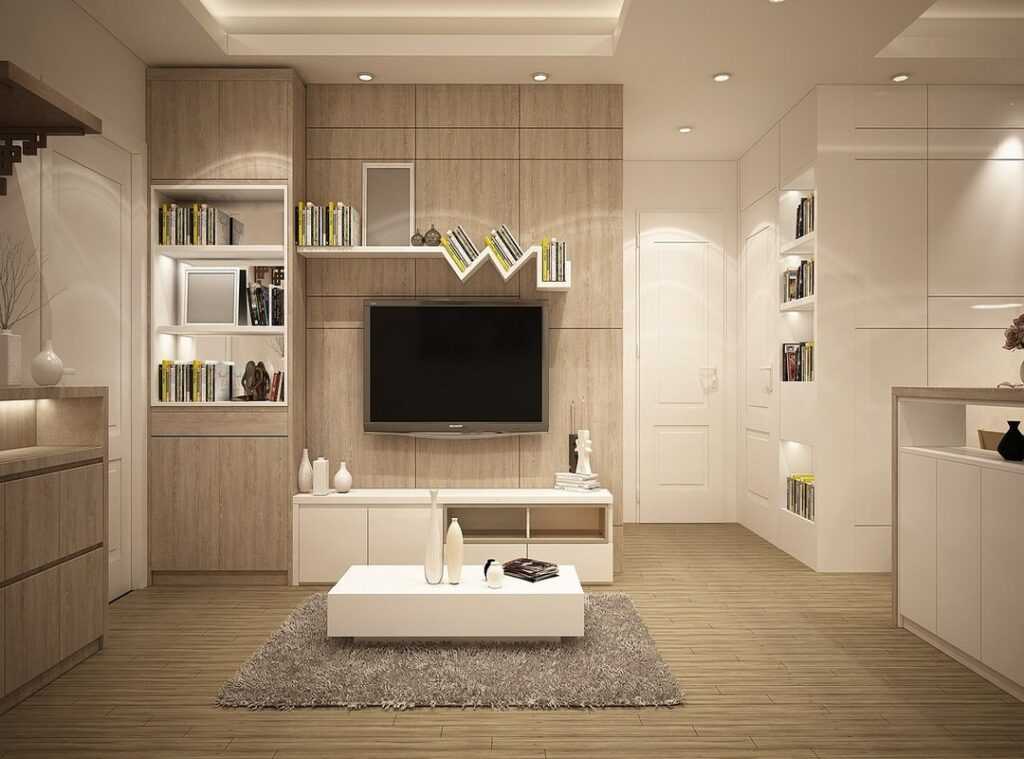
Are you tired of clutter taking over your space? I get it. minimalist interior design comes in. It’s not just a trend; it’s a lifestyle choice.
I’ve spent years exploring how less truly becomes more. Stripping away what’s unnecessary can transform your living space into a peaceful haven.
Ever walked into a room and felt instantly calm? That’s the magic of minimalism. But it’s not just about tossing out half your stuff.
It’s about creating a space that reflects who you are without all the noise.
You might be wondering if this is for you. Well, does the idea of organized simplicity connect? If so, you’re in the right place.
Throughout this article, I’ll dive into minimalist concepts and practical tips. I want you to see how this design style can improve not just your home, but your life. Trust me, it’s worth it.
We’ve consulted top designers to make sure you get the best takeaways.
Why ‘Simple’ is the New Smart in Home Design
I used to think more was better. More decor, more color, more everything. But then I realized, all that “more” was actually just noise.
Visual noise, to be exact. Minimalist interior design isn’t about stripping your personality away (far from it). It’s about creating space for peace.
When you walk into a room that’s clean and uncluttered, you can breathe. You feel calm. That’s no accident.
It’s a conscious choice.
Less stuff means less stress. Simple as that. And it’s practical too.
Fewer things to dust, fewer things to break. You save money by buying better things, not just more things.
Sure, trends come and go, but simplicity? It’s timeless. It doesn’t demand constant updates.
Your home becomes a sanctuary, a refuge from the chaos outside. Why wouldn’t you want that?
And let’s not forget the psychological angle. Colors and layout impact mood more than we think. Ever heard of Color Psychology Interior Design?
It’s fascinating how colors in a minimalist space can influence how you feel.
So next time you’re tempted to add that extra trinket? Remember, simple is smart.
The Core of Simple Interior Design: Three Rules
Minimalist interior design isn’t about stripping things bare. It’s about focusing on what really matters in your space. Let’s start with the first rule: Embrace ‘Negative Space’.
You know, the empty space around objects. It’s like giving your furniture room to breathe. Imagine pulling that sofa a few inches away from the wall.
Feels different, right? That’s negative space in action. It stops your room from looking cramped and lets each piece shine.
Next up, Rule 2: Curate Your Color Palette. Keep it to three or four shades. Trust me, it works wonders.
Start with a neutral base, maybe a warm white or soft gray. Then, add a secondary color. I like sage green.
Finally, throw in a little contrast, like a touch of black. Voila, you’ve got harmony. Too many colors can feel chaotic, so stick with this trio (or quartet).
Finally, Rule 3: Prioritize Texture Over Pattern. This one’s a game-changer. Patterns can be overwhelming, but textures add depth without cluttering your space.
Think about mixing a chunky knit throw with a smooth ceramic vase. Got linen curtains? Perfect.
A worn leather chair? Even better. It’s the textures that make a room feel lived-in and real.
For more on how to refine your space with minimalist interior design, there’s a world of inspiration out there. Don’t get lost in the noise of trends. Instead, focus on these three rules to keep your design simple and effective.
Your Simple Decor Starter Kit: 5 High-Impact Essentials
Decorating can feel overwhelming, right? But it doesn’t have to be. Here’s your simple shopping list to get started with minimalist interior design.
First up, a multi-functional tray. This little hero keeps your surfaces tidy. Place it on your coffee table or nightstand.
Suddenly, clutter looks intentional. Pro tip: use it to group candles or remote controls.
Next, get yourself one great lamp. Layered lighting isn’t just for design magazines. It’s about atmosphere.
Choose a lamp with a sculptural shape. It’s both light and art. Trust me, it makes a difference.
Now, let’s talk artwork. Skip the gallery wall chaos. Choose one large, meaningful piece.
It should speak to you. Maybe it reminds you of that trip to Italy or a favorite book. Whatever it is, make sure it fits your vibe.
Quality textiles are up next. A high-quality throw blanket or linen cushions can transform a space. They add warmth and texture.
Plus, a pop of color never hurt anyone. These are the touches that make a room feel cozy.
Finally, add a touch of greenery. A single, easy-care plant like a snake plant or ZZ plant can do wonders. It’s an organic element that breathes life into a room.
Speaking of plants, have you noticed the rise of biophilic design in interiors? It’s all about bringing the outside in.
So there you have it. Five essentials to kickstart your decor journey. Simple, impactful, and totally doable.
Simple Decor in Action: Quick Wins for Any Room
Okay, let’s talk minimalist interior design and make it practical. You want your living room to scream sophistication? Focus on the ‘One Focal Point’ rule.
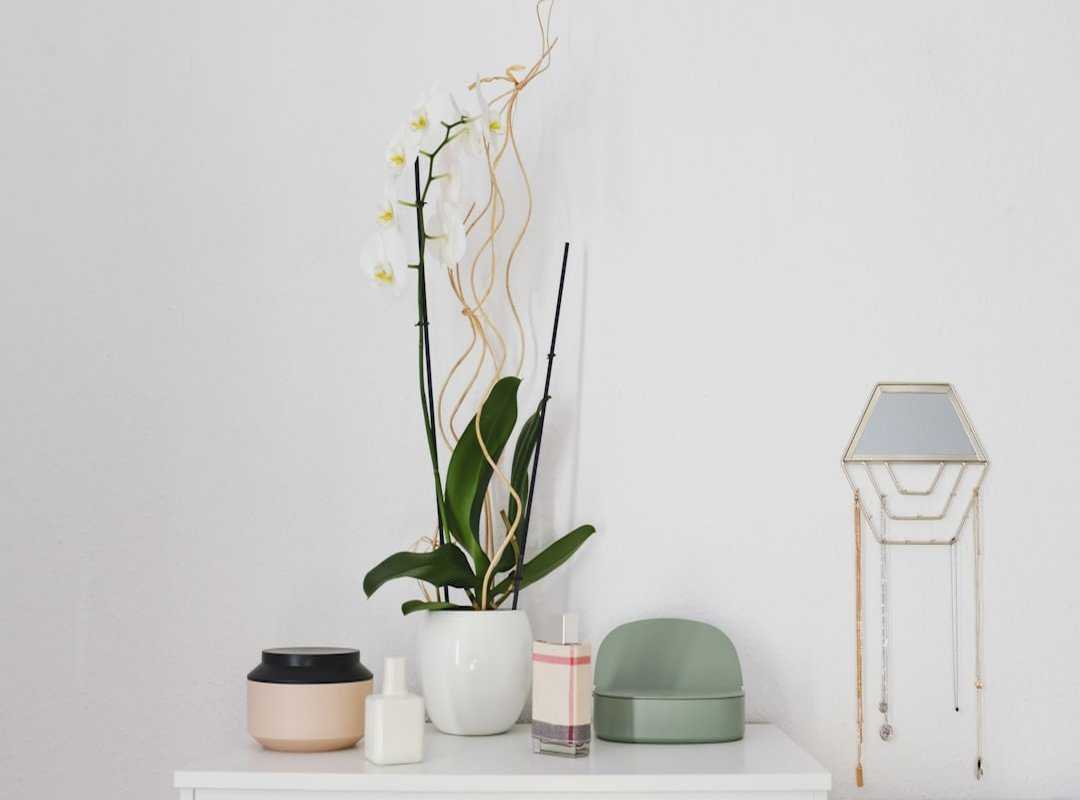
Pick a spot. That dreamy fireplace, a stunning window, or even a killer piece of art (and) arrange your furniture around it. Trust me, it brings order and balance.
Plus, who doesn’t love a room that feels intentional instead of just thrown together?
Moving on to the bedroom. Everyone wants that hotel bed vibe. It’s all about the ‘Hotel Bed’ trick.
Now your kitchen. This might be the hardest one but give the ‘Clear Counter’ challenge a shot. Hide those small appliances (blender, toaster.
Get simple, high-quality bedding and layer those pillows like they’re going out of style. Walk into your room and feel that instant calm and luxury. It’s like coming home to a suite every single night.
You know the culprits) and keep utensils out of sight. It’s magical how much space opens up. Suddenly, your kitchen’s not just functional but inviting.
Cooking without stress? Yes, please.
Finally, the entryway. It’s your home’s first impression, right? So, let’s not have it look like a tornado hit.
Try the ‘Drop Zone’ solution. Use a simple console table or wall-mounted shelf for keys, mail, and bags. It’s your one-stop spot to keep clutter from sneaking into every corner of your home.
Remember, a little effort goes a long way. You might just fall in love with your home all over again.
Simplicity: The Common Mistakes
Ever think minimalist interior design means cold and clinical? I did too. But simple doesn’t mean sterile.
Warm textures and personal items make a space inviting. Then there’s the trap of forgetting function. A simple home isn’t just pretty; it needs to be livable.
My tip? Start with one corner of one room. Change it, live with it, then expand.
Every item should have a purpose or bring joy. And who hasn’t faced analysis paralysis? The fear of making the wrong choice can freeze you.
You’ll be surprised how quickly simplicity starts to feel like home.
Create Your Peaceful Space Now
Feeling overwhelmed by clutter? I get it. Simple choices in minimalist interior design can transform chaos into calm.
It’s not about following rigid rules but about prioritizing your own well-being. Want to see change? Pick one tip from this guide.
Clear your kitchen counter or buy a beautiful plant. Do it this week. Trust me, a tiny step can make a big difference.
Ready to embrace peace in your home? Take action and start today.
 Founder & Creative Director
Fendric Thorvale has opinions about unique finds. Informed ones, backed by real experience — but opinions nonetheless, and they doesn't try to disguise them as neutral observation. They thinks a lot of what gets written about Unique Finds, Lifestyle Decor Inspirations, KD-Inspired Architectural Layouts is either too cautious to be useful or too confident to be credible, and they's work tends to sit deliberately in the space between those two failure modes.
Reading Fendric's pieces, you get the sense of someone who has thought about this stuff seriously and arrived at actual conclusions — not just collected a range of perspectives and declined to pick one. That can be uncomfortable when they lands on something you disagree with. It's also why the writing is worth engaging with. Fendric isn't interested in telling people what they want to hear. They is interested in telling them what they actually thinks, with enough reasoning behind it that you can push back if you want to. That kind of intellectual honesty is rarer than it should be.
What Fendric is best at is the moment when a familiar topic reveals something unexpected — when the conventional wisdom turns out to be slightly off, or when a small shift in framing changes everything. They finds those moments consistently, which is why they's work tends to generate real discussion rather than just passive agreement.
Founder & Creative Director
Fendric Thorvale has opinions about unique finds. Informed ones, backed by real experience — but opinions nonetheless, and they doesn't try to disguise them as neutral observation. They thinks a lot of what gets written about Unique Finds, Lifestyle Decor Inspirations, KD-Inspired Architectural Layouts is either too cautious to be useful or too confident to be credible, and they's work tends to sit deliberately in the space between those two failure modes.
Reading Fendric's pieces, you get the sense of someone who has thought about this stuff seriously and arrived at actual conclusions — not just collected a range of perspectives and declined to pick one. That can be uncomfortable when they lands on something you disagree with. It's also why the writing is worth engaging with. Fendric isn't interested in telling people what they want to hear. They is interested in telling them what they actually thinks, with enough reasoning behind it that you can push back if you want to. That kind of intellectual honesty is rarer than it should be.
What Fendric is best at is the moment when a familiar topic reveals something unexpected — when the conventional wisdom turns out to be slightly off, or when a small shift in framing changes everything. They finds those moments consistently, which is why they's work tends to generate real discussion rather than just passive agreement.