Ever feel like your home is just four walls, sterile and disconnected from nature? You’re not alone. Many of us crave a space that rejuvenates, not one that feels like a lifeless box.
The problem? Making it happen without creating a jungle theme park. I’ve spent years creating spaces that are beautiful but also boost well-being.
It’s all about biophilic design interiors. That’s the key to solving this disconnect. And it’s not some passing trend (trust me).
This article promises a simple, practical guide to bring nature’s harmony indoors. No fluff, just real tips you can use. Ready to transform your home into a calming oasis? and breathe new life into your living space.
Beyond Just Plants: What Does ‘Nature-Inspired’ Really Mean?
You ever walk into a room and just feel calm? That’s the magic of nature-inspired design. It’s not about sticking a potted plant in the corner and calling it a day.
No way. It’s about capturing the essence of nature itself (its) patterns, its flow, its calmness. Think of it as biophilic design interiors.
Now, don’t mix this up with rustic or boho styles. Those are more about aesthetics. Nature-inspired is all about authenticity and creating a true sensory experience.
Yeah, I know, “biophilia” sounds fancy, but it’s really just our innate need to connect with nature. It’s like craving the sun after a week of rain.
It’s where you walk in and breathe a little deeper without thinking about it.
So, what are the core goals here? Simple: reduce stress, improve air quality, and build a tangible connection to the natural world. Imagine a room that just feels alive, like a fresh breeze on a summer day.
Need more ideas? Check out Mixing Vintage Modern Decor Elements. It fits beautifully with creating that nature-inspired vibe.
Want your home to be more than just a space? Start thinking about how you can bring the outside in.
Design Naturally: Elements in Your Home
When it comes to biophilic design interiors, simplicity rules. Let’s break it down with four elemental concepts. Earth, Air, Water, and Fire.
It’s straightforward, right?
Start with Earth. It’s all about grounding and texture. I can’t emphasize enough how materials like wood and stone bring stability to a space.
Not just any wood, though. Think varied grains and finishes. Imagine a polished walnut table next to a weathered oak shelf.
Or a wool throw casually tossed on a linen sofa. These layers make your space feel alive. Do you feel that warmth?
That’s Earth.
Now, Air. Light and space. We crave it.
Who doesn’t want a room that feels open and airy? Maximize natural light. Use sheer curtains and strategically placed mirrors.
They bounce light around and open up rooms. Declutter. Seriously.
Negative space is underrated. It mimics the vastness of an open space. Ever walked into a room and just breathed easier?
That’s the magic of Air.
Water is next, and it’s about fluidity and reflection. Subtle is key here. Think fluid shapes in furniture and reflective surfaces like glass.
But don’t overdo it. A few polished metal accents can go a long way. Soft blues and greens work wonders too.
They remind us of calm water. Ever notice how a room with these colors just feels…tranquil?
Fire? It’s the passion and energy. A touch of bold color or a crackling fireplace can transform a room.
It’s about balance. Too much and it’s overwhelming. Just enough and it’s invigorating.
Want more ideas? Check out 230 biophilic design ideas. There’s inspiration for every corner of your home.
Incorporate these elements thoughtfully and watch your space transform. It’s not just design; it’s a lifestyle.
Natural Harmony at Home: Room-by-Room
Want to turn your home into a calm oasis? Let’s dive into biophilic design interiors and how they can transform your space. We’ll start with the living room, the heart of any home.
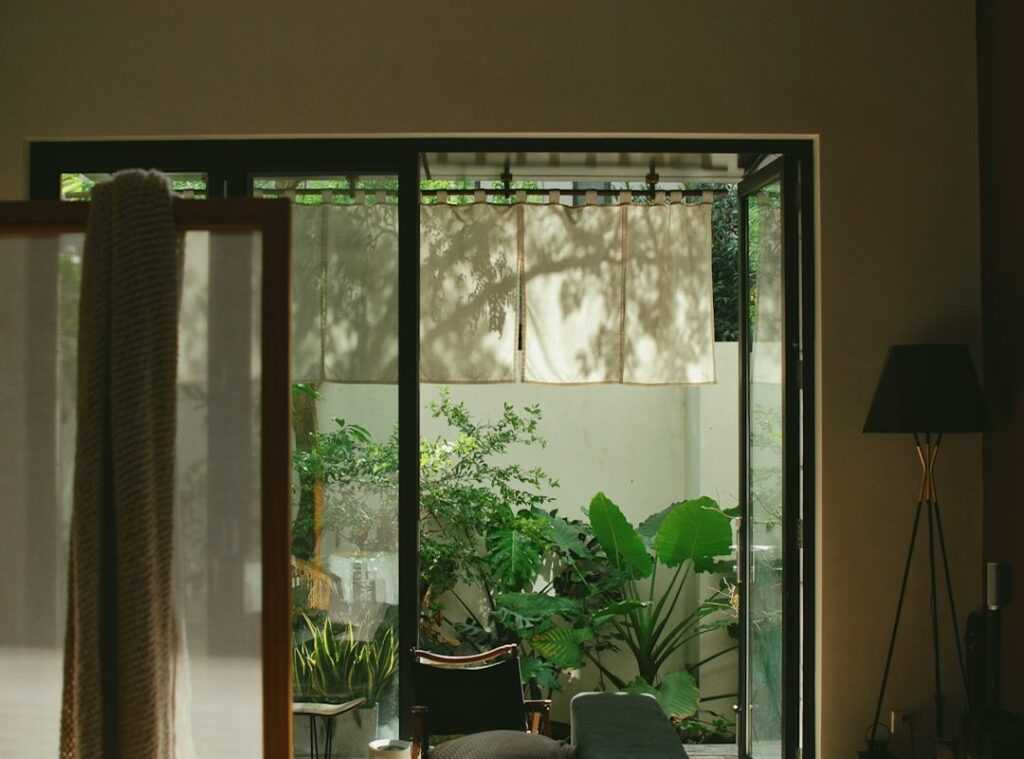
Arrange furniture to face a window (nature’s TV), allowing light to flood in. A natural fiber rug is a must to anchor your space and bring warmth. Mix in plants at different heights.
Why stop at one? Think of them as your leafy roommates, each adding its own vibe.
Moving to the bedroom, it’s your sanctuary. Use natural materials like cotton or linen for bedding. Earthy colors work wonders here, wrapping you in comfort.
Lighting matters too. Aim for warmth with layered lighting to mimic the gentle rise and fall of the sun. You deserve a space that says, “Time to relax.”
The kitchen and bathroom aren’t just functional rooms. They deserve love too. Natural materials like slate, wood, and bamboo lend durability and style.
Add a windowsill herb garden in the kitchen. Imagine cooking with fresh basil at your fingertips. In the bathroom, think like a spa.
Humidity-loving plants (ferns maybe?) can transform it into your private escape.
Ever thought about the impact of colors? They do more than just look pretty. Try exploring this guide to learn more about how color influences mood.
Pro tip: don’t overthink it. Start small. Focus on one room at a time.
You’ll find yourself naturally drawn to these elements as you go. It’s not just about aesthetics. It’s about creating an environment where you can breathe easier (literally and figuratively).
Embrace the process. Create harmony in your space and watch how it impacts your well-being.
Avoiding Decor Disasters: Common Mistakes and Fixes
Ever walked into a room that screamed “jungle” because of all the leaf prints? That’s mistake number one: going overboard. You don’t want your space to look like a theme park.
Instead, focus on subtlety. Use organic shapes and authentic materials to give a nod to nature without shouting it. Think of biophilic design interiors as a gentle embrace of nature, not a stranglehold.
Then there’s the mistake of ignoring scent and sound. Nature isn’t just a visual experience, right? So why should your decor be?
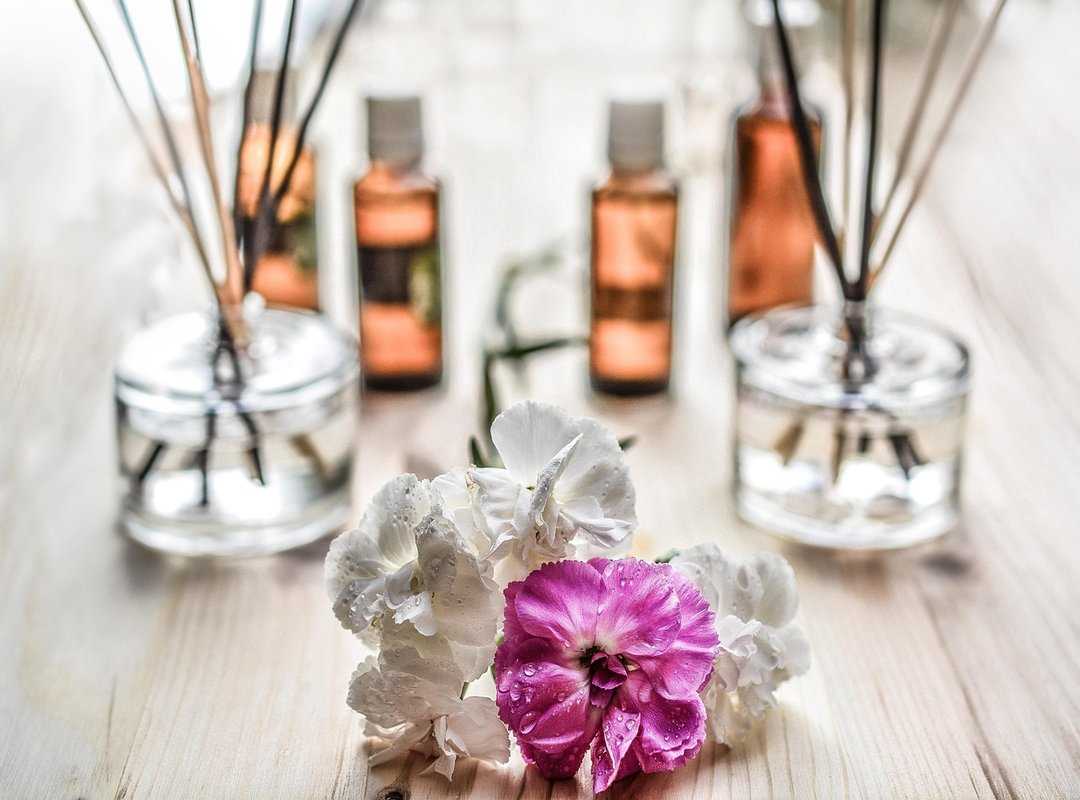
Try important oil diffusers with pine or sandalwood to mimic a forest’s aroma. Or use a small tabletop fountain for some calming background noise. It’s like bringing the outdoors in, minus the mosquitoes.
And let’s not forget texture. A room with only smooth wood and plain cotton falls flat. You need layers.
Mix rough stone, smooth wood, nubby textiles, and glossy leaves. It’s like a symphony for your senses, and everything should play a part.
Pro tip: don’t be afraid to swap things out. If it doesn’t feel right, it probably isn’t. Trust your gut.
Your home should be a sanctuary, not a showroom.
Embrace Nature Inside Your Home
Feels like your home is more plastic than personal? I get it. Living surrounded by bland, disconnected decor can be draining.
But you don’t need to overhaul everything to feel at peace. You’ve got a simple toolkit now. Just one step at a time.
Remember, biophilic design interiors are all about creating a soothing environment by blending nature with your space.
How about starting with something small? Rearrange a room to capture better light or introduce a new texture. It’s not about the cost or effort, but the transformation.
This week, pick one tip from the article and try it out. Just one. You’ll see the difference.
Ready to start your home’s natural transformation? Dive in. See what a little nature can do.
 Founder & Creative Director
Fendric Thorvale has opinions about unique finds. Informed ones, backed by real experience — but opinions nonetheless, and they doesn't try to disguise them as neutral observation. They thinks a lot of what gets written about Unique Finds, Lifestyle Decor Inspirations, KD-Inspired Architectural Layouts is either too cautious to be useful or too confident to be credible, and they's work tends to sit deliberately in the space between those two failure modes.
Reading Fendric's pieces, you get the sense of someone who has thought about this stuff seriously and arrived at actual conclusions — not just collected a range of perspectives and declined to pick one. That can be uncomfortable when they lands on something you disagree with. It's also why the writing is worth engaging with. Fendric isn't interested in telling people what they want to hear. They is interested in telling them what they actually thinks, with enough reasoning behind it that you can push back if you want to. That kind of intellectual honesty is rarer than it should be.
What Fendric is best at is the moment when a familiar topic reveals something unexpected — when the conventional wisdom turns out to be slightly off, or when a small shift in framing changes everything. They finds those moments consistently, which is why they's work tends to generate real discussion rather than just passive agreement.
Founder & Creative Director
Fendric Thorvale has opinions about unique finds. Informed ones, backed by real experience — but opinions nonetheless, and they doesn't try to disguise them as neutral observation. They thinks a lot of what gets written about Unique Finds, Lifestyle Decor Inspirations, KD-Inspired Architectural Layouts is either too cautious to be useful or too confident to be credible, and they's work tends to sit deliberately in the space between those two failure modes.
Reading Fendric's pieces, you get the sense of someone who has thought about this stuff seriously and arrived at actual conclusions — not just collected a range of perspectives and declined to pick one. That can be uncomfortable when they lands on something you disagree with. It's also why the writing is worth engaging with. Fendric isn't interested in telling people what they want to hear. They is interested in telling them what they actually thinks, with enough reasoning behind it that you can push back if you want to. That kind of intellectual honesty is rarer than it should be.
What Fendric is best at is the moment when a familiar topic reveals something unexpected — when the conventional wisdom turns out to be slightly off, or when a small shift in framing changes everything. They finds those moments consistently, which is why they's work tends to generate real discussion rather than just passive agreement.